



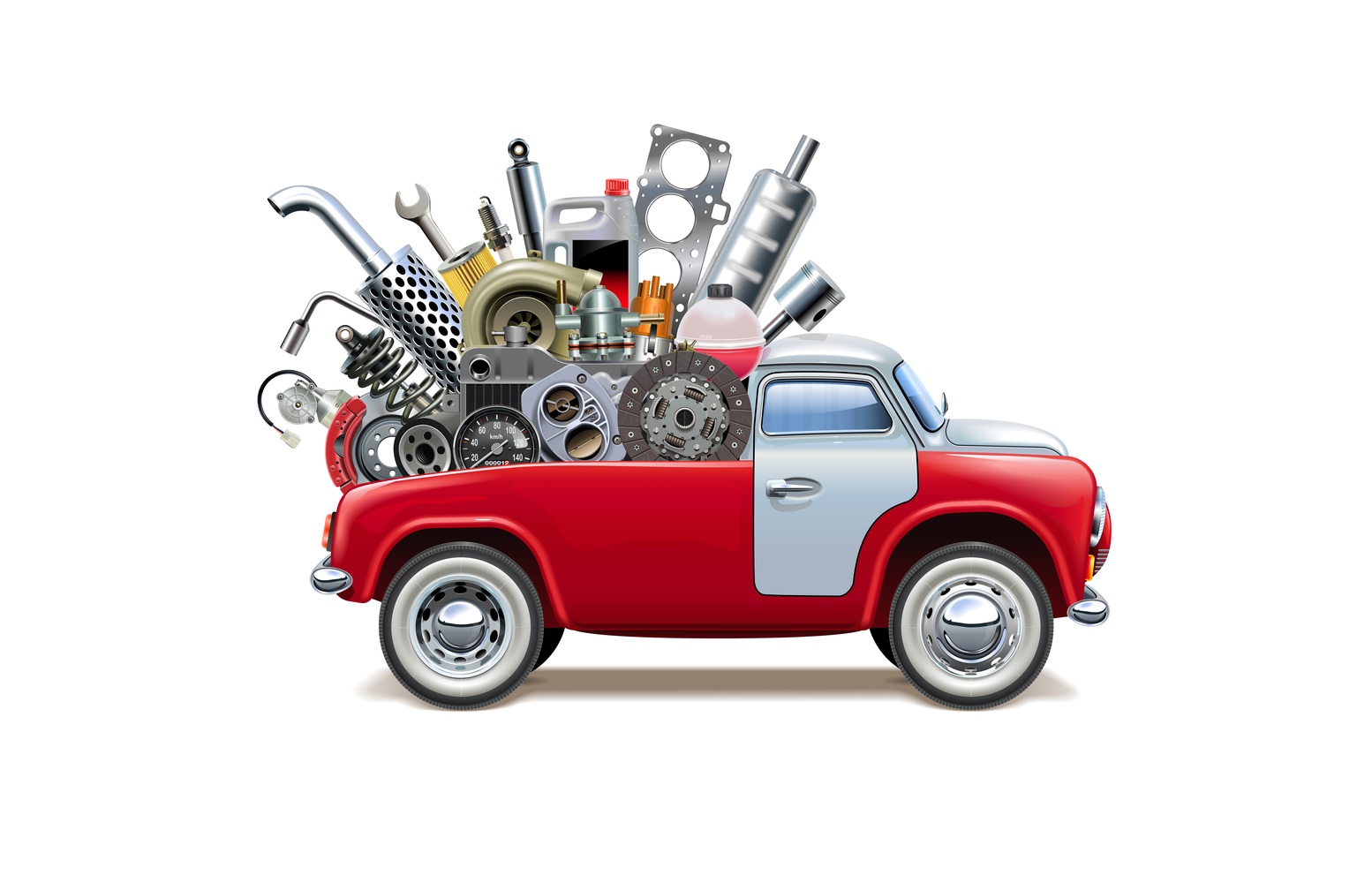
A historic shift is underway in how light‑vehicle parts reach U.S. repair bays and consumers, with Lang Marketing projecting more than a $30 billion swing in product sales among the five major aftermarket distribution channels through to 2028.
“The sales volume and share of products flowing through each of the five major light vehicle distribution channels are shifting dramatically,” Lang said in its analysis.
The change is being driven by three linked forces: The sharp pandemic‑era crash in 2020 volume, the unprecedented rebound that began in 2021, and the surge of e-commerce.
Lang Marketing reported that more than $42 billion in additional car and light truck products at user‑price will move through the U.S. distribution system from 2020 to 2028. That growth, combined with rapid online purchasing, will reallocate sales across channels rather than lift all boats equally.
Integrated distribution is set to lead the decade. In this model, product ownership or franchise affiliation does not change hands from manufacturer to installer or do‑it‑yourself buyer. Lang projected that integrated channel volume will jump by nearly $20 billion at user‑price from 2020 to 2028, almost triple its annual growth pace from 2015 to 2020. With aftermarket e-commerce sales more than doubling in the same period, online growth is a key engine for the Integrated channel.
The traditional channel, which includes traditional warehouses and jobbers, is expected to add more than $6 billion in product sales at user‑price between 2020 and 2028. That would reverse the decline recorded from 2015 to 2020 after the historic 2020 plunge. Even so, its 2028 product share is set to fall compared with 2020 as sales migrate to other routes.
Import distribution is also on the rise. Lang forecasted the import channel will rank fourth in absolute dollar growth but first in the annual pace of expansion. Sales are expected to increase by more than one-third between 2020 and 2028, lifting the channel’s product share by the largest percentage of any major route.
Specialized distribution is likely to struggle by comparison. After recovering some volume in 2022, the channel’s sales have largely plateaued since 2019. Lang said it expects only a modest increase in sales from 2020 to 2028 and a significant loss of share.
Overall, the four Independent, non‑OE channels will generate about 80 per cent of total car and light truck product growth between 2020 and 2028. Despite that, their combined share of sales in 2028 is expected to be lower than in 2020.
The OE channel, which moves products from vehicle manufacturers and their suppliers to dealers, is projected to rank second in absolute product gains and to increase its share of light‑vehicle product sales over the eight years.
Lang tied the surge and the share shuffle to structural shifts in the U.S. market. These include changes in the mix of nameplates on the road, an aging vehicle fleet, movement between do‑it‑for‑me and do‑it‑yourself purchasing, changes in the number and sales of major repair and parts outlets and more intense competition among the five channels. E-commerce is a leading force across the board, with the integrated channel benefiting most from the growth of online sales.
Lang expects significant changes in product volume and market share across the channels to continue through the end of the decade as the aftermarket adapts to new buying patterns and supply strategies.
Image credit: Depositphotos.com



Leave a Reply