
Record fuel consumption points to strong aftermarket demand
Share

View the latest digital editions of all of our publications or head straight to the archives

Share
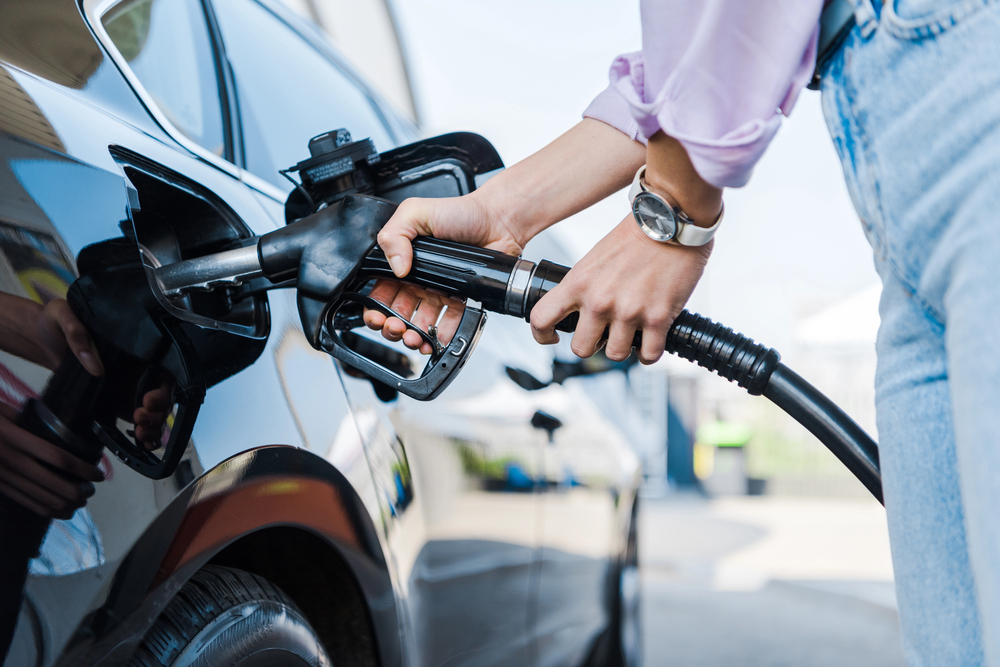
Gasoline consumption in Canada reached a record high in the first quarter of 2026, highlighting the continued strength of the country’s internal combustion vehicle fleet and providing a positive signal for automotive aftermarket activity. And it’s all happening as EV presence grows.
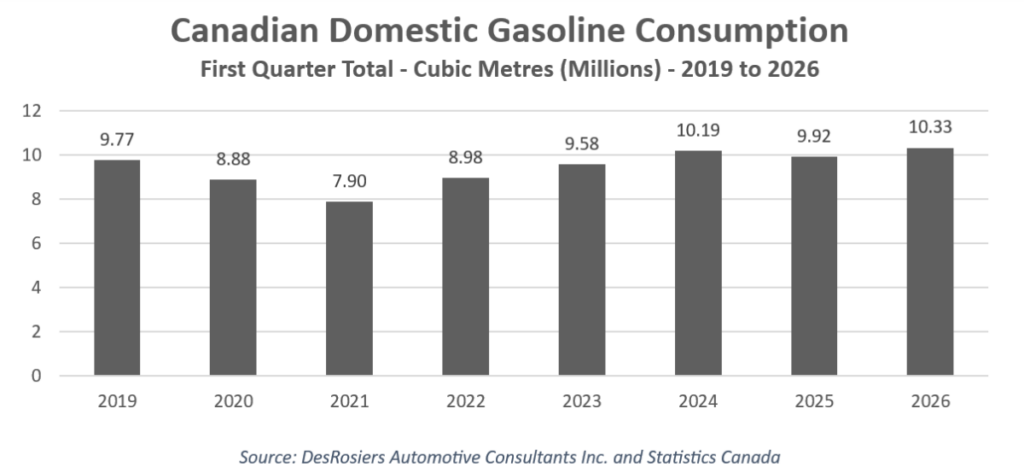
DesRosiers Automotive Consultants reported that domestic gasoline consumption reached 10.33 million cubic metres in the first quarter, up 4.2 per cent from the same period in 2025 and the highest quarterly level on record.
The increase comes despite several long-term pressures that would typically be expected to reduce fuel consumption, including the gradual growth of zero-emission vehicles in the Canadian vehicle parc, ongoing improvements in fuel economy and shifts in vehicle purchasing patterns.
Because fuel consumption is closely tied to vehicle usage, the data is viewed as an important indicator for the aftermarket. Higher gasoline consumption generally reflects increased driving activity, which translates into greater demand for maintenance, repairs and replacement parts.
“Gasoline consumption is one of the many variables DAC tracks when analyzing the aftermarket in Canada,” said Andrew King, managing partner at DAC. “At the start of the year, gasoline consumption was high and the demand base for the automotive aftermarket remained strong.”
Beyond providing insight into kilometres driven, gasoline data also offers a window into broader vehicle trends, including demand for premium versus regular fuel and the growing number of vehicles capable of using higher-ethanol fuel blends.
For aftermarket businesses, however, the most significant takeaway is the continued strength of the ICE vehicle fleet. Despite growing EV adoption, fuel consumption data suggests conventional vehicles remain heavily used across Canada and continue to generate substantial service and repair demand.
DAC cautioned that the strong first-quarter results may not continue throughout the year. Gasoline prices surged in March following the conflict between the United States and Iran, raising questions about whether higher fuel costs could reduce driving activity in the second quarter.
The firm said it will continue monitoring fuel consumption trends to determine whether elevated prices begin to affect vehicle usage and, by extension, aftermarket demand.
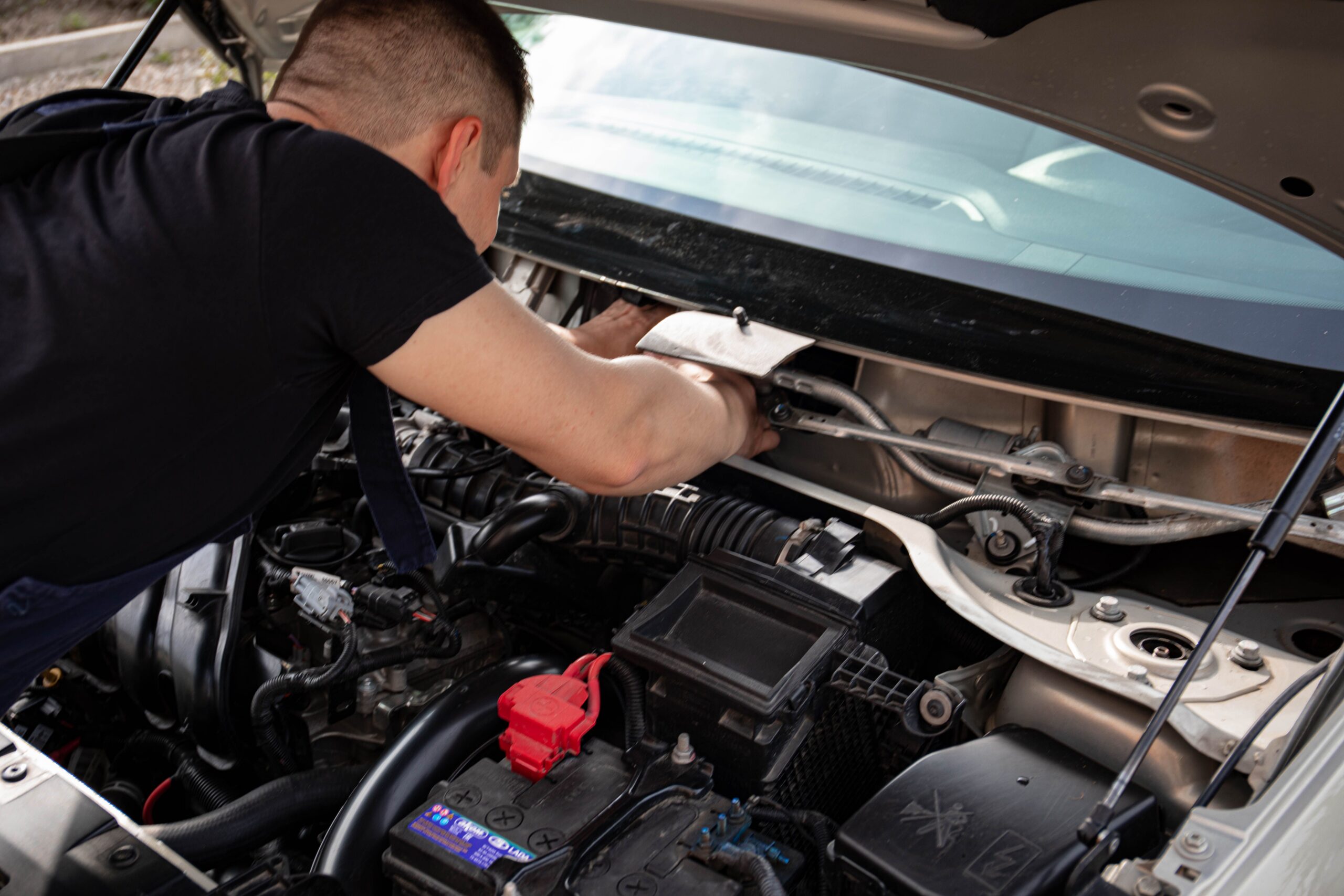
Image credit: Depositphotos.com





Leave a Reply