How major events add stress, fuel waste and delays for drivers
Share

View the latest digital editions of all of our publications or head straight to the archives

Share
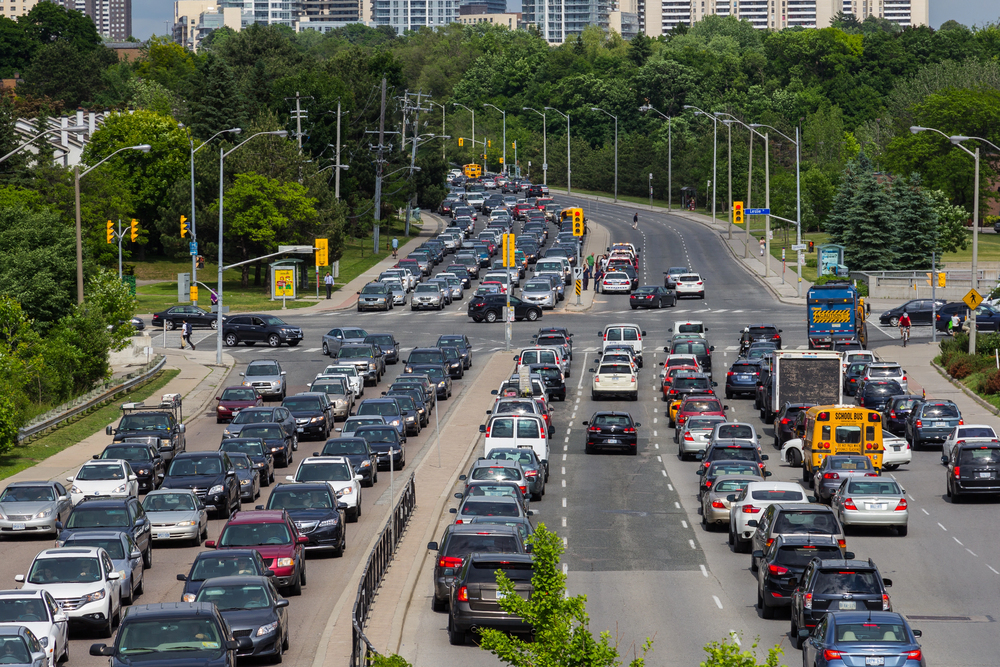
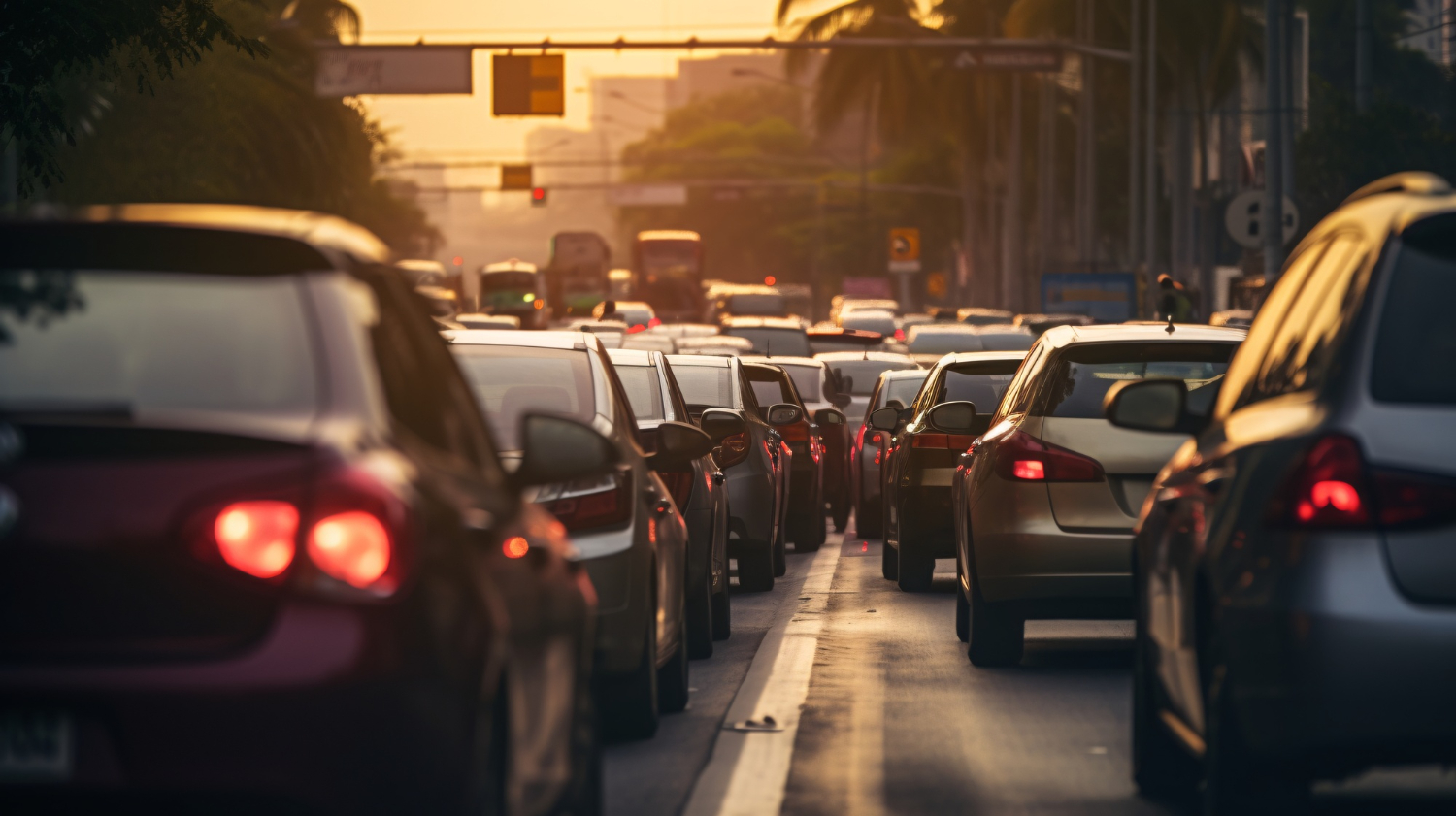
Major events such as international soccer tournaments, concerts and festivals are creating added pressure for drivers already navigating difficult road conditions across North America, according to a new report.
Telematics company Geotab surveyed 3,000 drivers across Canada, the U.S. and Mexico and found that major events significantly increase travel times, congestion and stress levels for commuters, commercial drivers and fleets.
Drivers in affected U.S. cities reported that major events add an average of 27 minutes to a typical work shift. In Canada, the increase rises to 29 minutes, while Mexican drivers reported an average delay of 41 minutes.
The findings come alongside Geotab’s latest Host City Rankings, which used connected vehicle data to assess road network readiness based on congestion, idling, safety and resilience during major events. Among the venues studied, Gillette Stadium near Boston ranked highest, while Toronto’s BMO Field ranked lowest.
According to the survey, event‑related traffic leads to longer routes, missed appointments, increased idling and greater exposure to aggressive driving behaviour. Nearly four in five U.S. drivers said driving during a major event is more stressful than normal. In Canada, 76 per cent reported increased stress, while the figure climbed to 89 per cent in Mexico.
Fuel waste emerged as another key concern. Almost two‑thirds of U.S. drivers said they worry about wasted fuel caused by delays and idling during large events. Similar concern was reported by 67 per cent of Canadian drivers and 83 per cent of Mexican drivers.
Safety concerns also rose sharply around major gatherings. More than three‑quarters of U.S. respondents said large‑scale events increase road safety risks. In Canada, 69 per cent shared that concern, rising to 84 per cent in Mexico.
“Drivers already do a stressful job and major events like the World Cup add another layer of pressure,” said Mike Branch, vice‑president of data and analytics at Geotab. “They change delivery routes, extend work shifts, increase idling and add pressure for drivers who still need to move goods, provide services and keep local businesses running.”
Drivers across all three countries identified better traffic management as the most important improvement needed to make major events easier and safer to navigate. Respondents also called for clearer signage, stronger pre‑event communication and improved crowd control measures.
Geotab said its connected‑vehicle data can help municipalities and fleets better understand where congestion and disruptions are most likely to occur and plan accordingly.
“Survey data tells us drivers already feel the impact of major events,” Branch said. “Connected vehicle data helps cities and businesses see where that impact is likely to be most severe, how far disruption spreads, and where planning can make the biggest difference.”
Image credit: Depositphotos.com

Leave a Reply