

How the generations are redefining the repair experience
Share

View the latest digital editions of all of our publications or head straight to the archives

Share
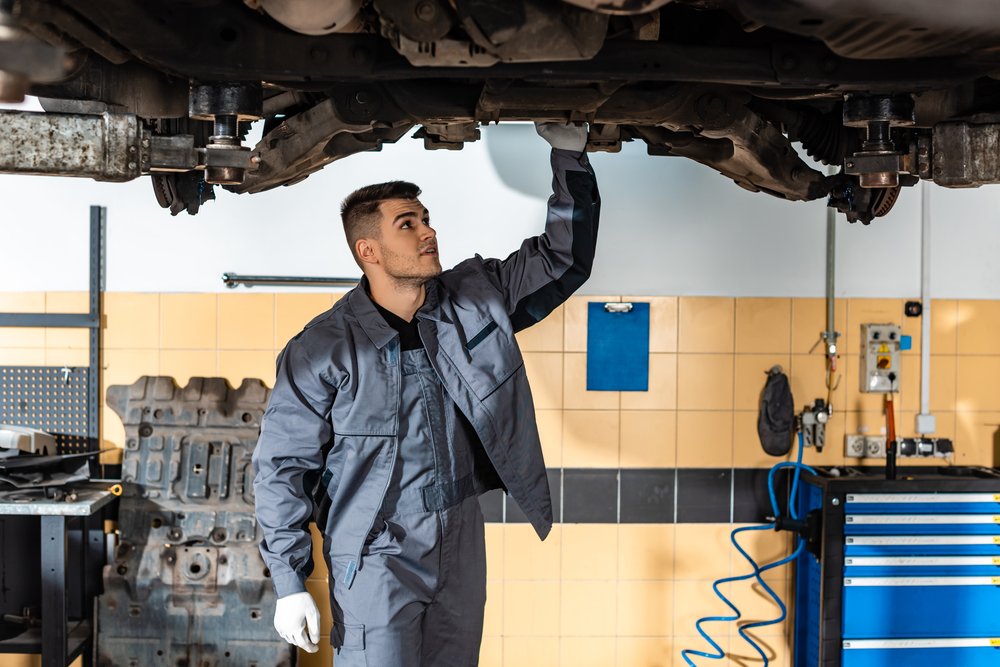
Younger consumers are reshaping how they approach auto repair, with Generation X, Millennials and Generation Z now driving most do‑it‑for‑me repair demand, according to new research.
Lang Marketing noted that the three youngest adult generations will account for nearly 75 per cent of the DIFM auto repair market in 2026, a shift that is changing how shops market services and interact with customers. Baby Boomers, once the largest DIFM segment, are expected to continue losing share through the end of the decade.
Lang’s ongoing consumer studies show that Gen X, born between 1965 and 1980, remains the largest DIFM cohort today. Millennials, born from 1981 to 1996, posted the biggest growth in share over the past decade and ranked second in 2025. Generation Z, born from 1997 to 2012, is the fastest‑growing group, accounting for about seven per cent of DIFM sales in 2025, nearly triple its share ten years earlier.
By 2030, Lang projects Gen X will represent about 36 to 38 per cent of DIFM sales, Millennials will hold the second‑largest share and Gen Z will approach a double‑digit share. Baby Boomers and older consumers are expected to fall below 20 per cent.
The generational shift is most visible in how consumers prefer to purchase repair services. About one‑third of consumers overall prefer to buy auto repair online, but preferences vary sharply by age. Roughly half of Millennials prefer online purchasing, and more than 60 per cent of Gen Z favour digital channels first. In contrast, fewer than one‑third of Gen X consumers and about one‑fifth of Baby Boomers prefer buying repairs online.
Calling repair outlets remains popular with Gen X. More than 37 per cent list phone calls as their top choice, making it the leading option for that group and the second choice for Baby Boomers. Only about one‑quarter of Millennials prefer calling, and Gen Z shows even less interest in phone‑based transactions.
In‑person visits are still the top choice for nearly half of Baby Boomers, but that preference drops to about one‑third for Gen X, one‑quarter for Millennials and less than one‑fifth for Gen Z.
The findings point to a growing need for repair businesses to strengthen digital capabilities as Millennials and Gen Z increase their share of the market, Lang noted. The popularity of online purchasing is expanding opportunities for e-commerce and online‑to‑offline repair transactions, while video is emerging as an important communication tool, particularly for younger buyers.
The firm observed that buying behaviour also varies by factors such as gender, vehicle age and whether a vehicle is domestic or foreign, underscoring the need for targeted marketing approaches. As the DIFM customer base continues to skew younger, Lang noted that shops able to combine digital engagement with clear value and trust will be best positioned to capture growth.
Image credit: Depositphotos.com




Leave a Reply