



With spring weather here, experts are warning that vehicles may still be carrying damage from winter conditions, creating safety risks if basic maintenance checks are overlooked.
Saul Turner, a driving expert with National Scrap Car, said the transition from winter brings what he calls a “spring lag,” where motorists adjust to lighter and warmer conditions while vehicles are still recovering from months of cold, salt, grit and moisture. Simple, low‑cost checks can help prevent reduced visibility, breakdowns or more serious failures, he said.
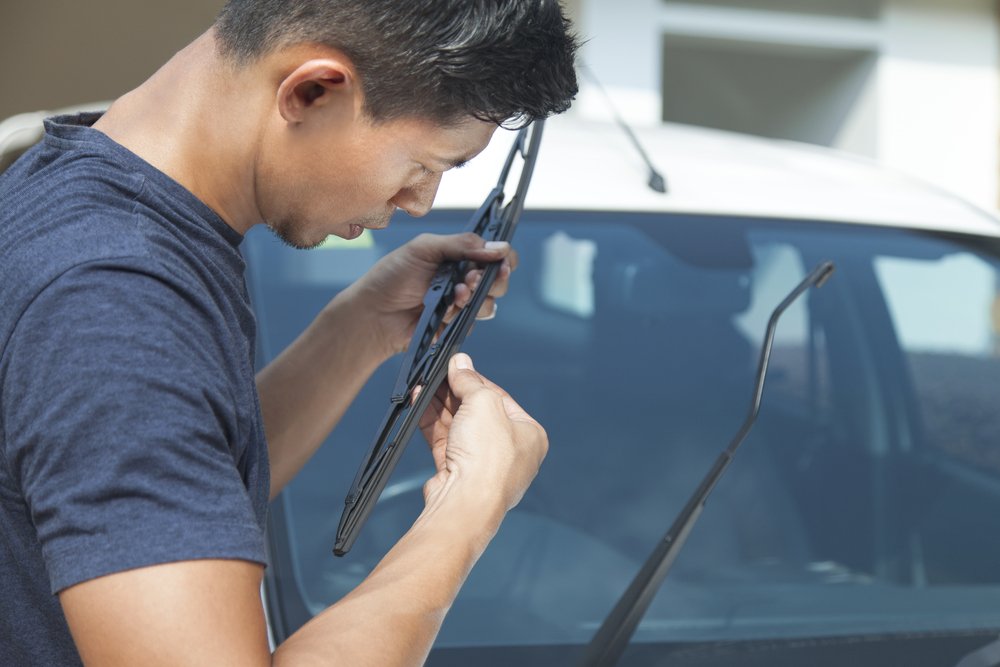
Turner said wiper blades and washer fluid are an early priority. Winter frost, rain and road grit can leave blades streaky and ineffective, reducing visibility during spring rain. He also noted that pollen and dust increase in spring, making washer fluid essential to keep windscreens clear as hay fever season begins and windshields could see added buildup.
Underbody inspection is another concern after winter driving. Turner said road salt and moisture can accelerate corrosion on brakes, suspension and exhaust components. Left unchecked, corrosion can lead to sudden inspection failures or, in extreme cases, structural issues while driving. He advised washing away trapped salt and grit and checking weakened areas for flaking or crumbling metal.
Cabin air, or pollen, filters should also be checked and replaced if clogged. Turner said these filters remove dust, pollen and pollutants and are especially important for drivers who suffer from allergies. Reduced airflow or debris‑filled filters can trigger sneezing and concentration lapses, which he said pose a safety risk at highway speeds.
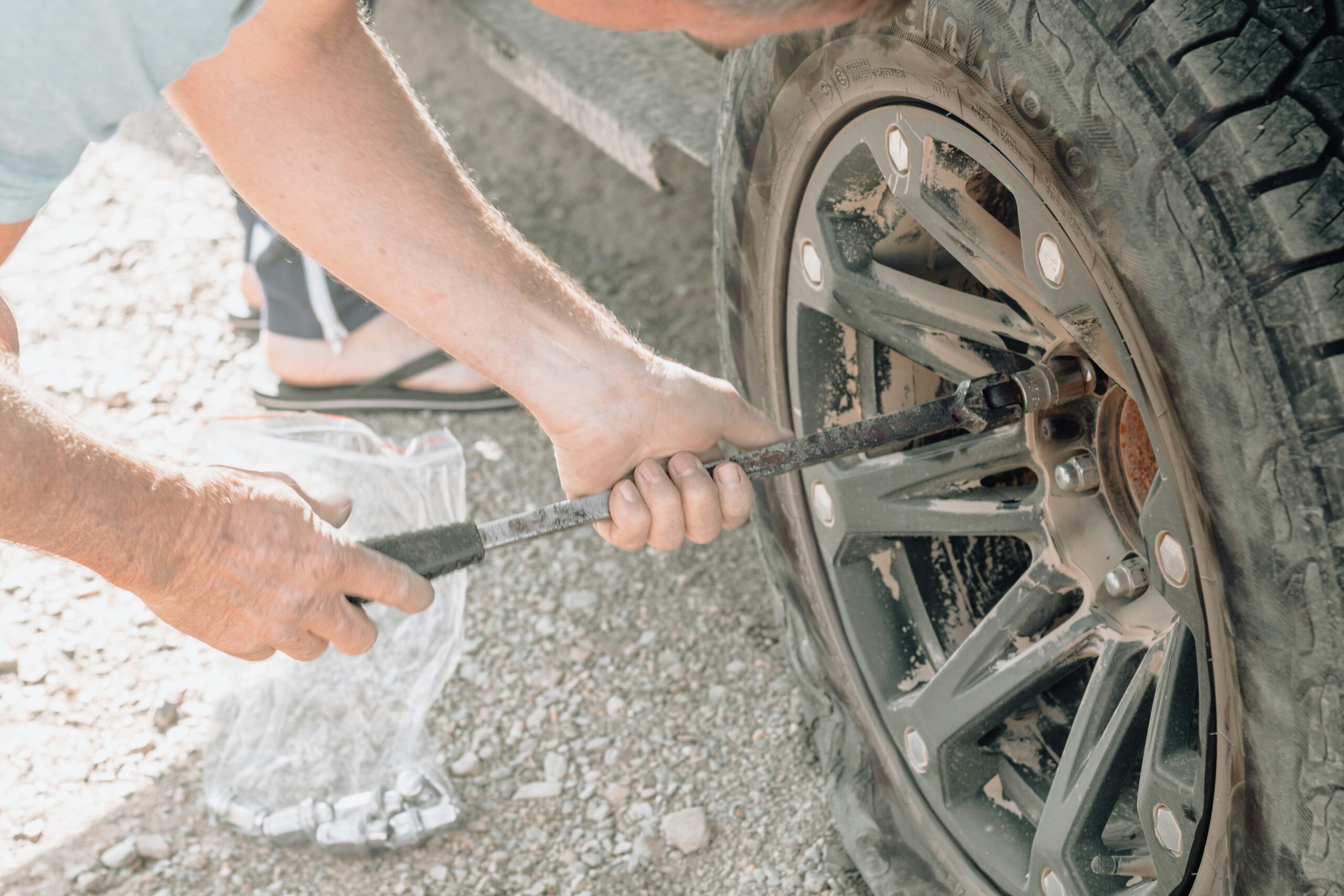
Tires require renewed attention as temperatures rise. Cold winter weather lowers tire pressure, and Turner said drivers should check inflation levels as spring arrives to ensure proper grip and braking performance. Underinflated tires can increase stopping distances and accelerate wear. He also reminded drivers to check tread depth, noting that while the legal minimum is 1.6 millimetres, replacement is recommended before tires reach that limit.
Fluid levels round out the checklist. Turner said winter conditions can reduce coolant effectiveness and increase oil consumption, making spring an important time to check levels, particularly before longer trips. Neglecting oil or coolant maintenance can lead to overheating, breakdowns or engine damage.
“While most drivers are aware of the ‘winter lag’ as we adjust to darker, colder driving conditions, we rarely talk about the ‘spring lag,’ yet it is just as critical,” Turner said. “Months of road salt and rain leave behind hidden structural fractures that aren’t always visible to the naked eye, which can quickly escalate into major failures if left unchecked. With the cost of living in mind, performing these simple checks now can help drivers avoid much larger repair bills and fines later.”
Image credit: Depositphotos.com





Leave a Reply