


Electric vehicles are changing the very nature of aftermarket automotive work, but for shops willing to adapt, the opportunities are growing, said an industry expert.
James Carter of Vision Mobility urged attendees of the 2025 Automotive Aftermarket Retailers of Ontario Symposium to start planning now to secure their future.
The key to the aftermarket’s future will be responding to the dramatic shift in maintenance and technology, he pointed out.
“The core of future EVs is software. You look at a Tesla, you’ll understand exactly what it means,” he said. “There is a complete change in the way systems are being built for cars and the way that OEMs were designing in the past.”
Nowadays, cars can talk to each other. Updates can be done over the air. And EVs have far fewer moving parts than traditional gas vehicles, shifting the service focus.
“There’s no doubt that EVs have much lower maintenance. Do they need some maintenance? Absolutely,” he pointed out, noting that aftermarket groups like AARO need to be getting messaging out there to educate the public about the need for continued maintenance of EVs.
Take brake service. “You need to make sure that they’re lubricated and everything’s working properly,” Carter noted, adding that this is Canada and salt still has an impact on electric vehicles.
“And I don’t think consumers are thinking about things like brakes,” Carter said.
Battery triage is another growing opportunity and learning how to reuse, recycle and repair them.
He urged attendees to get started.
Access to data around the makeup of EV ownership can be tricky. But like a Porsche, Mercedes, German or Japanese vehicle owner, an EV owner is likely willing to travel to ensure their vehicle is seen by a specialist and not a general repair shop.
“People could be just driving straight past your shop simply because they’re saying, ‘This guy isn’t a specialist, but he over here is.’”
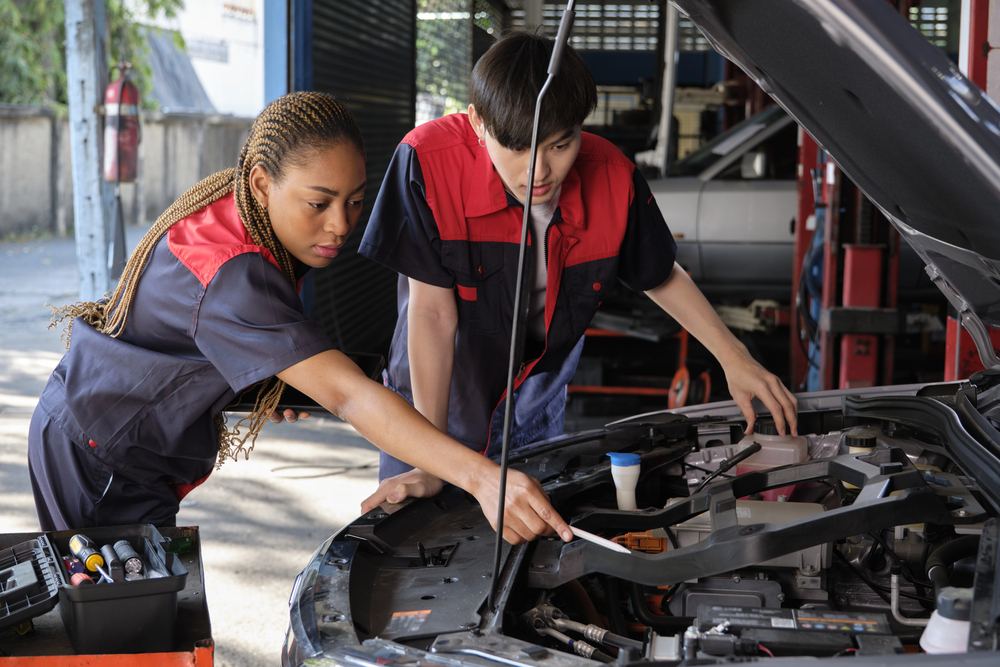
Image credit: Depositphotos.com

Leave a Reply