
What’s behind vehicle price stabilization
Share

View the latest digital editions of all of our publications or head straight to the archives

Share

Canada’s automotive market remained more resilient than expected through the first half of 2026, with vehicle prices continuing to normalize, inventory levels improving and consumer demand holding up despite ongoing affordability pressures and economic uncertainty.
According to AutoTrader’s latest Price Index report, used-vehicle sales declined 2.5 per cent in the second quarter and were down one per cent year to date, while new-vehicle sales fell 1.3 per cent in the quarter and 2.6 per cent year to date. Both the new and used markets posted gains in June, suggesting demand remains relatively stable.
Affordability was a key theme throughout the report. While higher borrowing costs and cost-of-living pressures continue to affect buyers, the market is showing signs of settling into a more balanced environment. EV demand has also strengthened, supported by renewed federal incentives, charging infrastructure investments and higher gasoline prices.
Nationally, the average new-vehicle listing price was $63,016, down 2.2 per cent from a year earlier. The average used-vehicle price fell 2.6 per cent to $36,690.
AutoTrader noted that while used-vehicle prices continue to trend downward overall, used EV prices moved in the opposite direction as demand for affordable electric vehicles increased and inventory remained tight.
Among body styles, pickup trucks continued to command the highest prices in both the new and used markets.
Average prices by body type were:
Used truck prices remain significantly higher than those of any other vehicle category, reflecting continued demand for pickups across Canada.
British Columbia remained the most expensive market for both new and used vehicles.
Average new-vehicle prices by region:
Average used-vehicle prices by region:
The Atlantic region continued to rank among the most affordable used-vehicle markets in the country, while B.C. remained the highest-priced.
The Honda Civic moved to the top spot among vehicles searched on AutoTrader during the second quarter, followed by several popular SUVs, trucks and performance vehicles.
The 10 most-searched vehicles were:
Inventory status
New-vehicle inventory improved across all major body styles during the quarter as production remained stable and sales softened slightly.
Year-over-year inventory growth included:
AutoTrader noted that inventory conditions vary significantly by manufacturer. While some brands continue to face tighter supply, others now have sufficient stock and are increasingly relying on incentives to stimulate demand.
Used-vehicle inventory also showed modest improvement, with days supply increasing to 44 days from 41 days a year earlier.
Inventory growth by segment included:
Despite the overall increase, supply of affordable used EVs remains limited. AutoTrader said stronger demand following higher fuel prices has kept pressure on EV inventory and helped support used-EV pricing.
The report noted that both new and used markets are moving toward greater stability. Prices remain elevated by historical standards, but increased inventory levels and more balanced supply-demand conditions suggest a gradual normalization rather than a significant market correction.
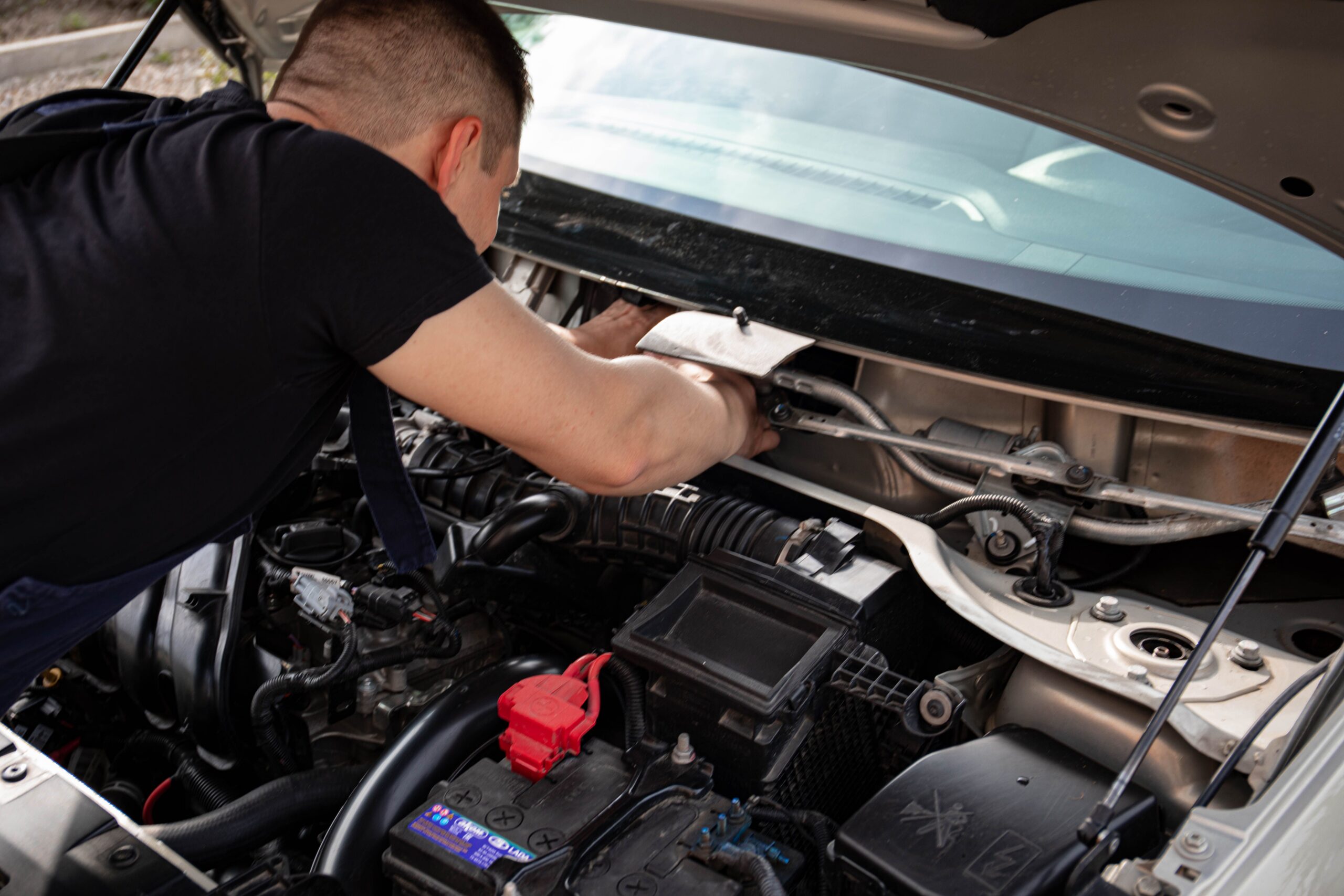
Image credit: Depositphotos.com




Leave a Reply