


Global automotive aftermarket projected to hit US$594.3 billion by 2033
Share

View the latest digital editions of all of our publications or head straight to the archives

Share
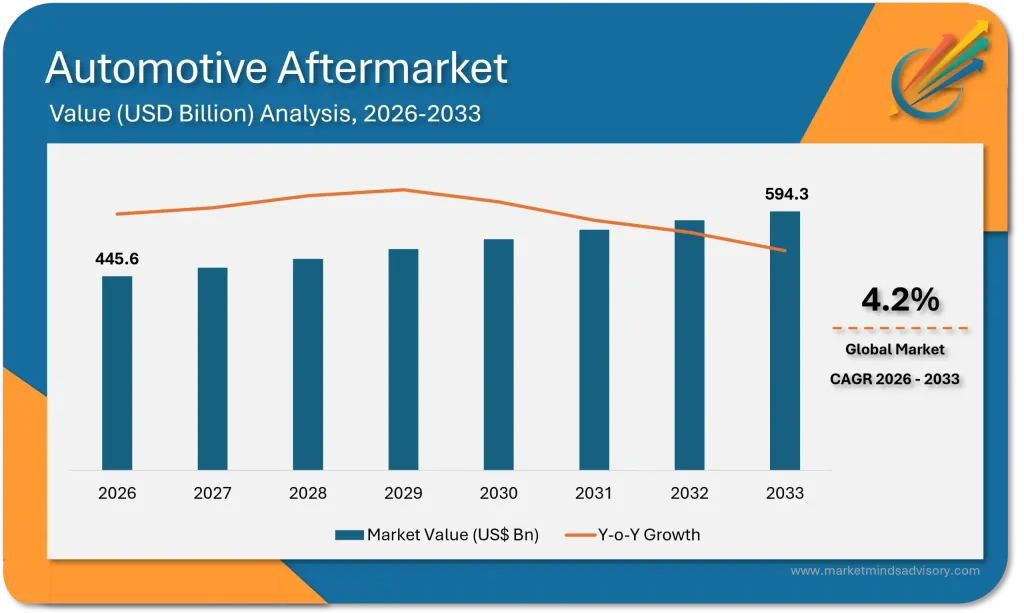
The global automotive aftermarket is expected to reach US$594.3 billion by 2033, according to Market Minds Advisory (MMA) Global Opportunity Analysis and Industry Forecast Report, 2026. The firm said the market is worth US$445.6 billion in 2026 and is growing at about 4.2 per cent a year.

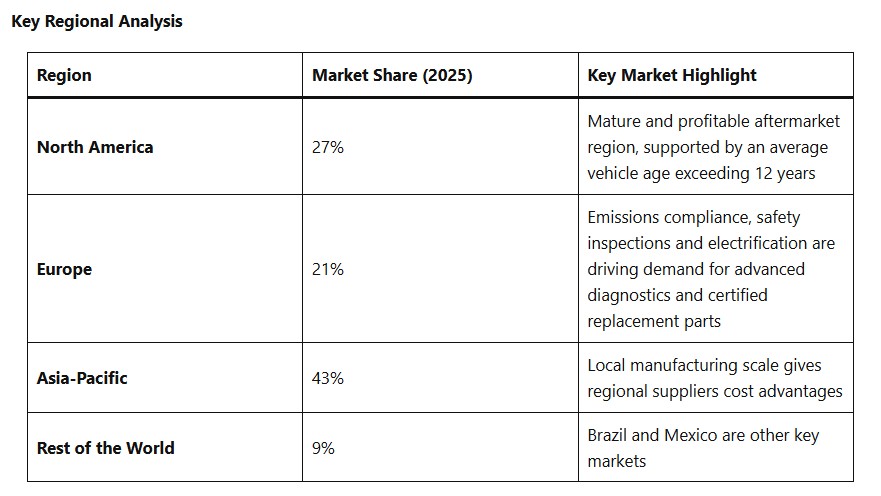
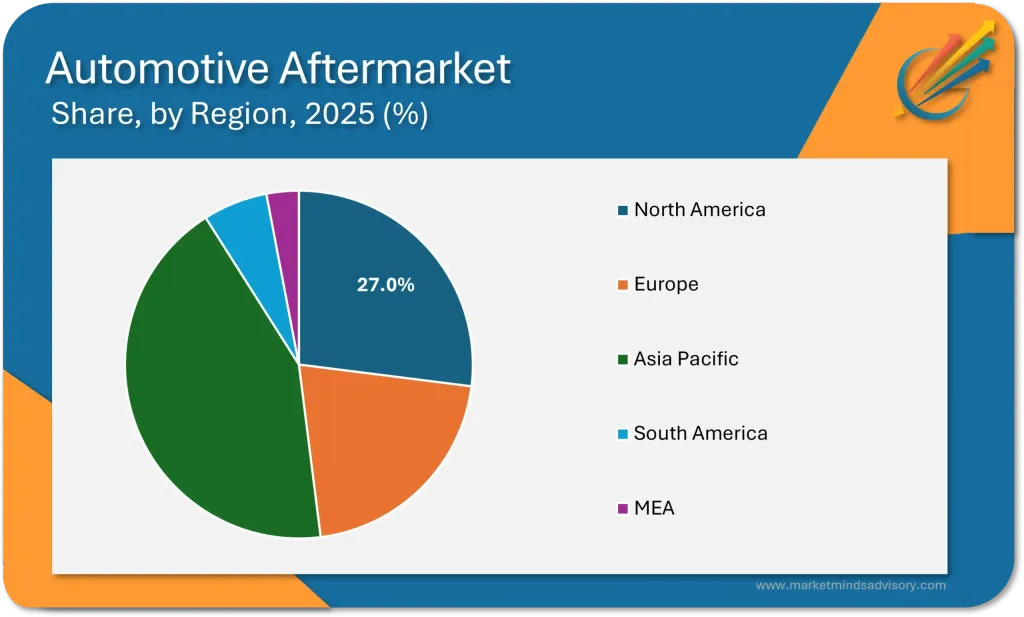
The report found the aftermarket is expanding because vehicles are getting older, people are driving more and many owners are choosing to repair their cars instead of replacing them. In North America, the average vehicle age is now more than 12 years, which keeps demand strong for basic parts such as brakes, filters and suspension components. Asia‑Pacific is the fastest‑growing region as more people buy cars and commercial fleets expand.

Electric vehicles are creating new service needs. MMA said EVs often wear out tires and suspension parts faster because they are heavier and have stronger torque. Shops are also seeing more work related to battery checks, cooling systems and high‑voltage components. EVs require regular software updates, which are becoming part of routine service.
Digital tools are changing how shops diagnose and schedule repairs. According to the report connected diagnostics, predictive maintenance and telematics are becoming more common. Online parts sales continue to grow as distributors and shops link their inventories to e‑commerce platforms.
MMA research suggests companies such as Bosch, Denso, Continental, LKQ, AutoZone and NAPA are investing in diagnostics, remanufacturing and EV‑ready parts to stay competitive. Right‑to‑repair rules in North America and Europe are giving independent shops better access to diagnostic data.
MMA said long‑term growth will depend on how well shops prepare for EV service and how quickly they adopt digital tools. The firm said operators that build EV repair capacity and use connected diagnostics will be in a strong position as the market changes.








Leave a Reply