
How much share the luxury vehicle market is losing
Share

View the latest digital editions of all of our publications or head straight to the archives

Share
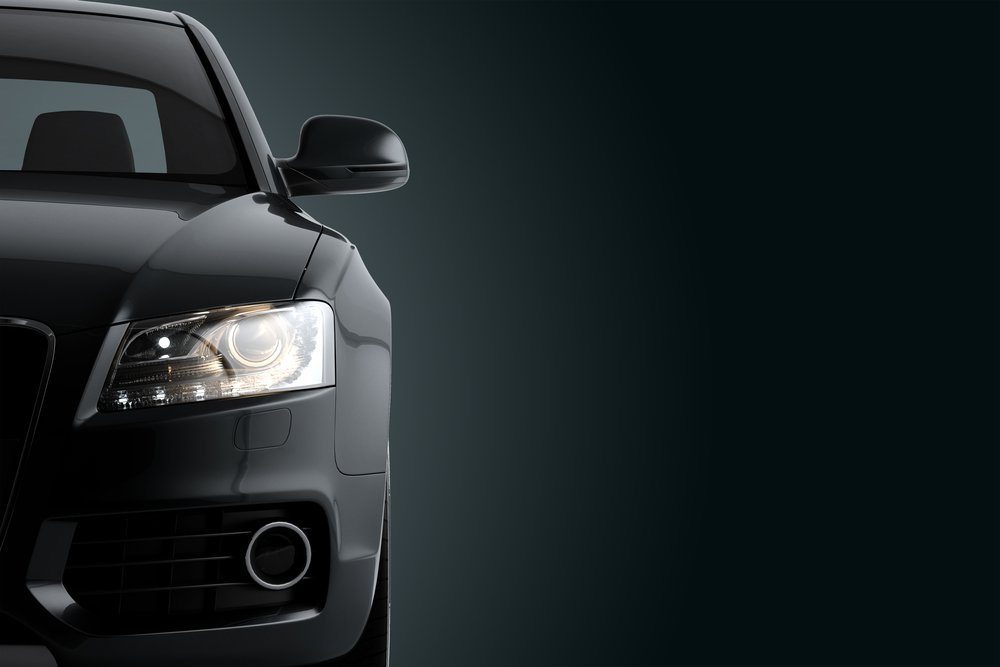
After more than two decades of steady growth, Canada’s luxury vehicle market is showing signs of retrenchment as economic pressures, policy changes and shifting consumer behaviour weigh on the segment, according to DesRosiers Automotive Consultants.
The group reported that luxury vehicles accounted for just 12.5 per cent of new light-vehicle sales in the first half of 2026, continuing a decline that began after the segment reached a peak market share of 15.6 per cent in 2023.
The drop has been significant. Luxury vehicles represented 14.4 per cent of the market in 2024 and 13.0 per cent in 2025, putting the segment back to levels last seen around 2018 and effectively erasing years of growth.
The reversal follows a long expansion that saw the luxury market grow from roughly six per cent of Canadian vehicle sales at the turn of the century. DesRosiers attributed that growth to factors including rising real-estate wealth among baby boomers and an increasingly broad selection of luxury products offered by manufacturers.
A range of factors are now putting pressure on the segment. DesRosiers pointed to vehicle and insurance inflation, Canada’s counter-tariffs on certain vehicles, changing zero-emission vehicle mandates, volatile Tesla sales, a softer housing market, slower population growth and broader economic uncertainty.
One issue drawing increasing attention is the federal luxury tax on vehicles priced above $100,000.
Introduced in September 2022, the tax was implemented shortly before the luxury market reached its peak share. Since then, luxury vehicle sales have steadily lost ground relative to the overall market.
According to DAC, recent federal figures show the luxury tax has generated more than $900 million in revenue. However, while the federal government has announced plans to eliminate the luxury tax on private aircraft and yachts, the tax remains in place for passenger vehicles.
DesRosiers worked with the Canadian Automobile Dealers Association to survey new-vehicle retailers across the country. The results showed that 82.6 per cent of dealers believe the luxury tax has negatively affected luxury vehicle sales.
“Whether the luxury market has come to the end of its 25 years of ongoing growth remains to be seen,” said Andrew King, managing partner at DesRosiers. “However, what is clear is that the luxury tax — with its $100,000 threshold not even being inflation adjusted since 2022 — is an increasingly negative factor in the market.”
DesRosiers said it remains too early to determine whether the recent decline represents a temporary slowdown or a more permanent shift in consumer demand, but the segment is clearly facing stronger headwinds than it has in years.
Image credit: Depositphotos.com





Leave a Reply