

DIFM demand outpaces capacity as bay counts fall
Share

View the latest digital editions of all of our publications or head straight to the archives

Share
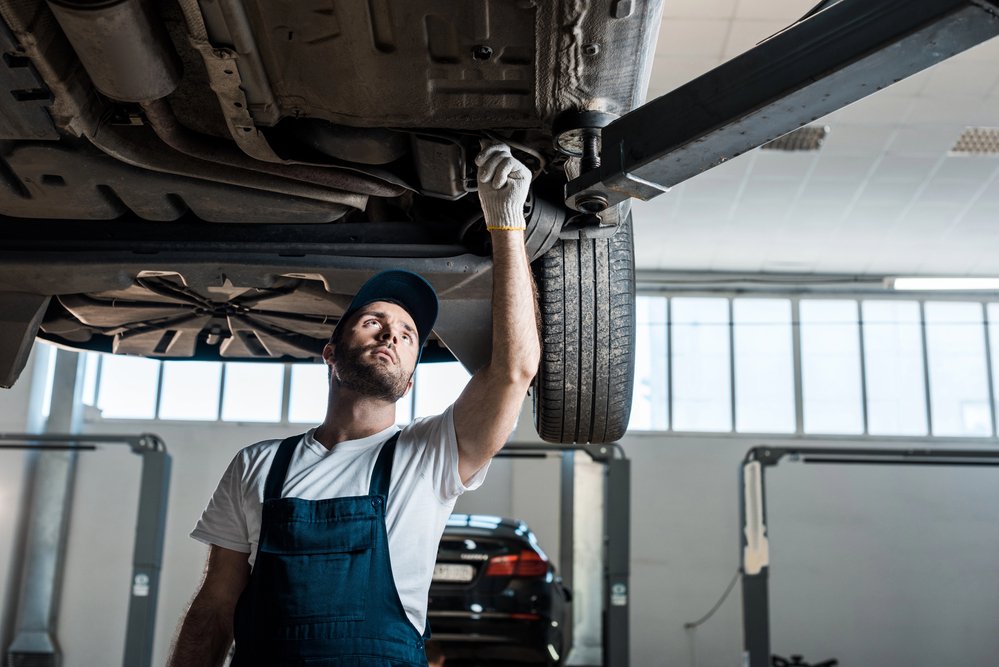
The do‑it‑for‑me auto repair market is growing, but the number of service bays is shrinking. This is forcing outlets to produce more work per bay, reshaping the competitive landscape, according to an analysis.
“The size of the do‑it‑for‑me (DIFM) market and the number of service bays across the country are moving in opposite directions,” Lang Marketing said. While DIFM product and labour volume has grown significantly over the past five years, “thousands of service bays disappeared” over the same period.
After the sharp COVID‑related downturn in 2020, DIFM products and purchased service rebounded strongly. However, the recovery did not translate into new bay capacity. Instead, service bay counts have fallen, even as the vehicles in operation grew and DIFM sales hit historic highs.
That imbalance is pushing productivity sharply higher. Lang reported that annual product and labour sales per service bay have surged, outpacing overall DIFM market growth.
“The average bay’s yearly repair volume has climbed much faster than total DIFM product and service sales,” the group said, calling it a “bay production challenge” that is changing which outlets survive and grow.
Not all repair outlets are benefiting equally. Lang found that foreign specialists recorded the highest percentage growth in annual sales per bay, followed by repair specialists and dealers. These groups are gaining outlet and bay share, while other segments, particularly traditional service stations and general garages, continue to lose bays.
Lang attributed the divergence to investment capability and focus. As repairs become more complex, shops must invest in technician training, tools, equipment and management software. Specialists, with narrower repair scopes, tend to get more return from those investments than generalists. Among the seven major repair outlet types, Lang identified repair specialists, import specialists and dealers as the most specialized and best positioned to raise bay productivity.
The squeeze on bay capacity is also driving opportunity for suppliers of productivity solutions. Lang says repair outlets must continue increasing output per bay to keep pace with rising DIFM demand, creating demand for better tools, software, training and workflow systems. The gradual growth of electric vehicles, while still modest, is expected to further increase the need for advanced equipment and technician skills.
Lang projected that these forces will continue to reshape the DIFM market through the end of the decade. Fewer bays, higher per‑bay output and widening performance gaps among outlet types are expected to drive ongoing shifts in market share and volume across the auto repair landscape.
Image credit: Depositphotos.com






Leave a Reply