

5 Common Vehicle Repairs You Can Do Yourself with Parts Found Locally
Share

View the latest digital editions of all of our publications or head straight to the archives

Share
Dealing with a dead battery, worn brakes, or a Check Engine Light is stressful and expensive. Luckily, many of these issues are simple to fix yourself. Just pick up your replacement parts from a trusted auto parts supplier Newmarket locals count on, and you can tackle the job in an afternoon.
Here are five easy DIY repairs to get you back on the road.
Before picking up a wrench, check where your replacement car parts are shipping from. That choice can make or break your repair timeline.
Shop at your local auto parts store to get help on the spot. If a component is defective or doesn’t fit, you don’t have to deal with shipping labels or long wait times. They simply swap it out right away, so you can finish your repair the same day.
Ordering online can mean days of waiting, which is a problem when a dead battery cannot wait for the mail. A local counter usually has the part in stock and ready before lunch.
Have a parts expert run a quick VIN verification while you wait. This simple step confirms exactly what fits your specific vehicle. You won’t have to worry about ordering the wrong part or losing your entire weekend to returns and delays.
These five jobs require basic tools, a free afternoon, and parts that are easy to find nearby.
Front brake pads wear out faster than rear pads on most vehicles, which makes this the most common DIY brake job. Choosing coated rotors helps fight the rust that road salt causes on Ontario streets every winter.
Tools needed:
• Floor jack and jack stands
• Lug wrench or breaker bar
• C-clamp or brake caliper tool
• Torque wrench
With the car raised and the wheel off, start by pushing the caliper piston back in to clear space. Next, remove the old pads and replace them with the new ones. You will then want to tighten the caliper bolts to the correct safety specs before finally lowering your car back to the ground.
Skip this job if the rotors are scored, warped, or thinner than the minimum thickness stamped on the rotor edge. A grinding noise or a soft pedal after the swap means it is time to call a professional garage.
This is the easiest entry point for first-time DIYers and usually takes about five minutes per filter.
Tools needed:
• Phillips or flathead screwdriver, depending on the model
• Owner’s manual to locate the filter housing
To change your air filter, simply open the air box, slide out the old filter, and drop the new one in facing the exact same way. Many of these cabin filters sit right behind your glove box and require absolutely no tools to replace.
Never force a brittle or cracked air filter housing closed. Replace it instead. Even a small crack lets dirty, unfiltered air bypass the new filter, completely defeating the purpose of replacing it.
Heavy commuters put thousands of extra miles on a serpentine belt every year. Replacing it early is easy preventative maintenance that stops the belt from snapping on the highway and leaving you stranded.
Tools needed:
• Serpentine belt tool or breaker bar
• Belt routing diagram, often printed on a sticker under the hood
Loosen the automatic tensioner pulley to slide the old belt off. Route the new belt exactly along the pulley diagram, then release the tensioner to lock it in place.
A belt that is tangled with a failed tensioner, idler pulley, or water pump pulley is a job for a shop. Forcing a belt onto a seized pulley can cause more expensive damage down the line.
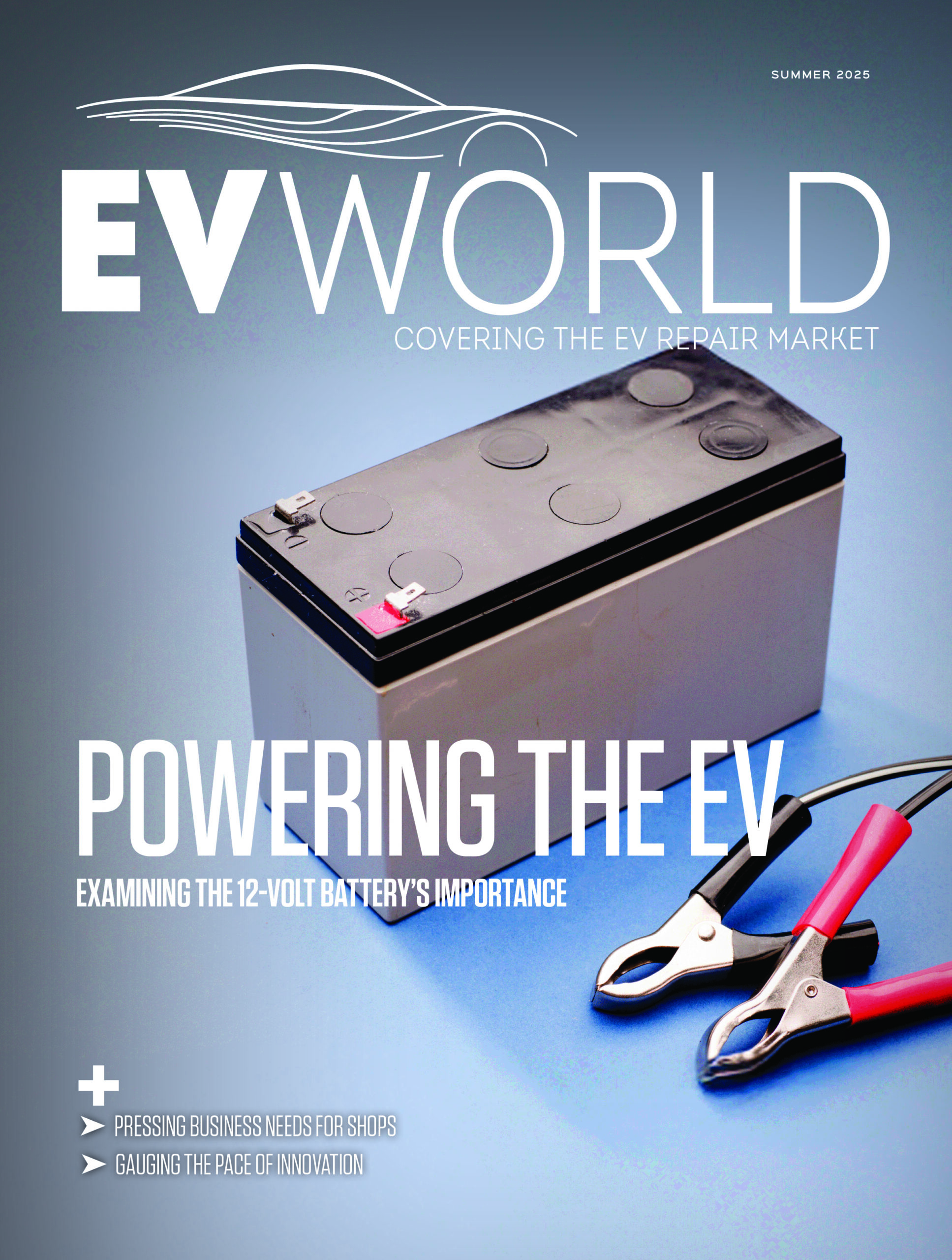
Cold Ontario winters are hard on car batteries, and a weak one often fails without warning.
Tools needed:
• Wrench set for the terminal bolts
• Wire brush or terminal cleaning tool
• Gloves and eye protection
Remove the negative cable first, then the positive, and lift out the old battery. Put the new one in, use a wire brush to clean the terminals, and reconnect the cables in reverse order to finish the job.
If your car requires electronic battery registration after a swap, or if the tray is rusted out, see a professional garage. A quick mechanic reset ensures your car’s computer recognizes the new battery safely.
A Check Engine Light tied to a misfire or an oxygen sensor code is one of the more satisfying DIY fixes because it usually resolves the light right away.
Tools needed:
• Spark plug socket and ratchet
• Torque wrench
• O2 sensor socket, if the sensor itself needs replacing
First, use a code reader to find out which cylinder or sensor is causing the issue. Then, replace only that specific part. Make sure to tighten the new plug or sensor to the correct safety settings before finishing the job.
Multiple misfire codes across different cylinders, or a check engine light that returns immediately after a reset, points to a deeper issue that needs a scan tool and a professional diagnosis.
None of these five jobs require a fully equipped shop, just the right tools and the right parts. Stopping by a trusted auto parts supplier Newmarket drivers already know for fitment verification removes most of the guesswork before the first bolt comes off.
Jiffy.parts, Newmarket Auto Parts Group, keeps the brake pads, filters, belts, batteries, and tune-up parts that these five repairs need in stock and ready to go.


Leave a Reply