


How Mahindra Tractors Support Multi-Season Farming in Haryana
Share

View the latest digital editions of all of our publications or head straight to the archives

Share
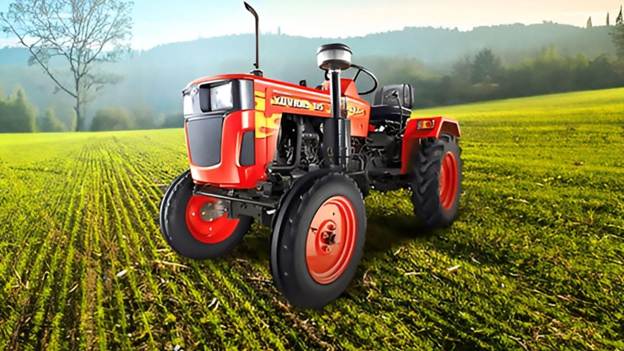
In Haryana, farming rarely slows down. Kharif brings paddy, cotton and bajra. Rabi follows quickly with wheat and mustard. Many farmers also grow fodder or vegetables before the monsoon returns. Each switch demands fast land preparation, steady haulage and reliable implement performance. That is why the tractor anchors the yearly plan. In this article, we will explore how Mahindra tractors support multi-season farming in Haryana, from field preparation to post-harvest work.
Multi-season farming here is built around tight windows:
A tractor that starts easily, pulls steadily and handles a range of implements regularly reduces delays when labour and custom hiring are both stretched.
Farmers usually choose capacity based on the heaviest tool they run, not only the main crop.
What matters is a steady pull at working speeds. When soils turn sticky after irrigation or showers, usable torque and traction keep work moving without excessive wheel slip.
The paddy to wheat shift is one of Haryana’s toughest tests. Even a short delay can push wheat sowing beyond the preferred period. Mahindra tractors support faster turnaround through three advantages.
Many farmers use a combination of stubble clearing, cultivation and rotavation. Stable working speeds and dependable hydraulic control keep depth uniform, improving the seedbed and reducing repeat passes.
Fields vary by residue load and moisture. When you can switch between discs, cultivators, rotavators and levellers without drama, you save time during the busiest fortnight.
After harvest, trolley movement increases sharply. When transport and tillage both compete for tractor hours, reliability keeps the schedule intact.
Multi-season farming succeeds when each crop begins well. A tractor that holds steady forward speed and supports accurate implement control improves seed placement and early crop stand. In Haryana, Mahindra tractors commonly operate with:
This is also where compatible farm equipments matter. When the tractor can run tools already used in your area, sharing or renting implements during peak weeks becomes easier.
A large share of tractor hours is devoted to crop care, not just land preparation. In rabi, frequent irrigation and nutrient application can be as time sensitive as sowing. Mahindra tractors support routine needs through:
These jobs may look smaller than harvesting, but missed timing can reduce quality, especially in cotton and vegetables.
Harvest brings new demands: transport, loading and residue handling. Many Haryana farms rely on combines, while the tractor manages the work around them.
Residue management after paddy is a big reason farmers value tractors that can adapt. Clear or manage the straw without losing wheat sowing time.
From May heat to winter fog, Haryana’s work conditions test both machine and operator. Farmers look for features that keep performance steady:
When you drive for hours, reduced fatigue can translate into more work completed before nightfall.
In multi-season farming, downtime is expensive because every missed day pushes the next operation. Mahindra’s service footprint in North India supports higher uptime during peak windows. What matters most is:
Buyers often compare models by upfront cost, but value is decided over the years of use. While comparing the Mahindra tractor price, focus on ownership value across seasons:
A right-sized tractor that stays busy across seasons can deliver a lower cost per productive hour than an oversized option that remains underused.
Map your crop plan and the jobs you must finish within fixed windows. Then shortlist the tractor and the farm equipments that will do most of your yearly work. Use this checklist:
Multi-season farming in Haryana is a race against time and weather, and a reliable tractor keeps the plan realistic. Mahindra tractors support this cycle through usable power, steady implement control and wide implement compatibility across field preparation, sowing, crop care, haulage and residue work. When you choose horsepower for your heaviest job and keep maintenance timely, you build a farming system that stays productive from monsoon preparation to wheat harvest and into the summer window.

Leave a Reply