


Why Your Car Still Looks Dirty After a Wash (And What Most Drivers Miss)
Share

View the latest digital editions of all of our publications or head straight to the archives

Share
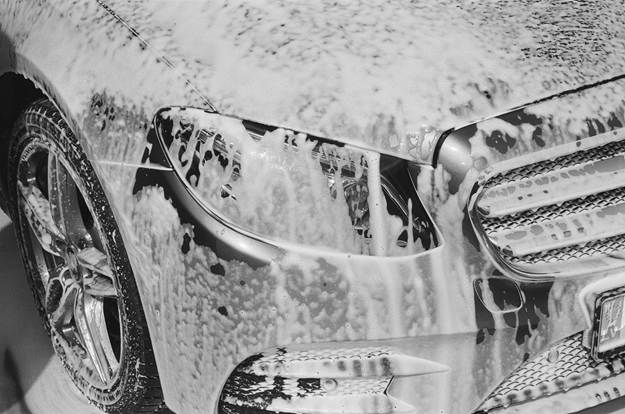
Photo by Krišjānis Kazaks on Unsplash
Most drivers know the routine. Quick rinse. Soap. Sponge. Dry it off. Stand back. Job done.
Except sometimes it is not.
The car is technically clean, yet something still looks off. The paint feels rough. The windows haze over in sunlight. The wheels already look dull again. The interior has that faint, stale smell no air freshener can defeat. You washed the vehicle, but it still carries the evidence of daily use.
That gap between “washed” and “actually clean” is where many owners lose ground. Surface cleaning handles obvious dirt. It does not always address the buildup, residue, and wear that quietly accumulates over time.
A basic wash is designed to remove loose grime. Dust, mud, pollen, bird droppings, and road splash usually come off with the right soap and some effort.
What it often does not remove includes:
This is why a vehicle can leave the driveway looking better, but not truly refreshed.
Drivers often mistake lingering contamination for aging. In many cases, it is simply buildup that has never been properly removed.
Modern paint systems are durable, but they are not invincible. Tiny scratches, neglected residue, tree sap, UV exposure, and harsh weather all wear away at appearance over time.
The issue is rarely dramatic. It is gradual.
A finish loses gloss little by little. Dark colours begin to look flat. Lighter vehicles develop dull patches. Water stops beading. Contaminants bond more easily.
Many owners assume this is just what happens with age. Sometimes age is part of it. Often, neglected maintenance is the larger factor.
Exterior appearance gets most of the attention, but interiors usually absorb more abuse.
Think about what happens inside a vehicle every week:
None of this looks catastrophic in isolation. Together, it creates the tired, worn feeling many owners notice after only a few years.
Interior neglect also tends to compound. Dirt trapped in fabric becomes harder to remove. Leather dries out. Plastics fade. Odours settle in.
Canadian drivers know the calendar can be brutal on vehicles.
Winter introduces road salt, slush, sand, and moisture. Spring brings pollen and mud. Summer adds UV exposure, bug residue, and baked-on contaminants. Fall arrives with sap, leaves, and moisture again.
Each season leaves something behind.
That is why occasional deep cleaning often makes more sense than relying solely on weekly washes. It resets surfaces before residue becomes permanent or more difficult to remove.
Ask any technician where buildup gets ignored most often, and wheels would rank near the top.
Brake dust is corrosive. Road grime sticks aggressively. Tire dressings can sling onto panels. Inner barrel buildup is rarely addressed during a casual wash.
When wheels remain neglected, the entire vehicle can look older than it is.
Clean wheels do not just improve appearance. They also make it easier to inspect for curb damage, uneven tire wear, or leaks that might otherwise go unnoticed.
Washing removes loose dirt. Detailing is a more thorough process focused on correction, protection, and restoration.
That can include:
For owners trying to preserve long-term condition, occasional professional detailing can be a practical maintenance step rather than a cosmetic luxury. Some drivers use providers such as Mnvautodetailing.com when a standard wash no longer delivers the results they want.
That is not about vanity. It is about preventing minor issues from becoming permanent ones.
Used vehicle buyers notice details quickly.
They may not say it aloud, but they notice:
These signals create assumptions about overall care. If visible areas were neglected, buyers may wonder what else was ignored.
A clean, well-maintained vehicle often feels newer, even when mileage says otherwise.
There is no universal schedule. Usage matters.
A garage-kept commuter driven lightly may need less frequent attention than:
For many owners, a seasonal approach works well. A deeper clean after winter and another before colder weather returns can help manage the harshest contamination cycles.
If any of these sound familiar, a basic wash is probably not enough:
These are common signs of buildup rather than permanent damage.
Drivers often underestimate how much residue a vehicle collects simply through normal use. Roads, weather, touch points, food, dust, sunlight, and time all leave marks.
A wash helps. It just does not solve everything.
Treating a vehicle like any other piece of equipment usually produces the best outcome: regular upkeep, occasional deeper maintenance, and attention before problems compound.
Because sometimes the reason your car still looks dirty after a wash is simple.
It was cleaned. It just was not fully cared for yet.



Leave a Reply