
Car Insurance for Used Cars vs New Cars: How Coverage Needs Differ and Why That Shapes the Decision
Share

View the latest digital editions of all of our publications or head straight to the archives

Share

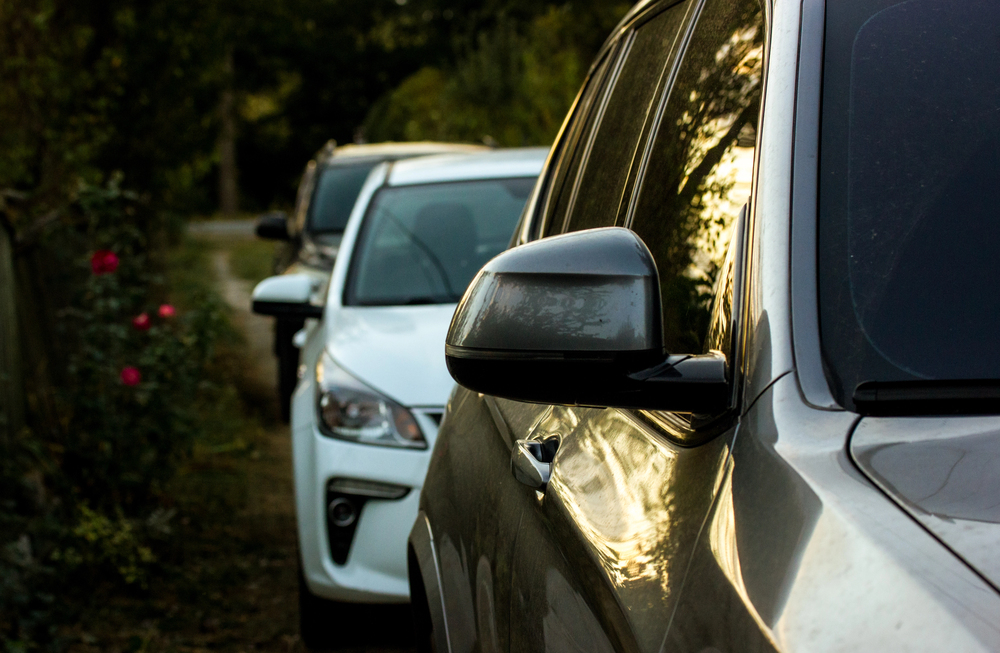
Buying a car is a major financial decision, but the insurance choice matters just as much. The cover that suits a new vehicle may not suit an older one in the same way. The choice of policy often depends on factors such as the car’s age, market value, repair costs, and how the vehicle is used. Because of these differences, some cars may require broader protection, while others may only need third party car insurance.
This article outlines how these factors influence coverage decisions for new and used cars.
Car age affects the insurance decision by altering value, repair exposure, and expected use. A newer car usually has a higher insured value and higher repair costs, so broader cover often feels more suitable.
A used car may still need good protection, but the choice is usually more balanced. In car insurance, depreciation, condition, running pattern, and likely repair bills all influence the premium and the type of cover selected.
A new car usually needs wider protection because the financial risk may be higher. Owners often view insurance as a way to protect both the vehicle’s value and repair costs.
A new car may have a higher market value, so serious damage can result in a larger financial loss. This can prompt owners to consider broader protection rather than limited cover.
Comprehensive cover may appeal more to new car owners because it can include protection for damage to the insured vehicle, as well as third-party liability. Since labour charges, spare parts, and repair bills can be costly, broader cover may offer more suitable financial support during the early years of ownership.
Add-on covers may be more useful for a new car. Covers for depreciation, engine protection, and roadside support can help lower the amount the owner may need to pay in some situations. They may matter more when repair or replacement costs can still be high.
Used cars usually need a more selective insurance approach. The focus often shifts from maximum protection to cover that still feels proportionate to the car’s present value and condition.
Used cars generally have lower market value than new vehicles, which can affect how insurance coverage is evaluated. When a vehicle’s value declines over time, the cost of higher premiums for extensive protection may appear less aligned with the car’s worth. In such cases, some owners evaluate whether coverage options, such as third-party insurance, are sufficient for their needs.
Insurance choices for used cars are often more closely shaped by budget. Premium amount, maintenance record, daily use, and expected claim value all matter. The aim is usually to keep protection sensible without paying for features that may no longer offer equal value.
Some add-ons may be less relevant for used cars because their cost may feel high relative to the vehicle’s reduced value. Instead of selecting every extra benefit, owners often choose only those features that still support their present needs.
Some factors matter whether the car is new or used. These points help shape the level of cover, the premium, and the overall suitability of the policy.
Choosing the right car insurance often depends on factors such as the vehicle’s age, market value, repair costs, and how the car is used. Since these aspects change as a vehicle gets older, the type of coverage that suits a new car may not always suit a used one. Understanding these differences can help drivers think more carefully about their insurance options. Considering these factors can make it easier to approach insurance decisions more informedly and in a more balanced way.


Leave a Reply