

Why Head On Crashes Result in the Most Catastrophic Injury Claims
Share

View the latest digital editions of all of our publications or head straight to the archives

Share
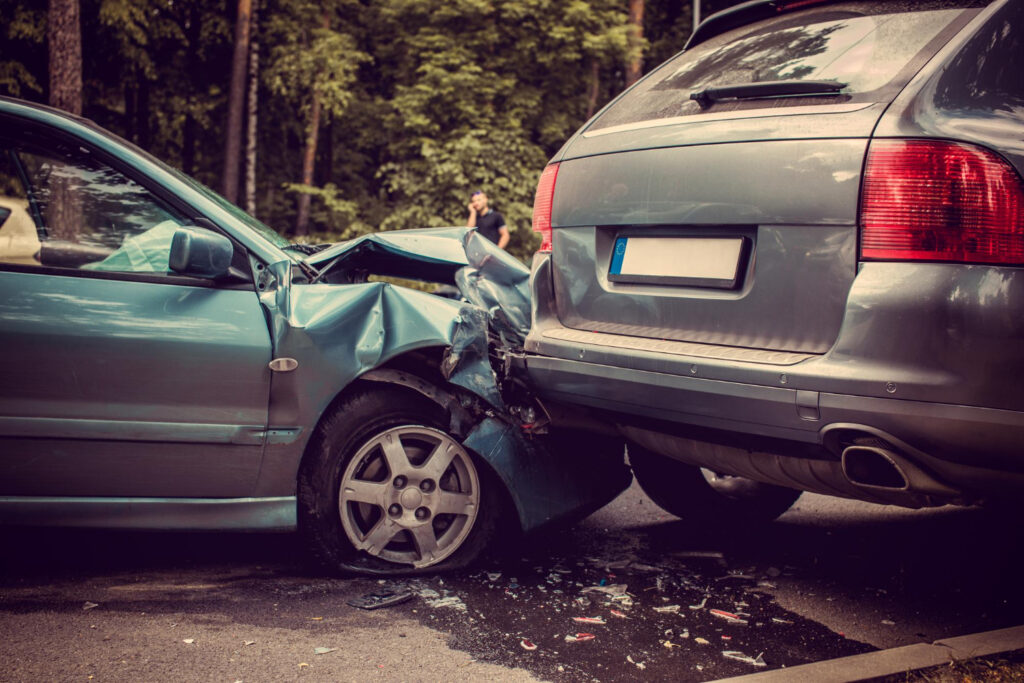
A head-on collision is one of the most serious types of crashes because of the force involved. When two vehicles hit each other directly, the impact is sudden and intense. Unlike minor accidents where the car can absorb some of the force, these crashes create a sharp stop that puts extreme strain on everyone inside.
Even though head-on collisions are less common, they account for a large number of serious injuries and fatalities. There’s usually very little time to react, so drivers often hit at full speed. That makes the impact even more severe and the damage much greater.
Because of how serious head-on accidents are, what happens afterward can be just as important as the crash itself. Investigations often look closely at speed, driver behavior, and road conditions to understand what went wrong. Having a clear understanding of these factors can help you better navigate the situation and protect your interests moving forward.
The physics of kinetic energy dictate the destruction observed in a frontal strike between two moving vehicles. There is a common misconception that hitting another car at forty miles per hour is equivalent to hitting a stationary wall at that same speed. However, the vector math proves that the force of the impact is significantly amplified during the high-speed event today.
When two objects of similar mass collide while moving toward each other, the energy dissipated is doubled. This is why these crashes often lead to the total collapse of the passenger cabin. The structural integrity of the vehicle is pushed far beyond its laboratory testing limits during the actual impact. It is a terrifying reality that changes lives.
Identifying the common causes of these catastrophic events reveals a pattern of extreme human error. Wrong-way drivers on divided highways represent the most terrifying scenario, often occurring at night or during low visibility. These incidents are frequently linked to driver confusion at complex interchanges or the presence of intoxicated operators who ignore road signs.
Distracted lane-drifting is another primary driver of frontal impacts on two-lane rural roads where there is no physical barrier. A split-second look at a smartphone can cause a vehicle to cross the center line and enter oncoming traffic. Impaired judgment also prevents drivers from making the necessary corrections to avoid a looming and very dangerous collision.
Typical injuries sustained in a frontal impact reflect the massive deceleration forces that occur when a vehicle stops instantly. The “Dashboard Knee” is a common trauma where the lower leg strikes the interior panel, causing complex fractures or hip dislocations. This trauma requires extensive surgery and long-term rehabilitation for the victim to regain their mobility and daily function today.
Internal organ bruising and seatbelt-related trauma are also significant risks. Traumatic brain injuries are common as the head is violently thrown forward despite airbags. These neurological deficits can lead to permanent changes in personality, memory, and cognitive ability for every single survivor involved in the impact. It is a slow and difficult recovery.
Proving liability in a frontal crash requires a methodical reconstruction of the scene to identify the exact point of the impact. Forensic tire-mark analysis is the primary tool for determining which vehicle crossed the center line before the collision occurred. These marks provide a physical map of the drivers’ decisions and their final attempts to steer away from danger.
Engine data from the vehicle’s black box provides additional objective proof regarding the speed and braking patterns of both cars. This digital evidence can silence the conflicting statements often given by drivers in shock. High standards in evidence gathering are essential for building a persuasive case for the jury. It turns guesswork into science.
When an injury leads to permanent disability, the legal team must work with experts to calculate the total cost of future care. This ensures that the settlement is large enough to provide for the individual’s needs for decades.
A detailed care plan covers everything from future surgeries to specialized home modifications and assistive technology devices. It protects the victim from the risk of running out of resources as they age and their requirements change. This proactive planning is a hallmark of a professional and successful legal strategy for families seeking justice.



Leave a Reply