

The shifting trajectory of the BEV future
Share

View the latest digital editions of all of our publications or head straight to the archives

Share
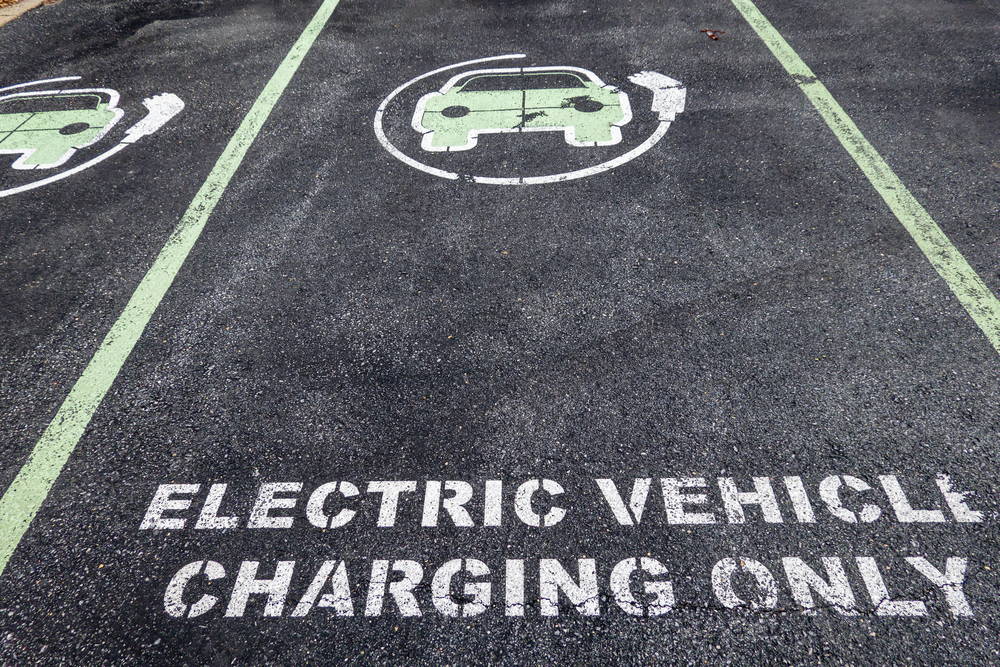
The outlook for battery electric vehicles is shifting as incentives wane and consumers turn to hybrids.
“If I was up here four years ago, I’d probably be like, ‘There’s so much momentum around electrification,” Steve Greenfield, CEO of Automotive Ventures, told attendees of the MEMA Aftermarket Suppliers Aftermarket Technology Conference in Springfield, Missouri.
“There was a lot of debate around whether or not we would get to 50 per cent of all new cars sold being electric by 2030.”
The market now faces new headwinds as incentives in both Canada and the U.S. are reduced or eliminated.
“Demand might be zero, right? There might be no demand,” he observed.
Greenfield pointed to hybrid vehicles, especially non-plug-in models, as the unexpected winners.
“The breakaway winner through all of this has been hybrids, the mild hybrids and the non-plug-in hybrids — the old Toyota Priuses, where it used to be a sacrifice,” he said. “The technology has gotten a lot better. Now consumers say, ‘Man, I can get better gas mileage and not really sacrifice power.’”
Despite this shift, Greenfield said a longer-term transformation remains on the horizon.
“Battery electric vehicles will be the dominant drivetrain on the face of the earth,” he said. For that transition to happen, BEVs must overcome consumer concerns about range and charging speed. Consumers are waiting to be told they can drive 1,000 miles on one charge, and charging speed is at least as fast as filling up the gas tank of their ICE vehicle.
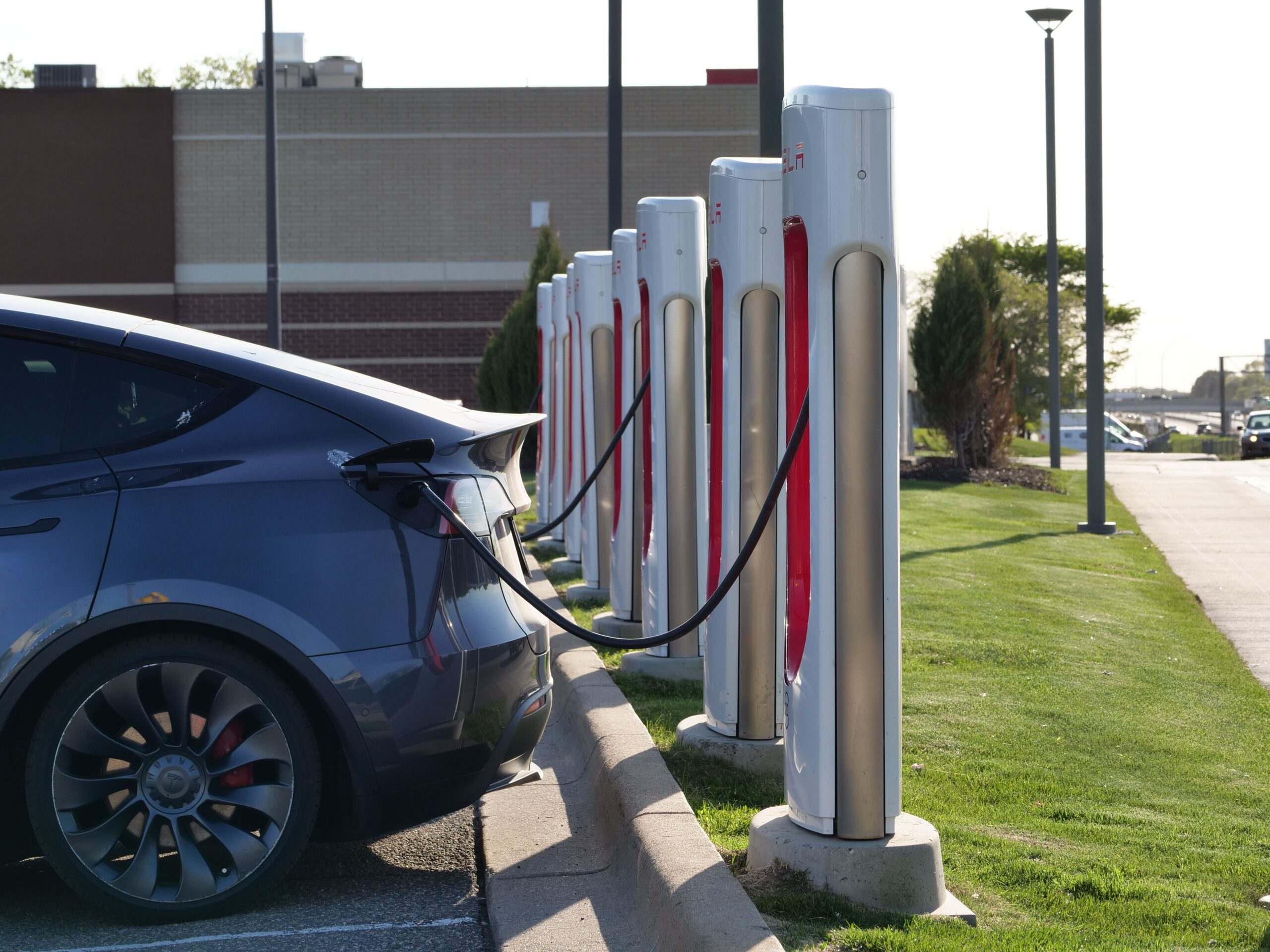
“Chargers won’t even be a thing,” Greenfield said of the future. People 50 years from now are “going to look at like the fact that we plugged a wire into a car and go like, ‘Why? Why did you have to do that?’”
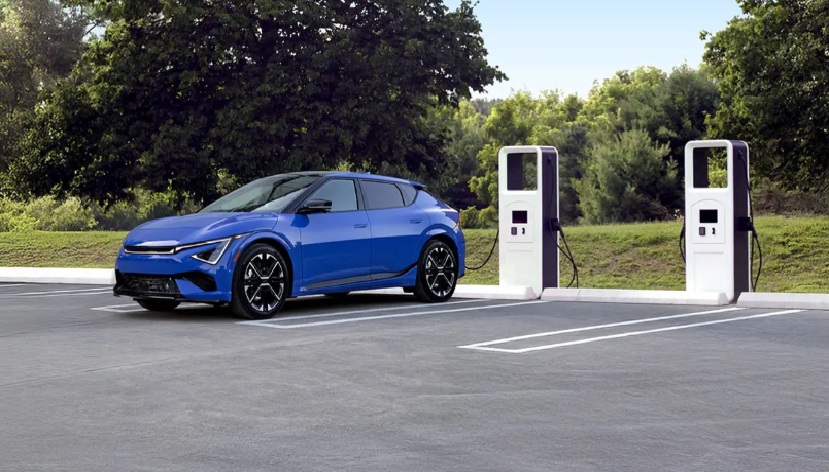
He pointed to recent advancements like one from Chinese manufacturer BYD, which announced a five-minute charge for a battery. Even traditional automakers like Toyota and Honda are “working on technologies and solid state technologies that might accept a charge in five minutes.”
Image credit: Depositphotos.com

Leave a Reply