
Analysis: Aftermarket at a strategic crossroads
Share

View the latest digital editions of all of our publications or head straight to the archives

Share
Electrification is no longer a future consideration; it is actively reshaping the service landscape today.
That was the clear and timely message for the Canadian automotive aftermarket from the EV & Charging Expo held April 8-9 at Toronto’s Enercare Centre.
Positioned as a business-to-business forum, the event brought together infrastructure providers, fleet operators, policymakers, utilities, and technology companies. While OEMs and vehicle launches were not the focus, the implications for the aftermarket were significant and increasingly urgent.
For shop owners, service networks, and industry executives, the takeaway is not disruption in the traditional sense; it is transition. The aftermarket is not disappearing, but its role, revenue mix and competitive positioning are evolving rapidly.
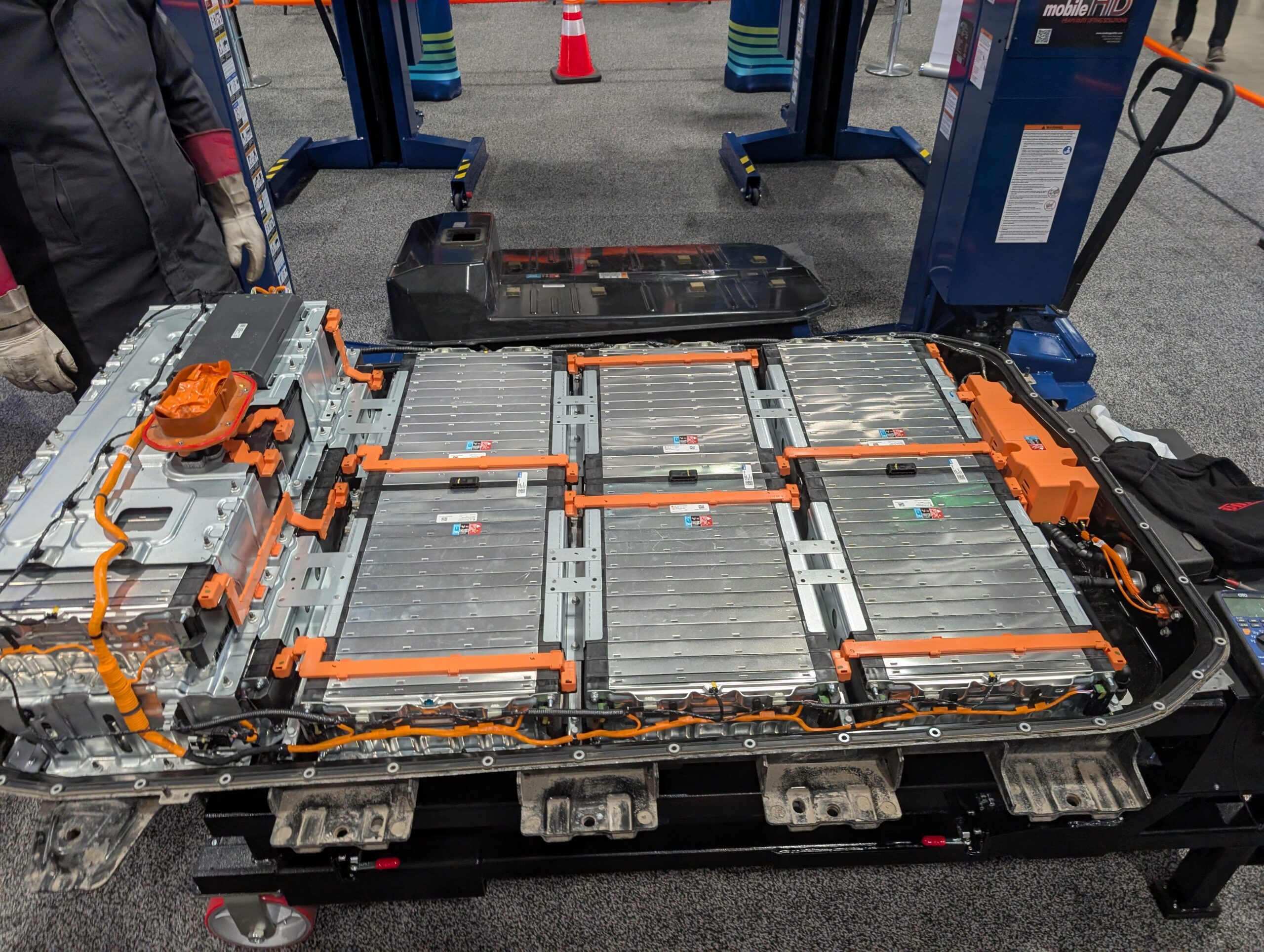
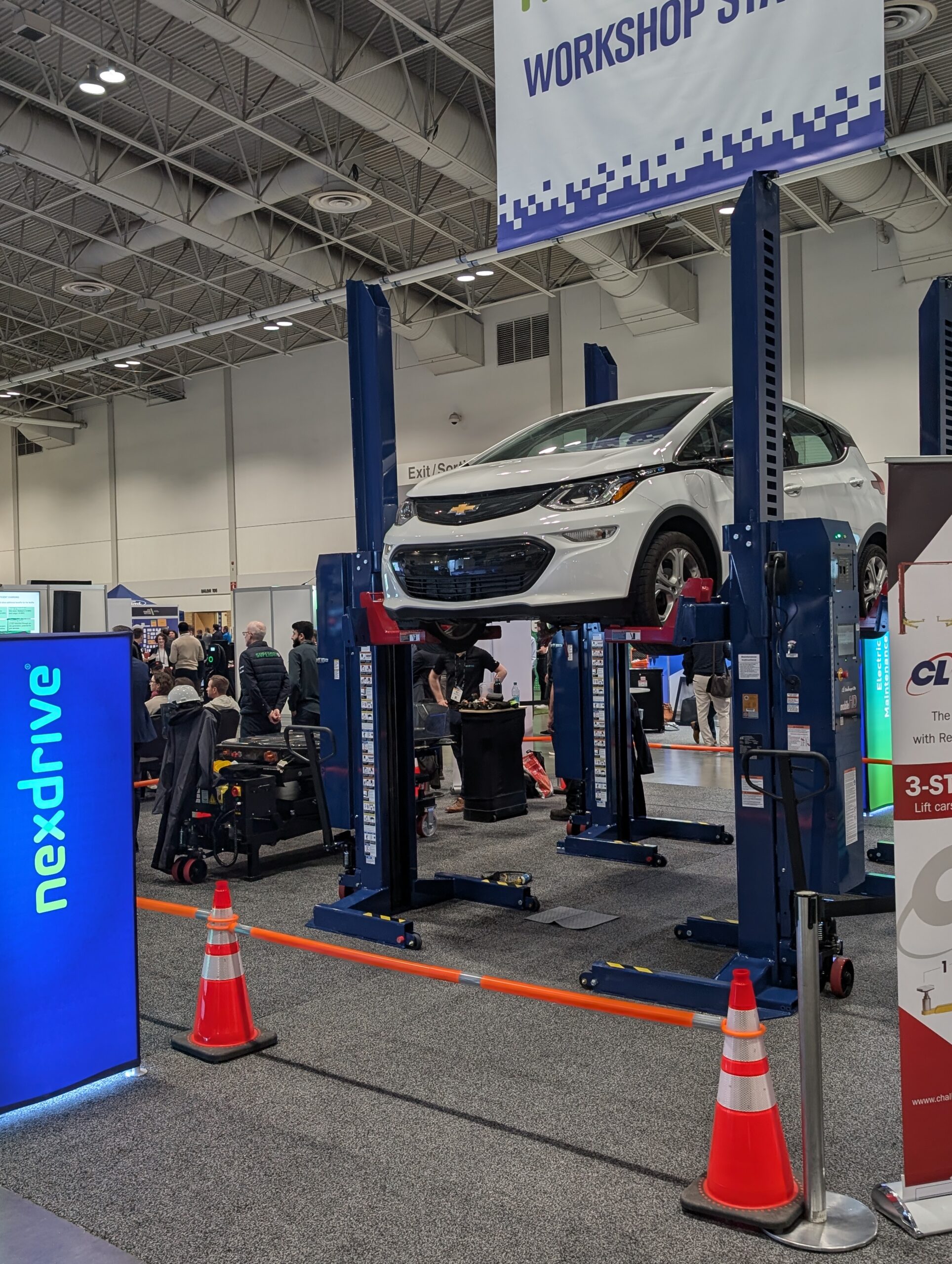
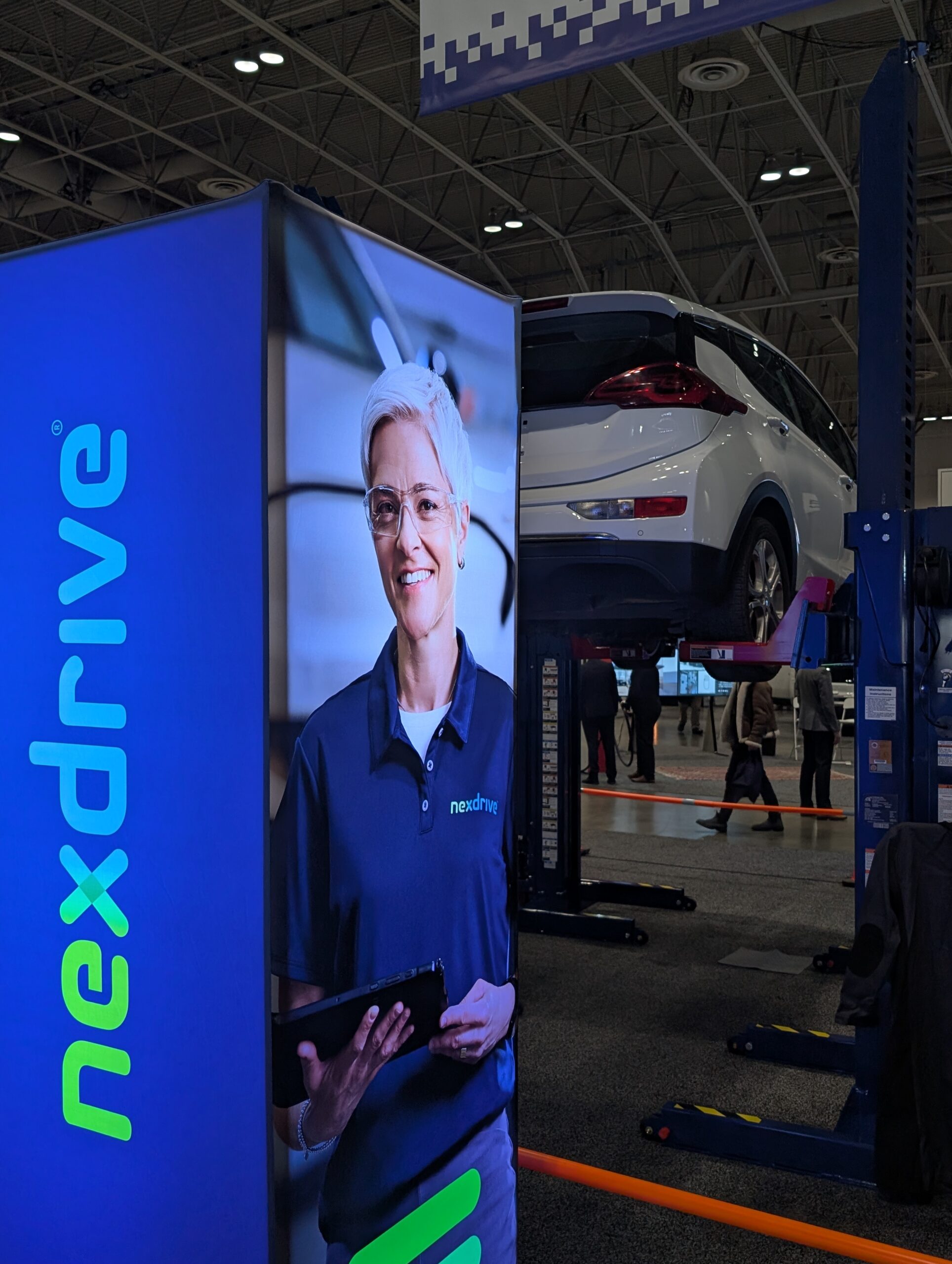
One of the clearest signals from the broader industry is the emergence of structured EV service programs such as NAPA NexDrive.
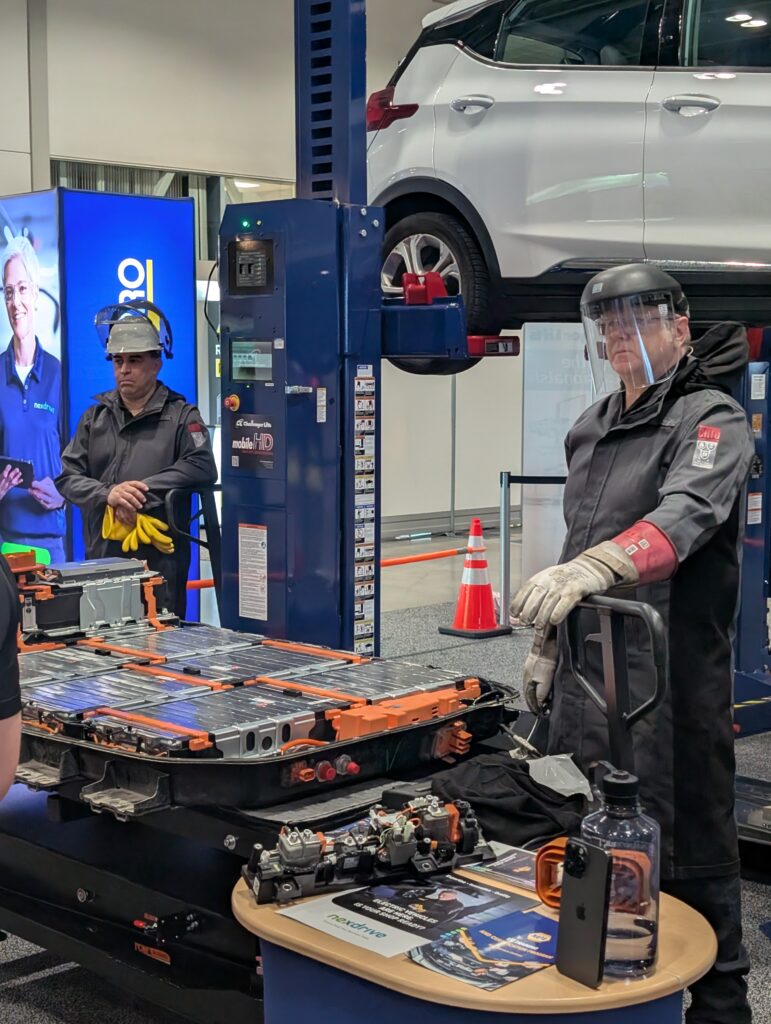
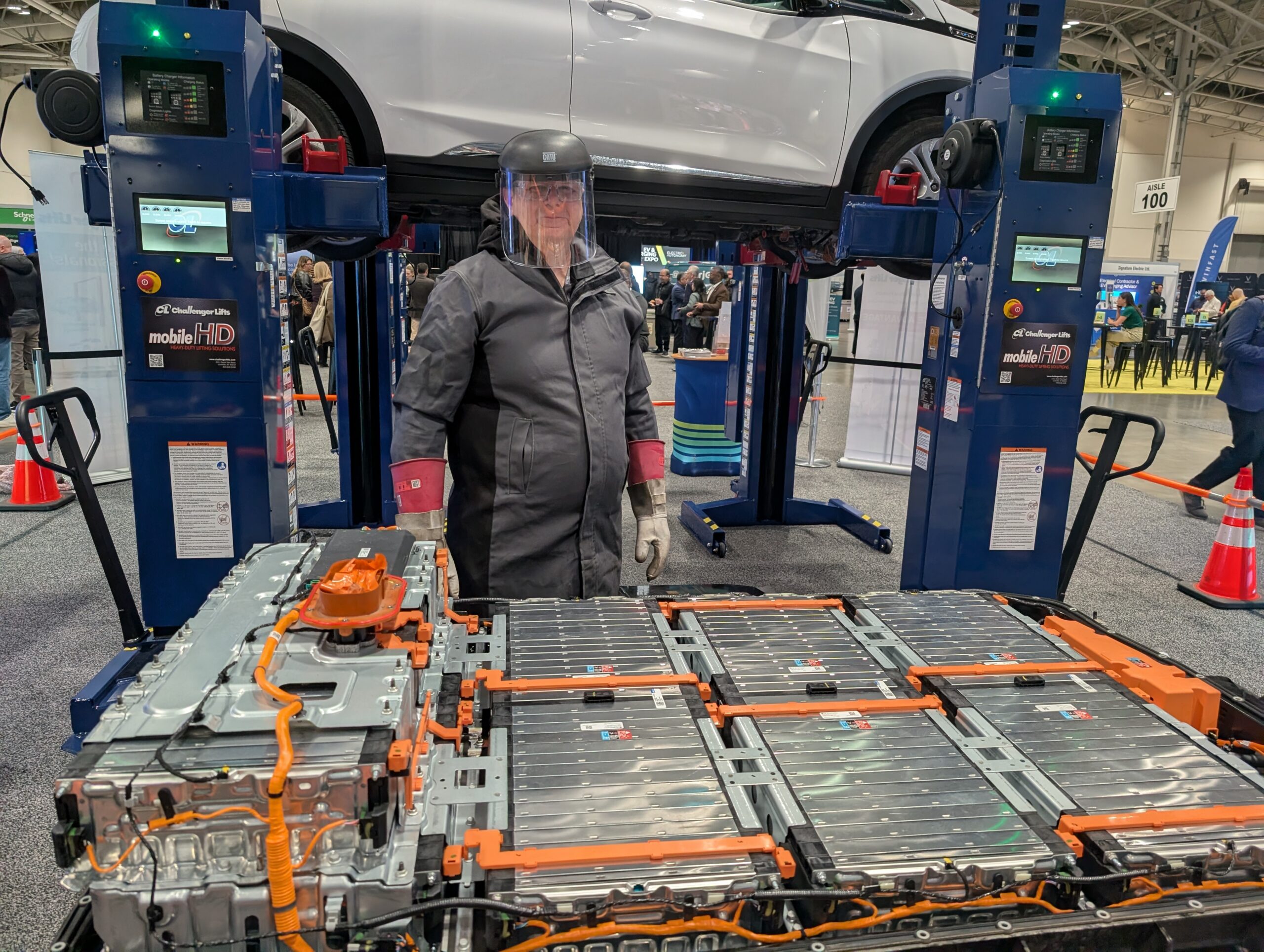
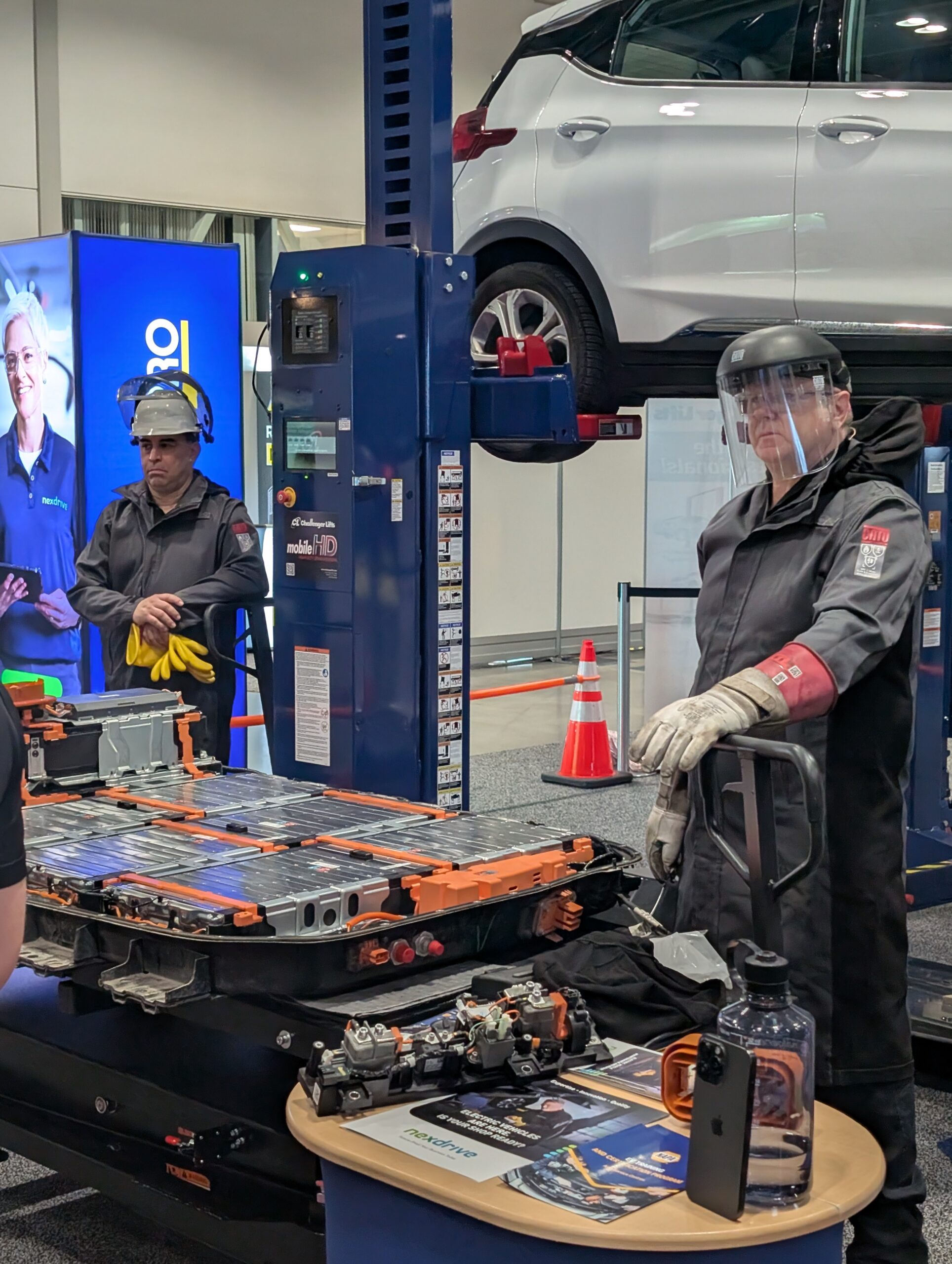
NexDrive reflects a fundamental shift in how independent repair is preparing for electrification. It combines advanced technician training, specialized tooling, and standardized service protocols to ensure shops can safely diagnose and repair hybrid and electric vehicles. This includes high-voltage system handling, battery diagnostics, and increasingly, software-driven troubleshooting.
Importantly, leadership within the program is reinforcing that this is not a future-facing initiative; it is a current requirement.
“Independent shops don’t need to become EV specialists overnight, but they do need to start building capability now,” said Yves Racette, director of NexDrive program development. “The transition is already happening, and customers will increasingly expect certified, confident service.”
For the aftermarket, this is more than a training initiative; it is a signal that capability is becoming the new competitive baseline. Traditional mechanical expertise alone will not sustain long-term growth. Shops that invest early in EV certification and structured processes will be positioned to capture emerging service demand, while those that delay risk being excluded from both consumer and fleet opportunities.
There is also a broader implication for network strategy. Programs like NexDrive demonstrate that scale, standardization and brand trust will matter more in an EV environment, particularly as service becomes more technical and less frequent.
A dominant theme across the expo floor and conference sessions was the vital role of charging infrastructure. Charging networks, depot solutions and energy management systems were the primary focus, not the vehicles themselves.
This represents a structural shift in how customers interact with the automotive ecosystem. In an internal combustion environment, the repair shop was often the primary point of engagement. In an EV environment, that role is increasingly shared, or even replaced, by the charging experience.
For the aftermarket, this creates both risk and opportunity. Shops that remain solely focused on mechanical repair may see reduced customer touchpoints over time. However, those that expand into charging-related services (installation, maintenance, troubleshooting and even site management) can reposition themselves as essential local partners in the EV ecosystem.
This is particularly relevant in commercial and multi-residential applications, where charging infrastructure requires ongoing support. The aftermarket is well-positioned to play this role, provided it expands beyond its traditional boundaries.
While consumer EV adoption continues to grow, the expo made it clear that fleet electrification is driving the near-term market. Municipal fleets, last-mile delivery operators and commercial vehicle providers are leading the transition due to regulatory pressure, cost predictability and centralized decision-making.
For the aftermarket, fleets represent the most immediate and scalable opportunity in the EV space.
Fleet service differs fundamentally from retail repair. It is driven by uptime, service agreements and operational reliability rather than one-time transactions. This aligns well with a more structured, program-based approach to service, something the independent aftermarket has not historically emphasized but is increasingly adopting.
Programs like NAPA NexDrive support this transition by providing a consistent service framework that fleets can trust. For shop owners, this opens the door to longer-term contracts, predictable revenue, and deeper customer relationships.
More importantly, it provides a bridge strategy. While EV retail service volumes may take time to fully materialize, fleet electrification is already generating demand for qualified service partners.
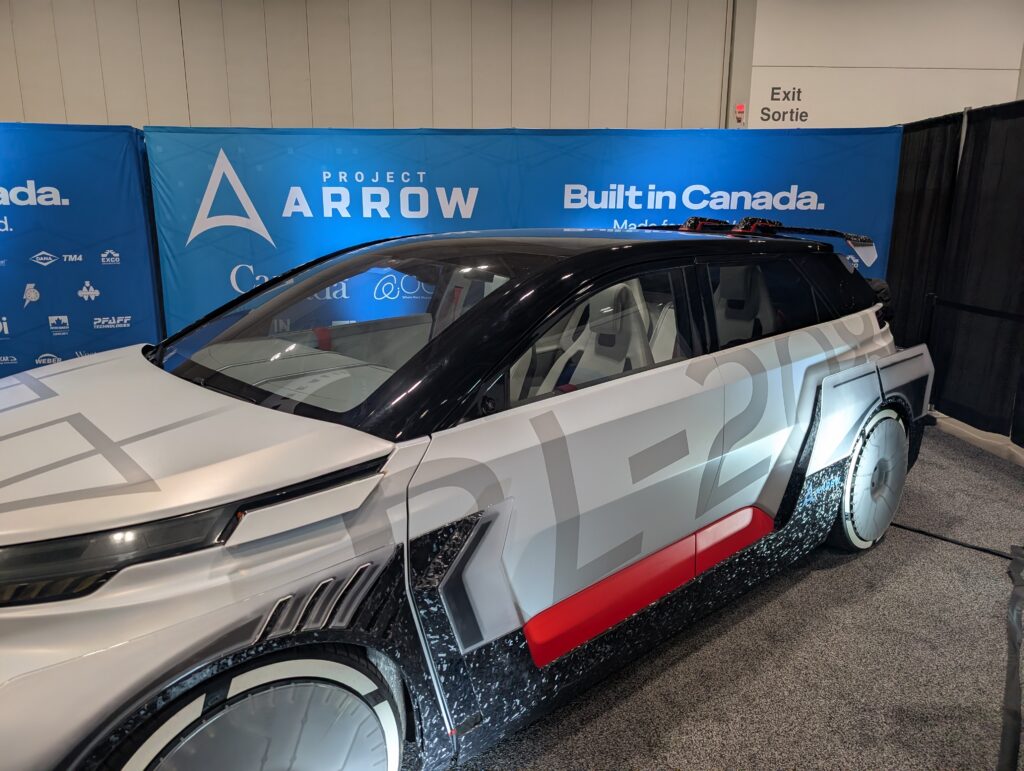
A key highlight of the expo was the keynote from Daniel Breton, titled “Postcards from the electrified future.” Drawing on real-world examples from markets such as Norway and China, Breton outlined what mature EV ecosystems look like when infrastructure, policy and industry alignment converge.
His message was direct and highly relevant to the aftermarket: The transition accelerates quickly once it reaches a tipping point, and late adopters struggle to regain position.
For Canadian service providers, this reinforces an important reality. Waiting for EV volume to fully arrive before investing in capability is not a low-risk strategy; it is a high-risk one. By the time EVs dominate service bays, the competitive landscape will already be established by those who moved earlier.
Another consistent theme throughout the Expo was the expansion of the automotive ecosystem. The aftermarket is no longer operating within a closed loop of parts suppliers, distributors, and repair facilities.
Energy companies, utilities, charging network operators, software platforms and even real estate developers are now active participants in mobility services. Each brings a different capability, whether it is energy distribution, data analytics or infrastructure deployment.
For the aftermarket, this creates both competitive pressure and partnership potential.
Independent operators that remain isolated risk being bypassed as these ecosystems develop. In contrast, those that align with larger networks, integrate into infrastructure deployment or partner with technology providers can extend their relevance and capture new revenue streams.
This shift also reinforces the importance of thinking beyond the individual shop. The future aftermarket will likely be more networked, more standardized, and more integrated into broader mobility platforms.
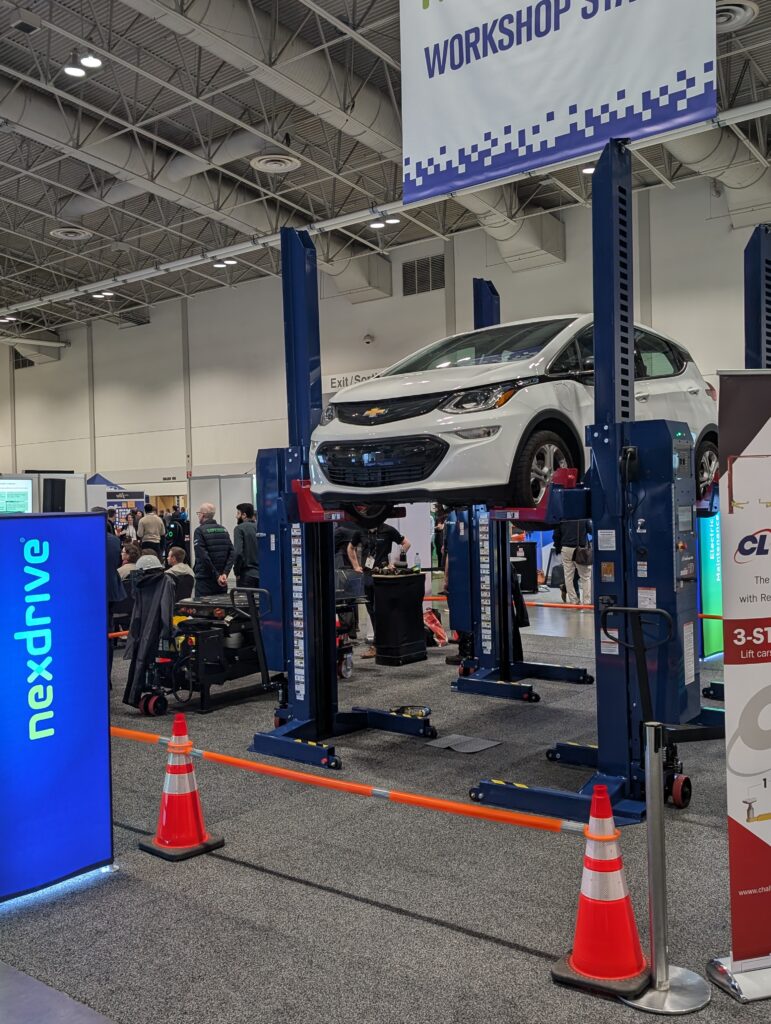
The event emphasized a defining moment for Canada’s automotive aftermarket: Electrification is not removing the need for service, it is changing where, how and by whom that service is delivered.
The industry’s next phase will be defined by capability, adaptability, and integration. Shops that invest in EV readiness, align with structured programs, and expand into adjacent areas such as infrastructure and fleet service will remain central to the value chain.
Those that do not may find themselves increasingly disconnected from both the customer and the evolving mobility ecosystem.
For aftermarket leaders, the transition is underway, and the time to act is now.
Martyn Johns is a Canadian automotive aftermarket expert with over 20 years of experience designing and scaling service delivery networks. He is a recognized leader in EV transition strategy, helping organizations adapt their service models, installer networks, and customer experience for the next generation of vehicle ownership.

Where are these people getting this information? I have exactly 3 EV customers, and my shop is in a trendy downtown environment. The news is full of battery and EV manufacturing claw backs and dwindling global demand. Governments are walking away from investments and losing multi millions of our tax dollars. And there are still people who think we, as the little guy, should invest in this scam? Thanks, but no thanks.





Leave a Reply