

The dealer strategy that’s gaining DIFM share
Share

View the latest digital editions of all of our publications or head straight to the archives

Share
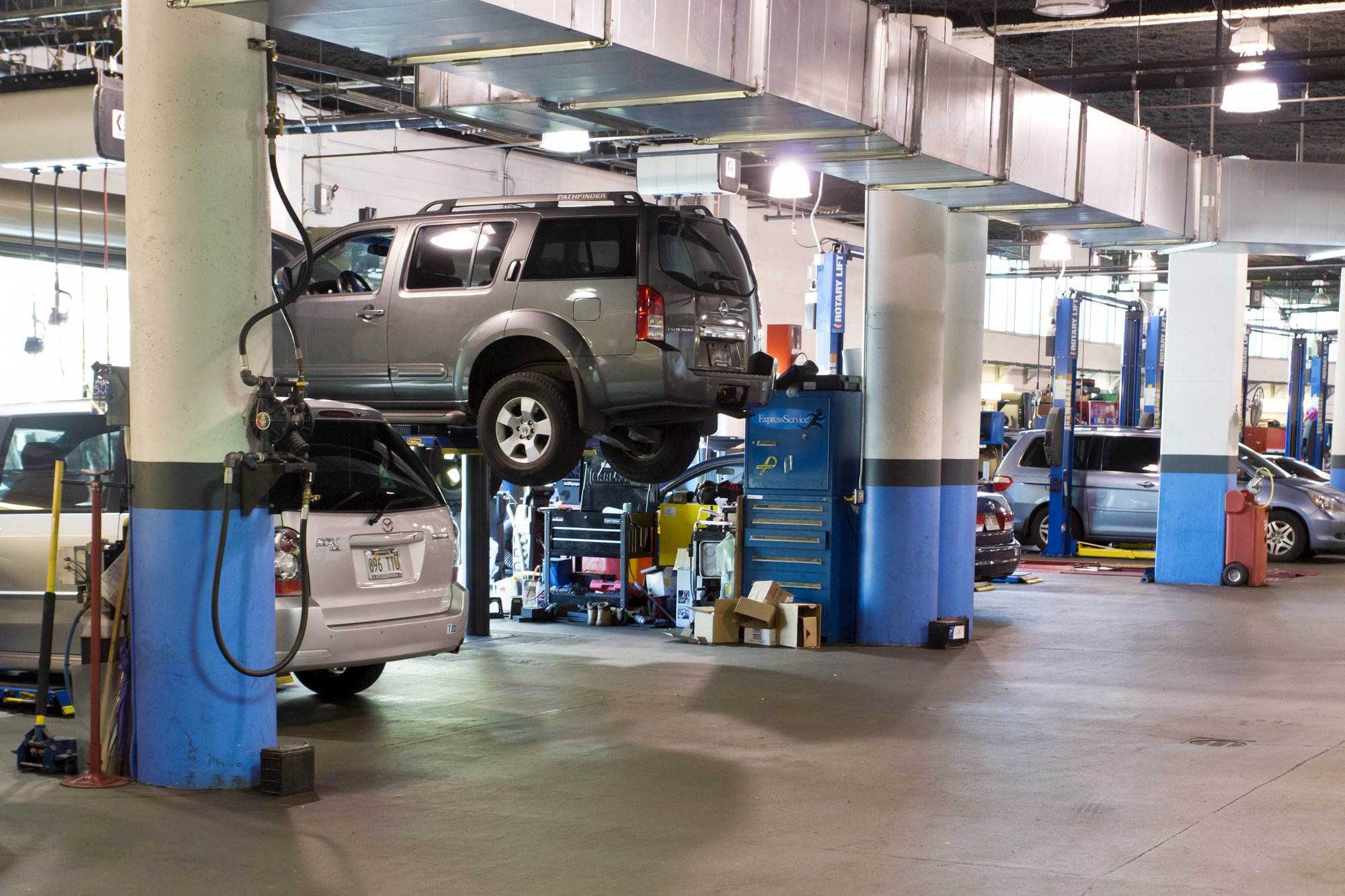
New vehicle dealers have rebuilt and expanded their presence in the do‑it‑for‑me repair market, reversing losses suffered after the 2008 recession and gaining share through changes in service strategy, according to new analysis from Lang Marketing.
Dealers’ repair share climbed steadily in the early 2000s, reaching about 27 per cent of DIFM product volume between 2000 and 2007. That momentum was sharply interrupted by the Great Recession, when new‑vehicle sales fell over a two-year period. As showroom traffic dried up, dealers’ DIFM share slid below 24 per cent by 2010 and bottomed out in 2014, roughly one‑quarter below its 2007 peak.
The downturn forced a strategic reset, according to Lang. Before 2008, many dealers focused service bays on vehicles under six years old and on the brands they sold new. With new‑vehicle volumes collapsing, dealers widened their approach, opening bays to all makes and model years to attract a broader customer base.
Used vehicles became a key part of the recovery. As dealers leaned more heavily into used‑vehicle sales, they generated additional service work to recondition vehicles for resale and encouraged buyers to return for maintenance and repairs. Lang estimated repairs tied to used‑vehicle activity now account for as much as 25 per cent of service‑bay volume at many dealerships, a source of DIFM growth often overlooked.
Dealers also expanded quick service lanes to compete more directly with independent repair shops. One automaker reported that a significant share of vehicles serviced in its quick service lanes are brands sold by other manufacturers, highlighting the shift to all‑makes service.
At the same time, increasing vehicle complexity has played to dealers’ strengths. Investments in tools, equipment and training, particularly for advanced systems and brand‑specific technology, have helped position dealers as preferred outlets for complex repairs. Lang says many consumers now view dealers as the most capable option for sophisticated work.
The results show up in market share. Dealers added more than $3 billion in DIFM product sales between 2014 and 2019, before the pandemic. From 2019 to 2025, they added more than 120 basis points of DIFM share and about $4.5 billion in sales, accounting for more than 35 per cent of DIFM market growth over that period. Preliminary findings indicate dealers expanded share again in 2025, reducing the combined share of independent outlets.
Lang projected further gains ahead, pointing to continued growth in dealers’ repair product sales and additional DIFM share increases in the coming years as dealers continue to adapt their service models to an aging fleet and evolving consumer expectations.
Image credit: Depositphotos.com






Leave a Reply