
How new EV mandate could impact fuel demand
Share

View the latest digital editions of all of our publications or head straight to the archives

Share

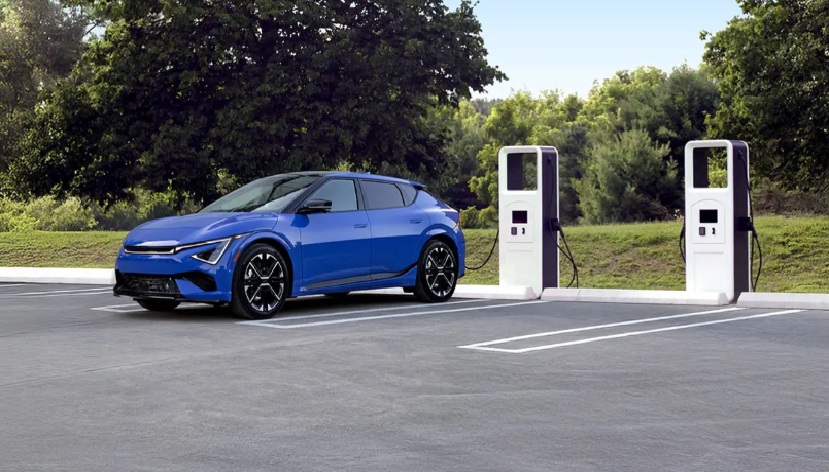
Fuel retailers face manageable near‑term pressure and a more positive long‑term outlook under Ottawa’s new electric vehicle policy, according to recent analysis, which said rebates will lift EV sales from subdued 2025 levels but the end of a hard sales mandate eases longer‑range risk.
The federal government ended manufacturing mandates in February that would have required 60 per cent of new vehicles to be electric by 2030 and 100 per cent by 2035. In their place, Ottawa will apply more stringent tailpipe emissions standards for model years 2027 through 2032 and has reinstated consumer purchase incentives, offering up to $5,000 for EVs and up to $2,500 for hybrids after the program was paused in January 2025.
Credit rater DBRS Morningstar expects EV sales to regain momentum with the return of rebates, which will create some pressure on gasoline and diesel volumes through 2026. Even so, the firm says the impact should be modest and manageable for established operators because EV penetration remains low and the policy shift replaces a rapid, mandated transition with a more gradual pathway tied to fleet‑wide emissions targets.
DBRS Morningstar pointed to the sharp pullback seen when incentives lapsed. Zero‑emission vehicles fell to 8.9 per cent of new entries through the third quarter of 2025 compared with 14.6 per cent in 2024. Battery electrics dropped to 5.7 per cent from 10.9 per cent over the same periods. The linkage between rebates and sales suggests some rebound ahead, which in turn will trim fuel demand at the margin as more drivers plug in.
At the same time, fuel consumption has proven resilient. Gasoline and diesel sales in 2024 were down only 0.1 per cent from 2023, despite headwinds from technology improvements in internal combustion engines and growing EV interest. DBRS Morningstar attributed that stability to a larger on‑road fleet, driven by population growth, and more commuters returning to workplaces.
Looking past 2026, DBRS Morningstar still expects a gradual decline in fuel sales as EV and hybrid adoption rises and efficiency gains continue. However, removing the 100 per cent sales mandate provides fuel retailers and convenience stores with a less daunting backdrop. The firm characterizes the long‑term outlook as more favourable, even as shifting policy introduces uncertainty. On balance, DBRS Morningstar forecasts low single digit declines in fuel volumes on a normalized basis over time.
For operators, DBRS Morningstar noted that the near‑term playbook centres on managing modest volume pressure while positioning sites for a slower, steadier transition. Convenience sales, premium fuels, and forecourt upgrades can help support earnings as vehicle mix evolves. The longer runway created by emissions standards, rather than fixed EV quotas, may also give retailers more time to evaluate investments in charging and alternative energy without the cliff‑edge risk of a hard mandate.
Image credit: Depositphotos.com

EV mandates will gradually reduce fuel demand rather than causing an immediate drop, mainly because adoption is still growing.
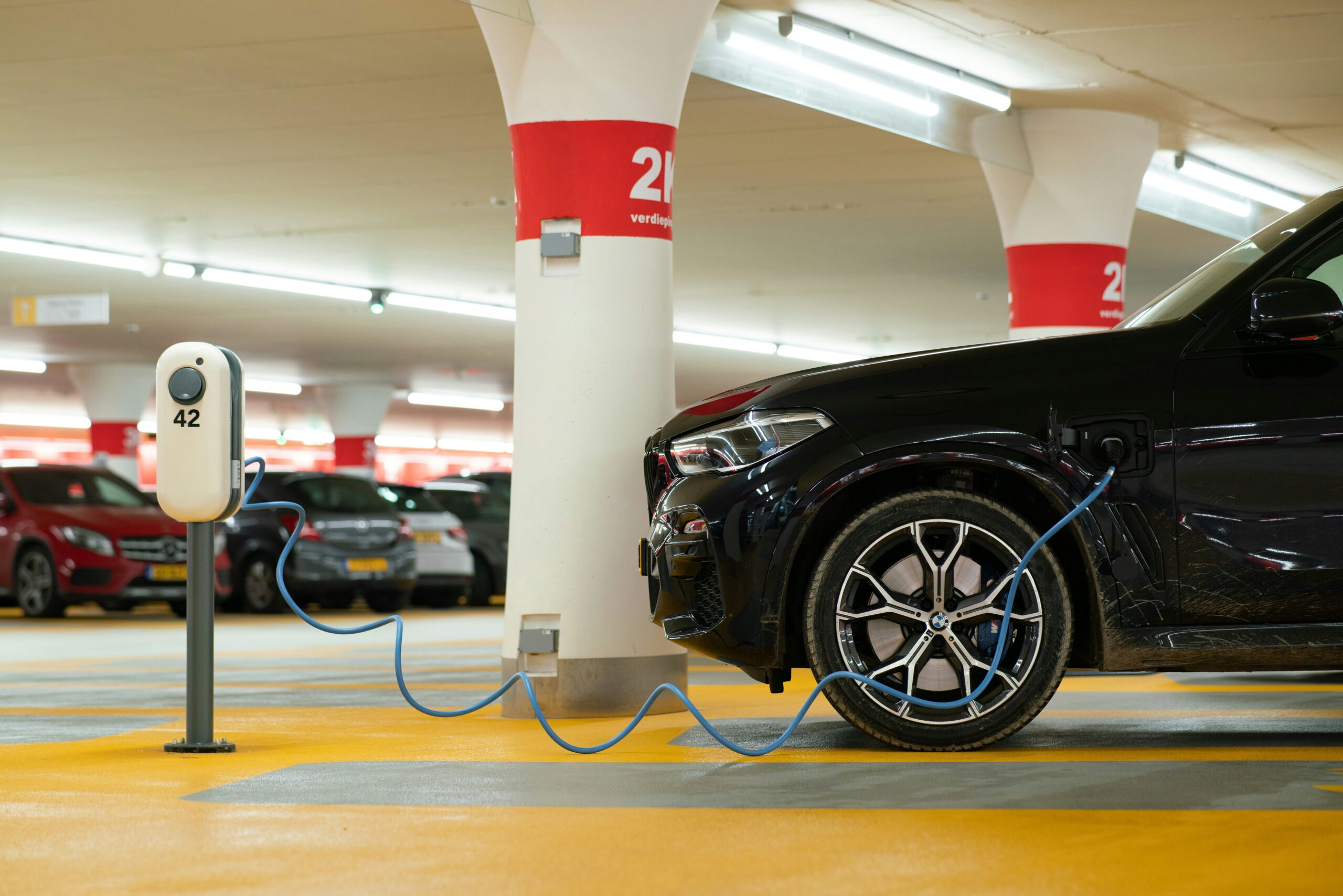
Long term, though, the shift is unavoidable — something that’s also reshaping garage operations.

Leave a Reply