


You can’t stock everything, so what will your business be known for?
Share

View the latest digital editions of all of our publications or head straight to the archives

Share
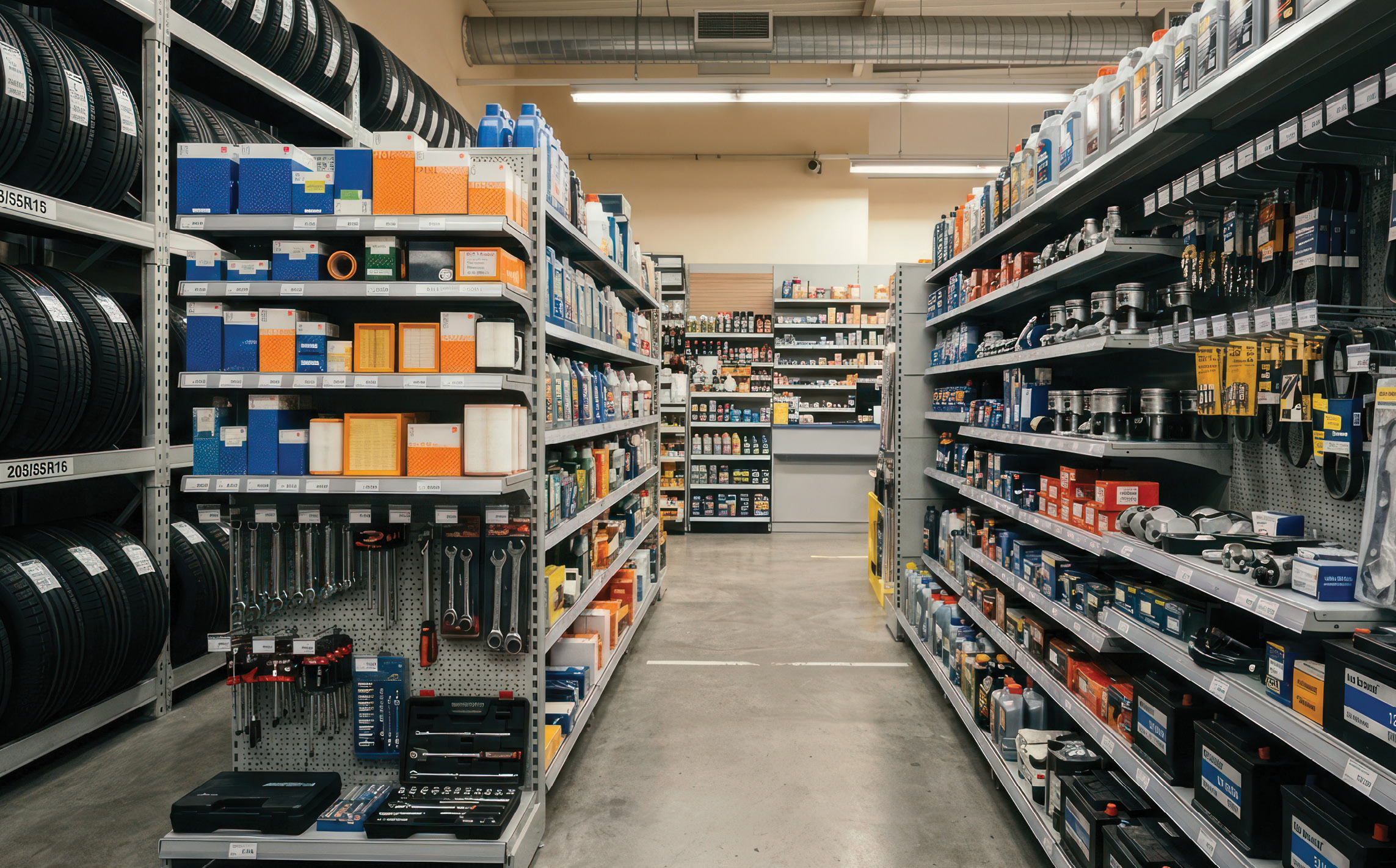
 A resurgence of interest in vehicles from the 1980s and 1990s creates an interesting opportunity for the aftermarket. These vehicles are old enough to require ongoing repair but new enough that many can still be driven regularly rather than kept solely as collector cars. The owners need parts, technical knowledge and a reliable place to turn when something is no longer readily available.
The larger story here isn’t about classic cars, but rather what those cars represent.
The aging vehicle population is becoming more fragmented. Older vehicles are staying on the road longer, and newer vehicles are bringing more electronics, advanced driver assistance systems, hybrid systems and model-specific components into the mix. Foreign nameplates represent a significant share of vehicles in operation, and regional differences influence which vehicles and repairs are most common.
For jobbers, this creates a difficult reality: the number of parts customers may need is expanding faster than most businesses can afford to increase inventory.
You can’t stock everything and, more importantly, trying to do so may not be the best strategy.
More demand does not automatically mean better opportunity
Parts proliferation is not new, but it is becoming harder to manage. Aging vehicles, changing technology and shifting repair demand are key trends increasing the range of products businesses need to stock.
On the surface, more vehicles and more part numbers appear to create more sales opportunities. In day-to-day business, they create slower-moving inventory, additional warehouse requirements and more working capital sitting on shelves.
A jobber may technically have broader coverage but become less profitable in the process.
The challenge is especially relevant in Canada. A geographically dispersed market means demand in downtown Toronto will not look the same as demand in rural Saskatchewan, Atlantic Canada or Northern Ontario. Climate, road conditions, vehicle preferences and access to dealerships all influence the local repair mix. Analyzing vehicles in operation in your service area becomes even more important when stocking parts.
Canadian consumers are also holding on to vehicles in a market where affordability remains a concern. When replacement vehicles remain expensive, maintaining an existing vehicle becomes more important. That supports aftermarket demand, but it also extends the range of model years businesses are expected to service.
Decide where you need depth
The first strategic decision is determining which categories, applications and customer groups justify deeper inventory.
That decision needs to be based on more than historical sales. Sales data only shows what customers successfully purchased. It does not reveal what they requested but could not find or what they sourced somewhere else.
Jobbers and distributors should look at lost sales, special orders, emergency transfers, customer requests and regional vehicle data alongside traditional sales history. A repeated request may reveal an underserved opportunity. A handful of unusual requests may simply be noise.
A business serving shops that specialize in European vehicles may need different inventory depth than one supporting domestic fleet maintenance. A jobber located in an area with a strong enthusiast community may find value in supporting selected older applications. Another may create more value by concentrating on late-model coverage, commercial fleets or complex repair categories.
The goal isn’t to choose one narrow niche and ignore everything else. It is to become intentional about where the business needs to be strongest.
Strengthen what you do not stock
Choosing not to stock every application does not mean turning the customer away.
The traditional value of the local jobber has never been limited to what is sitting on the shelf. It also includes knowing where to find the right part, understanding the repair environment and giving the shop a dependable answer.
As parts proliferation continues, the ability to find the right part becomes a competitive advantage of its own.
Distribution networks, inventory visibility and special-order processes can allow a jobber to support broader demand without owning every part. But the process must be reliable. A vague promise to “see what we can find” is not the same as providing a confirmed option, an accurate lead time and clear communication.
This is where the idea of being the shop’s first call takes on greater meaning.
The first call is not always to the business that has every part, but rather to the business the customer trusts to provide the right answer. Convenience, certainty and credibility all contribute to that relationship.
Know what you want to be known for
As e-commerce platforms improve their catalogue coverage and specialty sourcing, local jobbers cannot rely on proximity alone. If a shop is already waiting a day for a part, the difference between ordering locally and ordering online becomes smaller.
That makes your positioning even more important.
What can your customers consistently depend on you to do better? Is it same-day availability in high-demand categories? Strong coverage for the vehicles in your market? Technical support? Fast sourcing?
The answer should not simply be “we carry parts,” because the market will then decide based on price and availability.
The businesses that remain the first call will not be the ones attempting to carry everything. They will be the ones that know where inventory depth matters, where reliable sourcing is enough and which customers they are built to serve best.
That requires making choices. Where do you invest, what do you source versus stock, and what promise can you make that your team will deliver consistently?
The question is not whether you can stock everything. You can’t. The real question is whether your customers know exactly why they should call you first.
The traditional value of the local jobber has never been limited to what is sitting on the shelf. It also includes knowing where to find the right part, understanding the repair environment and giving the shop a dependable answer.


Leave a Reply