



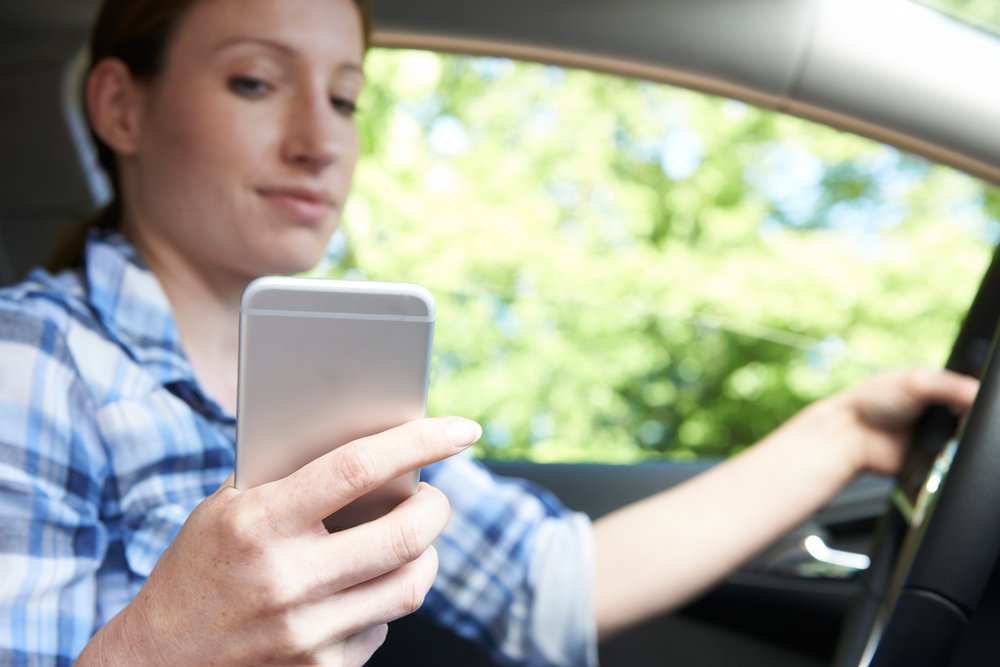
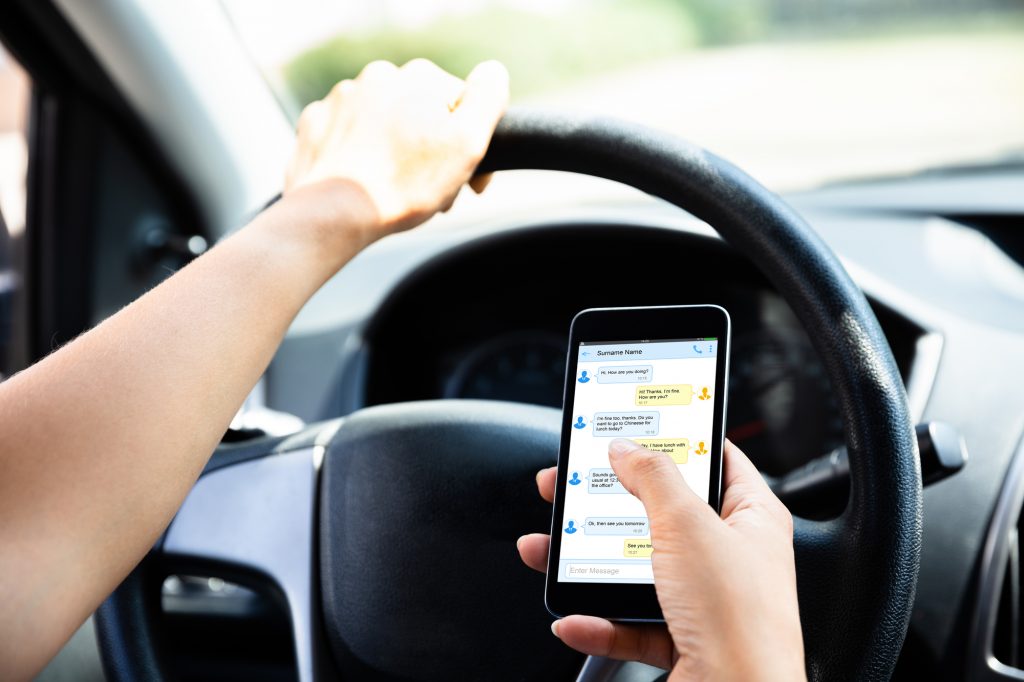
Drivers are more likely to handle their phones as they exceed the speed limit, combining two high‑risk behaviours that significantly increase crash risk, according to a new study from the Insurance Institute for Highway Safety.
“Until now, safety experts believed drivers used their cellphones most at slower speeds,” said IIHS president David Harkey. “But data from insurance companies’ safe‑driving apps show that, in free‑flowing traffic, the opposite is true.”
Using cellphone data drawn from insurance telematics apps, IIHS found that excluding time spent stopped or driving on small neighbourhood streets, phone handling increased as drivers travelled further above posted speed limits. On limited‑access roads such as freeways, the share of driving time spent handling a phone rose 12 per cent for every five miles per hour over the limit. On other roads, including arterials and routes connecting towns, phone handling increased three per cent for every five miles per hour over the limit.
The relationship was strongest on roads with higher posted speeds. On limited‑access roads with 70 mph limits, phone handling increased nine per cent more for every five mph over the limit than on similar roads posted at 55 mph. On non‑freeway roads, phone handling rose more sharply on roads posted at 45 to 55 mph than on those posted at 25 or 30 mph.
“It’s alarming that the relationship between cellphone manipulation and speeding was the strongest on roads with the highest speed limits,” said Ian Reagan, IIHS senior research scientist and author of the study.
Reagan said several factors may be driving the pattern, including risk‑taking behaviour among drivers who are more likely to both speed and use phones, stress during rush hour or school drop‑off periods, and road cues such as lighter traffic, fewer pedestrians or longer distances between stoplights.
Previous studies suggested drivers were more prone to distraction at lower speeds or in simpler traffic settings, but those analyses were often limited in scope. Many relied on small volunteer samples or combined time spent driving with time stopped in traffic. The new study benefits from more granular data made possible by the widespread use of safe‑driving apps, which track speed, location, phone use and driving events using smartphone sensors.
For the study, IIHS researchers analyzed nearly 600,000 trips taken between July and October 2024. Drivers were counted as handling their phones when the device’s gyroscope detected significant movement while the screen was unlocked. Speeding was measured by matching GPS data to posted speed limits.
IIHS said the findings could help guide enforcement strategies. Pairing anti‑speeding and anti‑distracted‑driving efforts may be more effective than tackling either behaviour alone, particularly on higher‑speed roads. However, traditional cellphone enforcement methods are harder to apply on highways, bolstering the case for safety cameras capable of detecting both speeding and phone use.
While earlier research shows safe‑driving apps can reduce risky behaviour by offering insurance discounts, IIHS noted that incentives alone are not eliminating the problem.
“Speeding and distracted driving together are especially dangerous,” Harkey said. “This research shows the risk is greater than we once thought, but it also points to an opportunity to address both problems at the same time.”
Image credit: Depositphotos.com



Leave a Reply