
Culture, trust at risk as AI reshapes work
Share

View the latest digital editions of all of our publications or head straight to the archives

Share
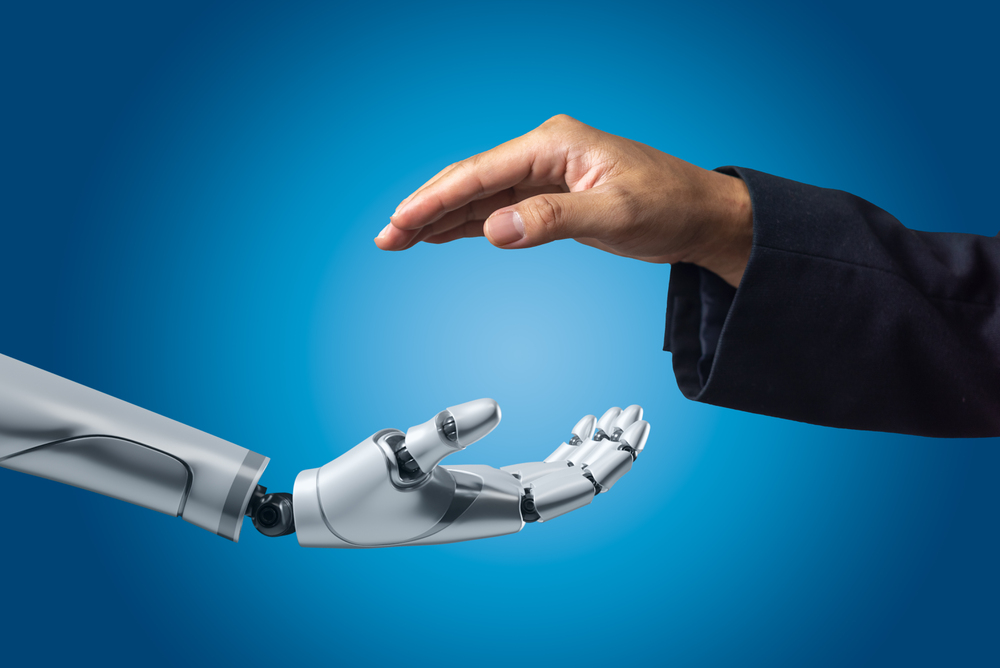
As artificial intelligence moves from pilot projects into everyday decision‑making, organizations are reaching a critical tipping point where how they redesign work, governance and culture will determine long‑term success, according to Deloitte’s 2026 Global Human Capital Trends report.
The report, From tensions to tipping points: Choosing the human advantage, finds many organizations are under sustained strain at the same moment they need greater speed, resilience and reinvention. Deloitte says rising trust concerns, cultural friction and what it calls “culture debt” — the accumulated consequences of neglecting workplace culture — risk slowing transformation if not addressed alongside AI adoption.
The study shows workers are facing unprecedented levels of change. One‑third of respondents experienced 15 major organizational changes in the past year alone, contributing to fatigue, reduced clarity and engagement challenges. Yet only 27 per cent of leaders said their organizations manage change well. Deloitte argues that the traditional “change management” model is no longer sufficient and urges leaders to shift toward “changefulness,” embedding continuous learning, feedback and real‑time support directly into work through tools such as AI.
“Organizations are facing a new reality. Change is relentless and the old playbook can’t keep up,” said Simona Spelman, U.S. human capital leader at Deloitte. “Leaders need to build adaptability into how work gets done so that their people have clarity, trust and the support to evolve with AI and the shifting demands of work. That’s how the human edge becomes a competitive advantage.”
The report also highlighted growing gaps in trust and accountability as AI becomes embedded in hiring, performance management and day‑to‑day decisions. While 60 per cent of executives said they use AI in decision‑making, only five per cent believe it is well managed. More than half of leaders design AI primarily for business outcomes, while only 40 per cent consider both business and human outcomes. Culture is increasingly seen as a constraint, with 34 per cent of organizations saying it is inhibiting AI transformation and 42 per cent of workers saying their employers are not evaluating AI’s impact on people.
“The real transformation isn’t adding humans and machines together, it’s redesigning work with clear decision rights and trust thresholds,” said David Mallon, U.S. human capital head of research and chief futurist at Deloitte. “Without that design, AI can create confusion and culture debt just as quickly as it scales productivity.”
Deloitte also points to structural challenges within traditional corporate functions. Areas such as HR, finance, IT and legal were built for efficiency and control, often in silos that now impede collaboration. Two‑thirds of C‑suite leaders said traditional functions must change, yet only seven per cent reported progress. The gap is becoming more problematic as seven in 10 leaders said speed and agility will be their primary competitive strategy over the next three years.
“HR’s future hinges on helping the organization operate differently,” said Kyle Forrest, U.S. future of HR leader at Deloitte. “As work becomes more dynamic and skills‑based, HR has a chance to lead a shift away from rigid functional silos toward a model where expertise moves to the work and learning is continuous.”
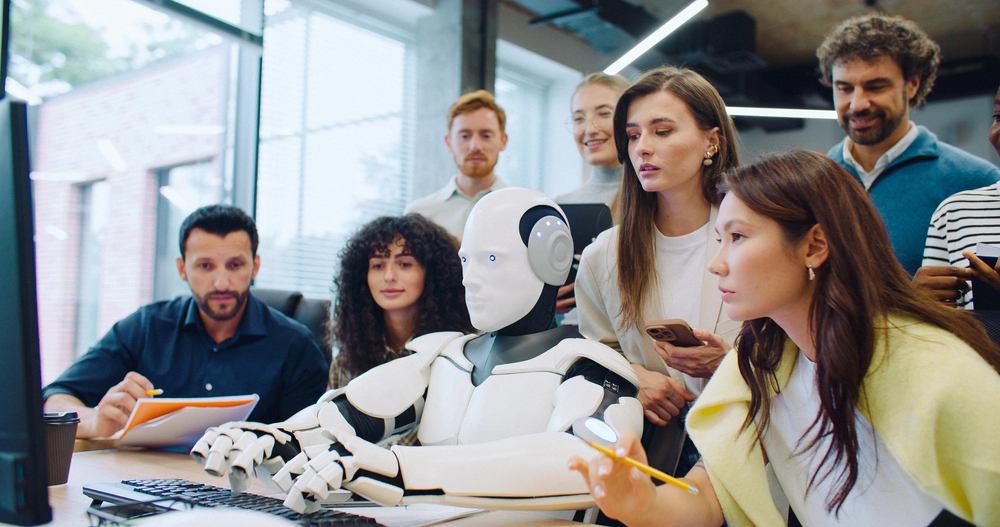
Deloitte further noted that organizations that intentionally design how humans and AI interact, while investing in trust, culture and skills, will be better positioned to turn rapid change into a durable advantage.
Image credit: Depositphotos.com






Leave a Reply