
How a leadership gap holds back shops
Share

View the latest digital editions of all of our publications or head straight to the archives

Share
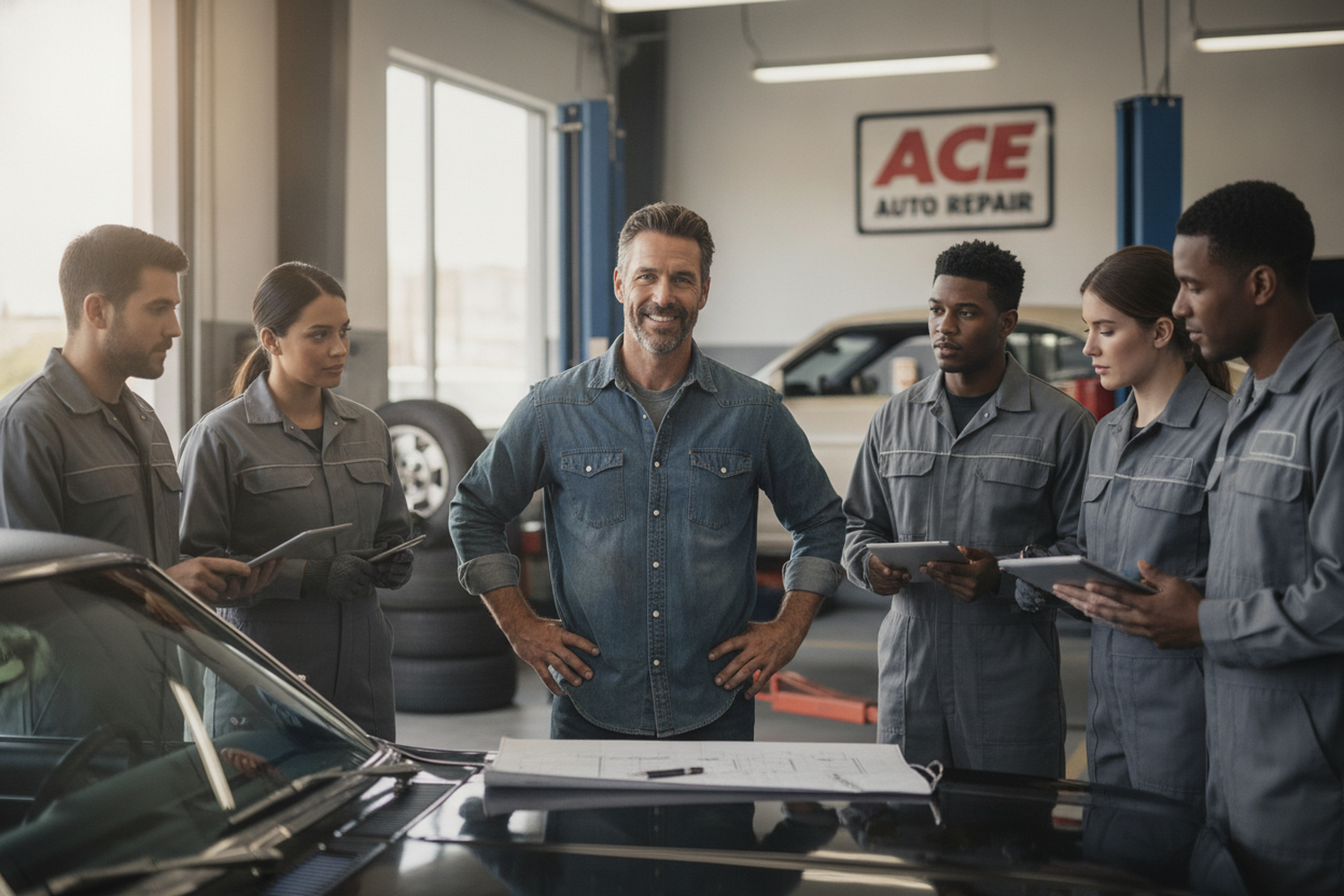
Many independent auto repair shops are being limited by a leadership gap as owners struggle to shift from working as technicians to managing and growing their businesses, an industry conference heard.
Murray Voth, president of RPM Training, told delegates that many shop owners remain too emotionally and operationally tied to the day‑to‑day repair work, which affects decision‑making, delegation and staff development.
“I would suggest separating themselves emotionally from the company,” Voth said during AIA Canada’s National Conference.
He said owners often fall into the trap of believing they are the only ones capable of solving problems in the shop, which prevents them from training others or stepping back into a management role.
“You can’t leverage a shop if you think you’re the best technician,” he said.
Voth said this mindset leads to owners avoiding key leadership responsibilities, including planning, delegation and people management. He noted that many shop owners are uncomfortable running staff meetings or speaking in front of their teams.
“Eighty to 90 per cent of shop owners that I meet, the thought of running the staff meeting makes them have an anxiety attack,” he said. “We need to learn how to speak and lead.”
The lack of leadership structure often shows up in weak onboarding and training practices, Voth said. New technicians are frequently expected to figure things out on their own rather than being developed through a formal process.
“There is a way of proactively developing people and not expecting them to learn my osmosis,” he said.
Voth also said emotional attachment to the business can lead owners to make poor financial decisions, including discounting work or failing to enforce policies.
“They fall for the begging for a discount from this customer,” he said. “As opposed to just [telling the customer] ‘This is what we do.”
Voth argued that shop owners need to view themselves first as business operators, even if they continue to work on vehicles in smaller operations.
“I really lean towards being the owner,” he said. “Start as a business owner/manager [and] work on the business.”
He added that when owners remain too focused on the technical side, they risk creating instability that affects staff retention and long‑term profitability.
“People want to work in a place that’s successful,” Voth said. “There’s a clear directive there. People feel safe working there.”
Image credit: Depositphotos.com








Leave a Reply