

AI boosts productivity but may be weakening workplace connections
Share

View the latest digital editions of all of our publications or head straight to the archives

Share
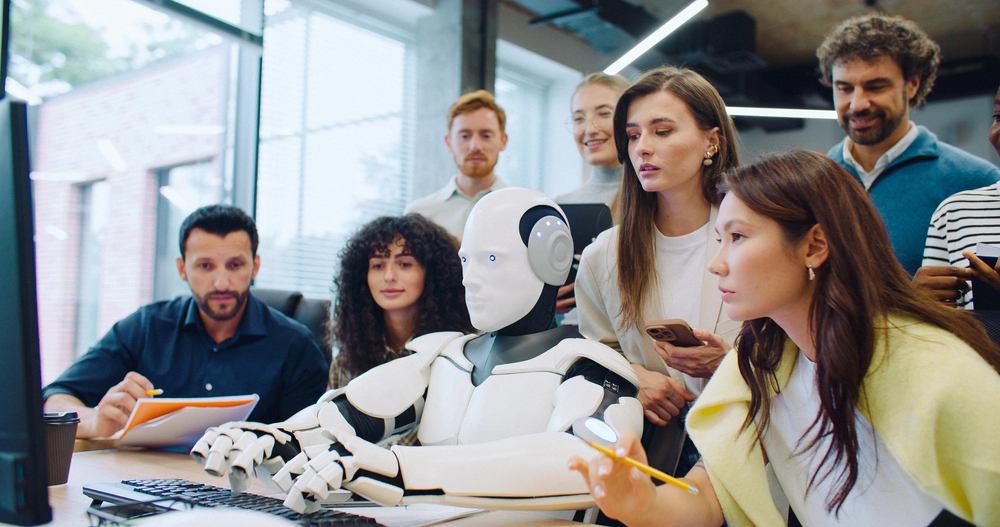
Artificial intelligence is helping employees become more productive and reducing burnout, but growing reliance on the technology may also be contributing to weaker workplace relationships, according to new research from Workday.
The company’s Human Connection Workplace Index surveyed 2,150 AI users working at large organizations across multiple industries and countries. The findings pointed to delivering measurable workplace benefits from AI but concerns are emerging about its effect on social connection and collaboration.
Among the most positive findings, 62 per cent of respondents said their stress or burnout risk has declined since they began using AI tools, while 86 per cent reported feeling more productive. Nearly two-thirds, 64 per cent, said AI has increased their confidence in their ability to succeed in future roles.
The research found many employees are using AI to handle routine tasks, allowing them to spend more time on higher-value work and strategic activities.
However, the study also pointed to what Workday describes as a growing “connection deficit” in the workplace.
One-third of respondents said they rarely or never have conversations with colleagues that extend beyond work-related tasks, while fewer than half said it is easy to make friends at work. Fourteen per cent reported taking time off during the past year because of loneliness or social isolation.
The effects appear particularly pronounced among younger workers. Twenty per cent of Gen Z respondents said they had taken time off work because of loneliness, and the study found Gen Z employees were significantly more likely than older generations to report feeling disconnected from colleagues.
The report suggests that AI is increasingly filling roles traditionally occupied by human interactions. Two-thirds (67 per cent) of respondents said they have used AI tools for advice, 52 per cent for brainstorming and 37 per cent for companionship. Some users cited AI’s availability and non-judgmental nature as reasons for turning to technology instead of coworkers.
In addition, 16 per cent said they have become less patient with small talk since adopting AI tools, suggesting technology may be influencing workplace communication habits.
“We are seeing that AI is having a very positive effect on productivity at work, and employees across all industries globally are clearly telling us they feel less burned out than before they started using AI tools,” said Carrie Varoquiers, chief impact officer at Workday.
“But our Index cautions that, as we route more questions, ideas, and even conflicts through AI, we risk losing the everyday human interactions that build trust, resilience, and a sense of connection.”
The findings come as employee engagement remains a major concern for employers. Respondents identified reduced human interaction as a larger concern than job loss when asked about the risks associated with AI. Forty-three per cent said fewer person-to-person interactions represented their biggest worry about workplace AI adoption.
Workday said organizations should treat social connection as a critical component of workplace infrastructure, emphasizing mentorship, collaboration and relationship-building alongside technology deployment. The company recommends tracking how AI affects trust, belonging and teamwork to ensure technology augments rather than replaces human interaction.
Image credit: Depositphotos.com






Leave a Reply