

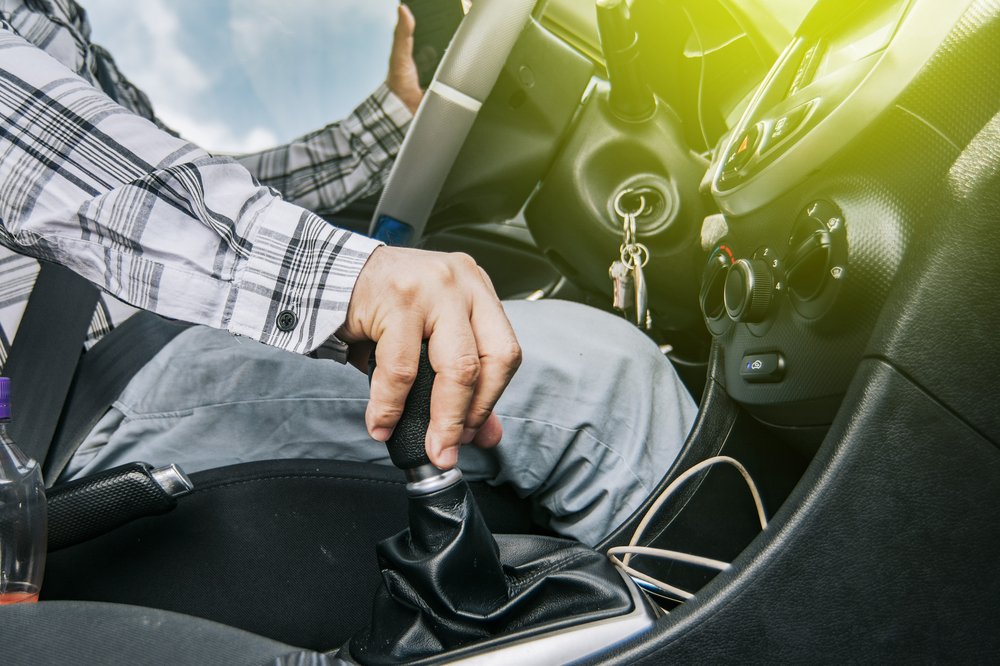
A new study from CAA and conducted by the University of Saskatchewan has found that consuming cannabis edibles significantly impairs critical driving skills among young drivers, including reaction time, lane discipline and speed control.
The research focused on drivers aged 19 to 30, a demographic with the highest crash rates in Canada.
Impairment was most evident 90 minutes after consumption, when effects may not be noticeable until a driver is already behind the wheel. Only four per cent of participants felt safe to drive at that point.
“This study marks an important first step in understanding how cannabis edibles impact driving performance,” said Michael Stewart, community relations consultant for CAA South Central Ontario. “Too often, decisions about whether someone is fit to drive are made in the moment, relying on judgment rather than evidence.”
While controlled testing showed drivers felt unsafe, CAA’s survey of 1,510 Ontario motorists found a confidence gap. Nearly 20 per cent admitted to driving under the influence of cannabis, and 78 per cent of those said they felt confident in their abilities, a 13-point increase since 2021. More than a third acknowledged feeling high while driving, relying on personal judgment for signs of impairment.
“This misplaced confidence can lead to dangerous decisions, increasing the risk of collisions and endangering road users,” Stewart said. He added that cannabis-impaired driving should be treated with the same seriousness as alcohol impairment.
The study also flagged a growing trend of poly-use, with 57 per cent of respondents consuming cannabis alongside other substances, most commonly alcohol. Use of painkillers, psilocybin, ecstasy and MDMA is also rising, compounding impairment risks.
CAA said it will continue to advocate for safer roads, urging drivers not to get behind the wheel when impaired.
“Cannabis can be consumed legally and responsibly but should never be used when driving,” Stewart said.
Image credit: Depositphotos.com






Leave a Reply