

How the changing EV market will impact the industry
Share

View the latest digital editions of all of our publications or head straight to the archives

Share
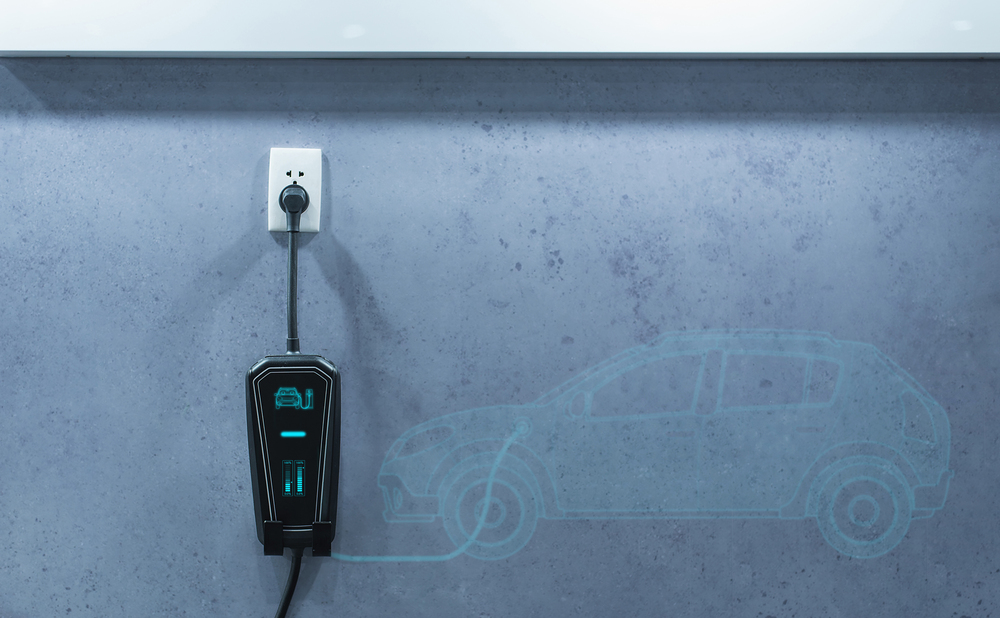
With electric vehicle sales down, the impact will be felt for the broader light‑vehicle market and have a clear knock‑on effect for the aftermarket.
Lang Marketing analyzed the impact of EV sales decline following depreciation, fading incentives and weaker leasing economics weighed on demand. Other signals like automakers discontinuing EV models, alongside a shift in resources toward AI and robotics, indicate a longer‑term cooling in the EV market.
A central issue is depreciation. While EVs have often been marketed as cheaper to own due to lower fuel and maintenance costs, Lang noted that depreciation remains the largest cost of vehicle ownership. In 2025, EV values dropped sharply, compounding losses from the year before and outpacing depreciation for ICE vehicles. The firm expects elevated EV depreciation to persist.
Lang pointed to several drivers behind the slide. Automakers and dealers have cut new EV prices to clear inventory, a move that immediately pressures residual values. As EVs age, they also face what Lang described as “technology depreciation,” with older models falling behind newer offerings. At the same time, concerns over range, charging times, infrastructure gaps, insurance costs and operating issues are dampening used‑market demand, further pushing prices down.
The impact has been especially severe in leasing. EV leasing, which helped fuel early adoption, has been hit hard as falling residual values drive up lease costs. Some automakers have reportedly had to compensate leasing partners for unexpected losses on returned vehicles.
The removal of incentives has also reshaped the purchase market. Lang estimates that by the fourth quarter of 2025, EVs’ share of new‑vehicle sales had fallen about 40 per cent. Average new EV transaction prices rose by nearly one‑fifth, and the pace of EV leasing dropped more than 40 per cent. Lang says these shifts will act as sustained headwinds for both new and used EV sales for years.
For the aftermarket, the consequences are material. Lang argued the EV slowdown is not a short‑term pause but a longer‑lasting adjustment. Meanwhile, ICE vehicles, including hybrids, are expected to retain a dominant share of car and light‑truck sales longer than previously anticipated.
That dynamic favours the traditional aftermarket, Lang said. Without EVs rapidly expanding their share, ICE vehicles will continue to dominate the older age bands of the vehicle parc, where parts consumption is highest. Lang projected that the ICE aftermarket will continue to grow in product volume for the foreseeable future, supported by aging vehicles and sustained repair and maintenance demand.
Image credit: Depositphotos.com
Leave a Reply