


The challenges as parts proliferation accelerates even faster
Share

View the latest digital editions of all of our publications or head straight to the archives

Share
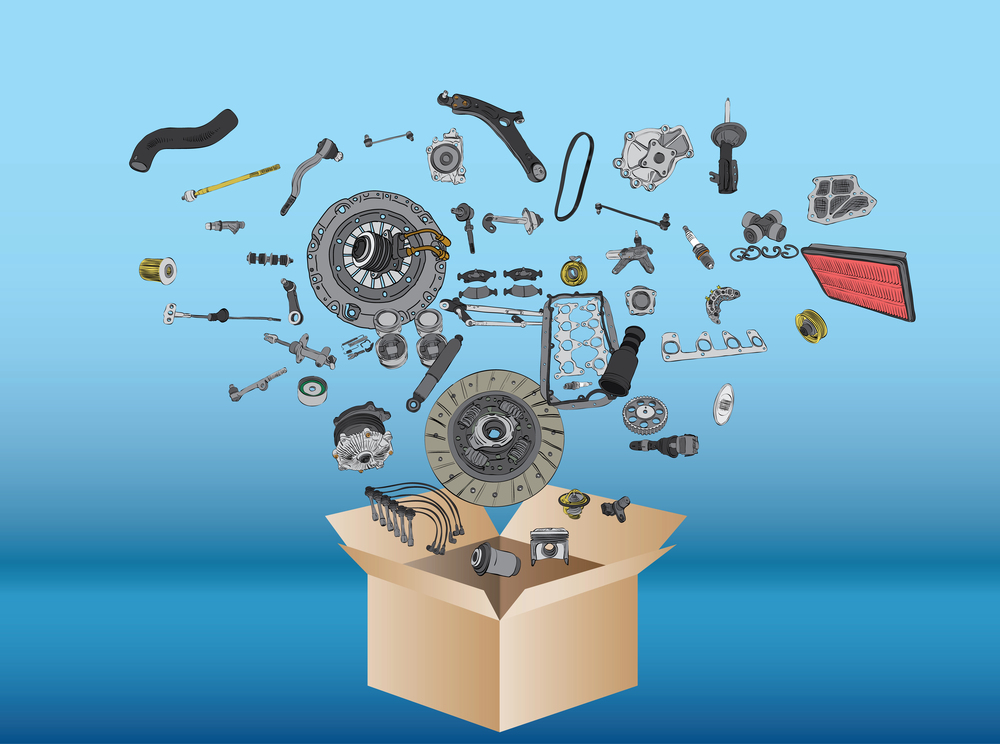
The automotive aftermarket is facing an explosion in parts proliferation as vehicle complexity, aging vehicles and shifting repair demand force distributors, retailers and repair shops to manage a rapidly expanding range of products, according to new analysis from Lang Marketing.
The breadth and depth of parts needed to service today’s vehicle parc is increasing at an unprecedented pace and will continue accelerating through 2030 and beyond, the group said. The trend is expected to create major operational and inventory challenges for brick‑and‑mortar aftermarket businesses while boosting opportunities for e-commerce and online‑to‑offline repair models.
“Parts proliferation is growing exponentially across the light‑vehicle aftermarket,” Lang said, noting that the phenomenon is affecting both newer and older ends of the vehicle age spectrum simultaneously.
The report identified four main factors driving the shift: A surge in new vehicle models, increasing technology content in vehicles, changes in the age profile of vehicles in operation and a growing share of annual mileage being accumulated by older vehicles.
A major pressure point is the growing number of vehicle models entering the market, particularly hybrids and battery electric vehicles. Lang notes that from 2024 through 2026, the market is seeing one of the largest waves of new model launches in years, introducing entirely new categories of replacement parts and service requirements into the aftermarket.
At the same time, even existing vehicle platforms are becoming more technologically complex. The number of “smart parts” equipped with sensors or software has increased more than fivefold since 2016, according to Lang. The continuing rollout of advanced driver assistance systems is adding another layer of complexity, requiring aftermarket operators to stock a broader range of electronics‑related components.
The aging vehicle parc is compounding the issue. Weak new‑vehicle sales since 2020, combined with longer vehicle life expectancy, have pushed the average vehicle age to record levels. Vehicles older than 12 years are expected to be the fastest‑growing segment of the fleet through 2030. That means aftermarket businesses must continue carrying parts for older applications even as they add inventory for increasingly complex new models.
Lang says the mileage shift toward older vehicles further intensifies demand. Not only are aging vehicles growing in number, they are also being driven farther. As odometer readings climb, those vehicles consume more replacement parts per mile than newer vehicles, increasing inventory requirements across maintenance and repair categories.
Consumer behaviour is also affecting inventory mixes. As repair costs rise alongside vehicle age, motorists are becoming more price sensitive, increasing demand for “good, better, best” product offerings across different price points rather than premium parts alone. That trend is forcing distributors and repair businesses to handle a wider variety of brands and SKUs.
For traditional parts distribution networks, the trend presents mounting logistical challenges. Lang says maintaining instant part availability — long considered a key competitive advantage for brick‑and‑mortar distributors and service shops — is becoming increasingly difficult as inventory requirements expand.
The report noted that this environment could accelerate the growth of e-commerce and online‑to‑offline repair channels. As consumers and repairers become more accustomed to waiting a day or more for specialty parts, the speed advantage traditionally held by local distributors may weaken. E-commerce sellers, meanwhile, can bypass multiple distribution layers and potentially compete more aggressively on price.
Lang says this shift could be particularly important in the DIFM market, where online sourcing combined with local installation is expected to become more common as parts proliferation grows.
For aftermarket professionals, the report suggests inventory strategy and supply‑chain management will become increasingly critical competitive factors over the next decade. Businesses able to efficiently manage expanding SKU counts, growing technological complexity and broader pricing tiers may be better positioned as the market evolves.
Image credit: Depositphotos.com

LETS STOP THE MASSIVE INFLOW OF PARTS FROM CHINA….WE BRAG AND BOAST ABOUT OUR HUMAN RIGHTS AND FAIR WAGES TO OUR WORKERS AND YET WE BUY 75%OF OUR AUTO AND OTHER PRDUCTS FROM A LAND THAT USES FORCED LABOUR AND NO CONCERN FOR HUMAN RIGHTS . MY BUSSINESS OF 48 YEARS REMANUFACTURING AUTO PARTS HAS SUFFERED ENORMOUSLY OVER THE YEARS HAVE LAID OFF 40-50 OF MY WORK FORCE. I ALSO DISPLAY ON MY INVOICES A STICKER THAT SAYS “” NOT MADE IN CHINA”’….PROUDLY MADE IN CANADA…WOULD LIKE FOR YOU TO SEE IT.








Leave a Reply