
Workplace communication gaps undermine productivity
Share

View the latest digital editions of all of our publications or head straight to the archives

Share

As organizations invest in workplace technology and artificial intelligence, a more basic issue continues to undermine performance: Employees are missing critical information that affects how they work.
According to the Appspace2026 Workplace Experience Trends & Insights Report, nearly all employees surveyed (97 per cent) reported that failing to receive key workplace updates negatively impacts their work. Appspace described the trend as a growing “missed memo” economy, where information breaks down across teams, tools and systems.
“When organizations struggle to keep people informed, everything downstream suffers,” said Holly Grogan, president of Appspace. “This research makes it clear that companies can’t out‑innovate broken communication. When employees don’t trust they’re getting the right information at the right time, productivity, alignment and confidence in leadership all take a hit.”
Based on a survey of 1,000 full‑time employees, the report shows communication breakdowns are becoming common rather than exceptional. More than seven in 10 employees said they felt out of the loop on important workplace updates in the past year, and two‑thirds said poor communication and disconnected systems put their organization’s overall success at significant risk. Eighty‑one per cent said messages lack consistency across communication channels, a sharp increase from Appspace’s 2025 findings.
The consequences are tangible. Four in 10 (39 per cent) of employees said missing information increases stress, frustration or feelings of isolation, while an equal share reported mistakes, errors or overlooked tasks. Nearly three in 10 said their productivity suffers, and 26 per cent said communication breakdowns reduce their trust in leadership.
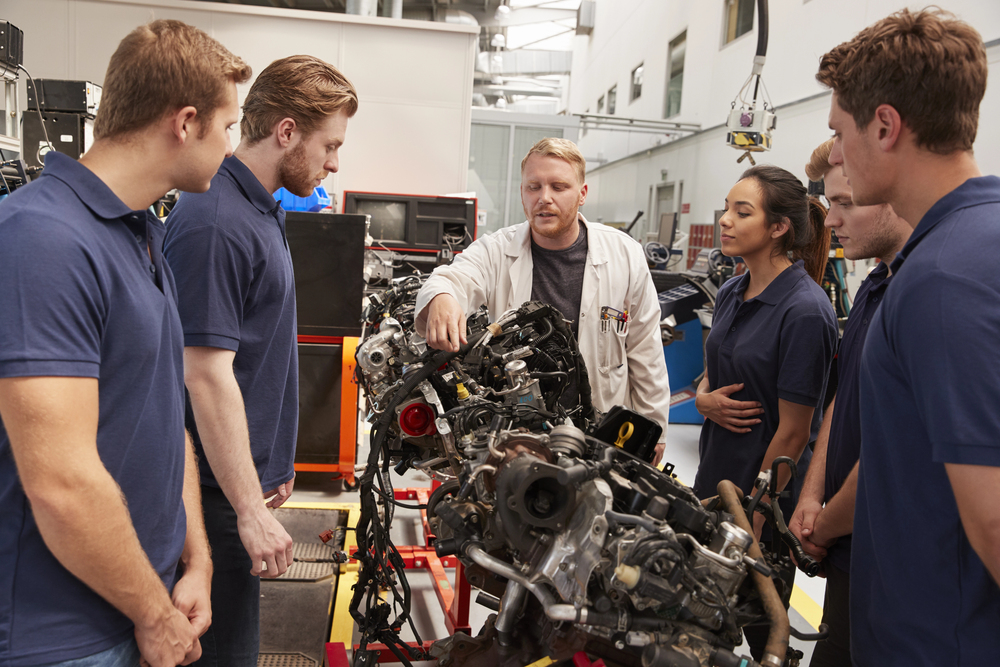
Younger workers feel the impact most acutely. Three‑quarters of Gen Z and Millennial employees said they regularly feel out of the loop, compared with 67 per cent of Gen X and baby boomers. Frontline employees are particularly exposed, with 84 per cent saying their organizations could do a better job providing consistent communication and 39 per cent reporting confusion or delays caused by inconsistent frontline messaging.
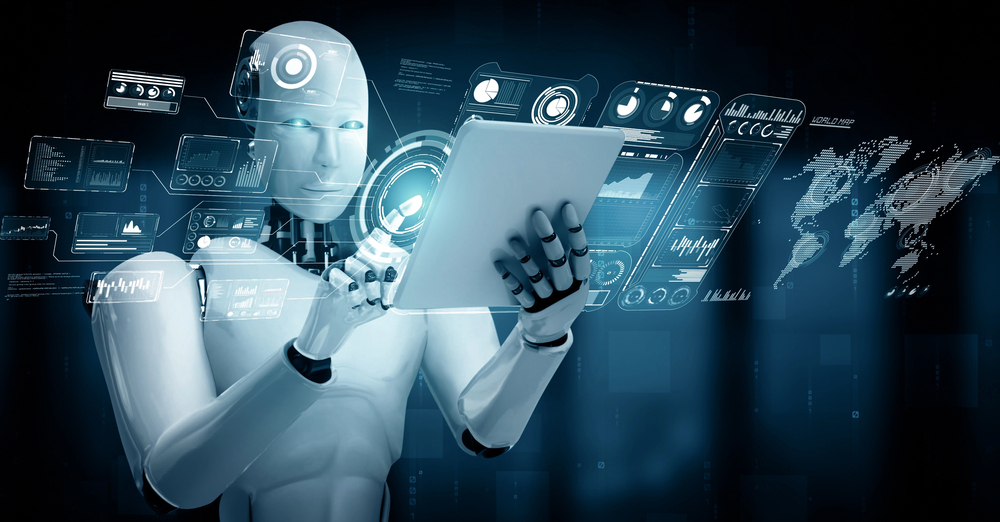
The findings also raise concerns about AI readiness. While AI is often promoted as a productivity catalyst, 87 per cent of employees said their organization will struggle to drive value from AI tools without a more connected workplace. Among those who said their employer is ineffective at keeping them informed, 78 per cent believe the organization could do a better job of sharing updates, and one‑third said they struggle to trust leadership and strategic direction.
At the same time, there is a clear upside: When employees are consistently kept informed, 91 per cent said they are more engaged and motivated in their work, highlighting communication as a foundational enabler of performance.
“AI may accelerate productivity, but only when it is built on a connected foundation,” Grogan said. “Without consistent communication across digital and physical workplaces, even the most advanced tools fall short.”
Image credit: Depositphotos.com






Leave a Reply