
The importance of self-taught skills in the workplace
Share

View the latest digital editions of all of our publications or head straight to the archives

Share

Self‑taught learning is rapidly reshaping resumes and hiring decisions across the workforce, as online tutorials and short‑form digital courses gain credibility but create new challenges for employers evaluating skills, according to a new survey.
Express Employment Professionals and The Harris Poll found that 74 per cent of job seekers and 71 per cent of hiring managers believe skills learned through informal online platforms are credible. Nearly half of job seekers, 47 per cent, now list self‑taught skills on their resumes, a shift that employers say is making assessment more complex.
The trend is strongest among younger workers. Two‑thirds of Gen Z respondents said they have taught themselves job‑related skills online, compared with 50 per cent of millennials, 35 per cent of Gen X and 20 per cent of boomers or seniors. Men are also more likely than women to include self‑taught skills on their resumes, at 53 per cent versus 40 per cent.
Despite growing acceptance, hiring managers remain divided on how much weight to give informal learning. More than half, 53 per cent, still prefer candidates with formal education. Another 29 per cent value formal and self‑taught skills equally, while 18 per cent now favour self‑taught learning. Job seekers are similarly split, with 24 per cent believing self‑taught skills help them stand out and 23 per cent worrying they may hurt their chances.
As skills are increasingly acquired through online videos, playlists and tutorials, employers say resumes alone are often insufficient. Ninety‑two per cent of hiring managers said demonstrating how skills were used, or how they would be applied, is more effective than reviewing a resume. Factors that boost employer confidence include demonstrated industry knowledge, clear explanations of skill application, completed work samples or assessments, and references.
Many organizations are already adapting. Half of hiring managers said their companies have updated hiring processes to better recognize and verify self‑taught skills, while another 35 per cent said changes are planned. Larger employers are leading the shift as they encounter higher volumes of candidates with non‑traditional learning backgrounds.
Artificial intelligence is accelerating the push toward self‑directed learning. Three‑quarters of job seekers said AI advancements make them more likely to pursue additional training. More than three‑quarters believe it is appropriate to learn professional skills using AI, including 27 per cent who say it is completely appropriate. Men reported greater willingness than women to pursue additional training and to endorse AI‑based learning.
“Self learning is opening doors for workers everywhere, but it also raises the bar,” said Bob Funk Jr., CEO, president and chairman of Express Employment International. “Job seekers must be ready to demonstrate their abilities right away, and employers should update their hiring practices to evaluate the skills people gain on their own. As self‑taught learning becomes more common, refining how to assess these skills will help employers make better, more confident decisions about the talent they bring on board.”
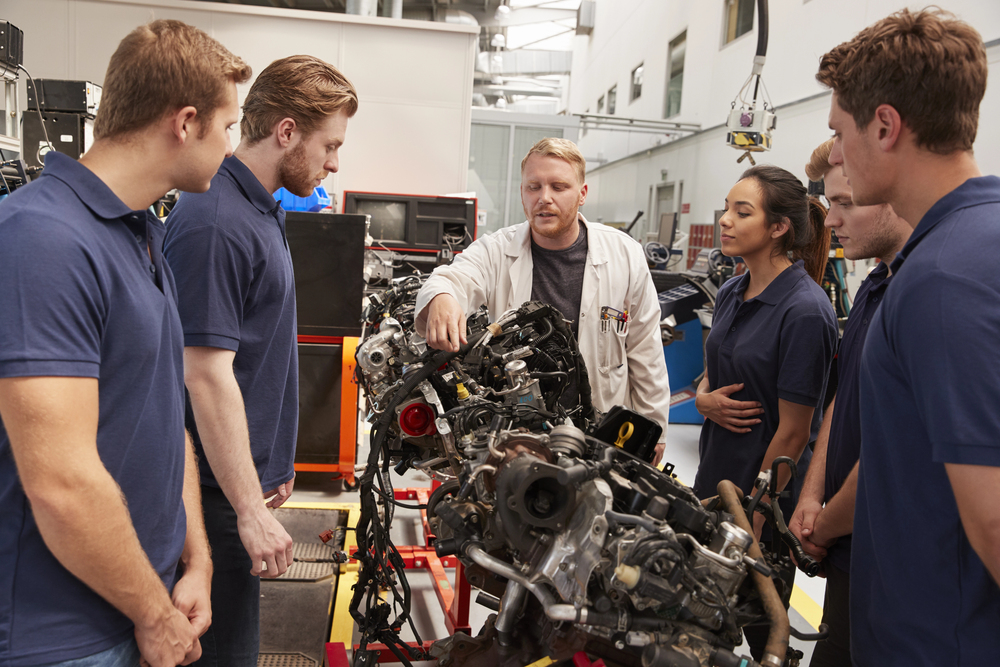
Image credit: Depositphotos.com







Leave a Reply