



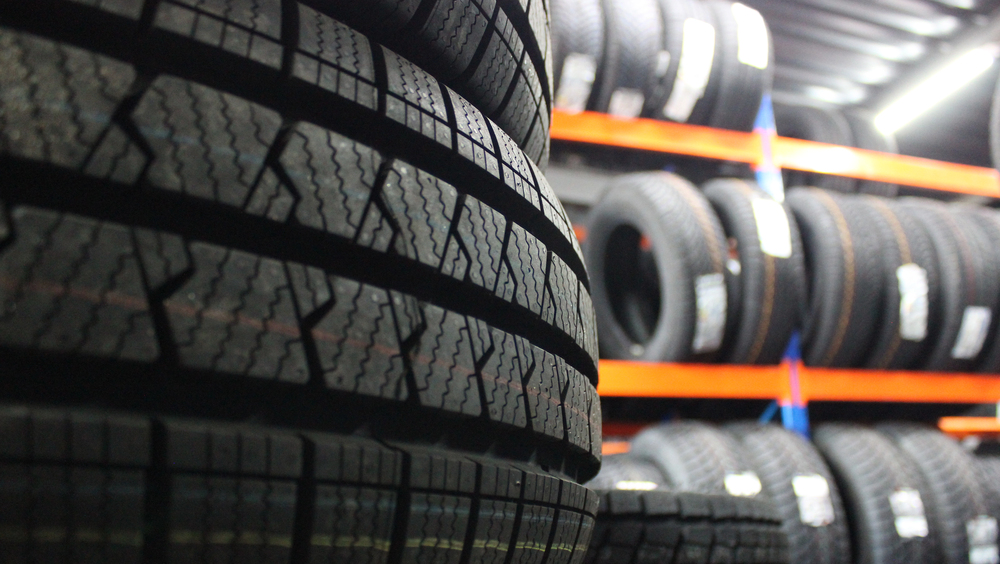
Customers in the market for new tires are oftentimes seeing sticker shock, pushing many drivers to stretch the life of their rubber and trade down to cheaper brands, raising questions about long term loyalty in the tire market.
Consumers are finding ways to delay or downgrade tire purchases as prices climb, observed Nathan Shipley, executive director and industry analyst in Circana’s automotive aftermarket practice.
When thinking about deferred maintenance, “if you think about some of the categories that you can stretch out, a set of tires is one of those,” he said at AAPEX 2025.
Circana asked drivers how they handled their most recent tire purchase. Half of respondents said they’re trying to stretch things further, whether that means stretching tires further than they normally would or buying two tires instead of a full set of four.
He said those answers point to clear efforts to cut costs on what many view as a major and infrequent expense.
According to Shipley, tire prices have risen far faster than wages in recent years. That increase is changing the way people shop across the tire segment. Circana groups brands into tiers, from top-end Tier 1 names to lower-priced Tier 4 offerings. Shipley said the data show a definite move away from the most expensive options.
“We’re seeing a definitive trade down happening,” with lower-tier brands picking up share as consumers look for savings, he said.
And the price gap between premium and budget tires has widened over the last handful of years.
“Let’s say you’re shopping for a Tier 1 and you’re comparing it to a Tier 4: The difference in price was around $9 a tire [back then]. And today, that price difference is around $130 a tire,” he said.
So the customer could be saving hundreds of dollars when looking at a full set.
“It’s a significant difference, even compared to a couple of years ago,” Shipley said.
He added that it will be important to watch what happens after consumers move down the price ladder. Many buyers who had long been loyal to higher-end brands are now choosing cheaper options because of current economic pressures.
“What’s going to be fascinating to watch is for those consumers that have chosen to trade down,” Shipley said.
He wondered if there’s a positive experience with buying down in tires, will that translate to other product categories, such as wipers, batteries or oil. Higher-tier brands may find it difficult to win those customers back.
“If it’s good, that Tier 1 brand has lost their consumer for life,” he said.
Shipley described much of the current shift as situational, driven by the need to make budgets work in a period of higher costs. But he said it could have lasting effects if drivers decide the lower-priced products meet their needs.
“Some of this is not forced behaviour, but it’s kind of like an emotional decision … but I think the experience will be interesting to watch what happens with the same folks when they come back to buy tires in a few years.”
Image credit: Depositphotos.com
Related Posts




Comments
-
Tires are an easy one to combat this on. For one, we know that inexpensive tires wear quicker and provide lower ride quality and traction. These are simple and honest facts that anyone can understand – cheaper tires are more expensive in the long run through faster wear and higher fuel consumption.
But the ultimate solution to this is simple – dont offer junk for sale at your shop. Let others who want to deal with that clientele and the problems that arise from it have it.
-
I been in the tire industry since 1973 a lot has changed since then. However the tire industry is pricing it self out of a lot of consumers reach. As a retired person now I look for ways to stretch my dollar and three years ago I bought a cheap winter tire and thought well I will run them winter and summer until they need replacing , well 80,000 klm. Later they still have 4/32 left on them and have performed amazing so what 159,00 tire would have performed better???


Leave a Reply