


How affordability is reshaping Canadians’ vehicle choices
Share

View the latest digital editions of all of our publications or head straight to the archives

Share

Daily driving in Canada is rising, but the number of people who can afford to buy a vehicle is shrinking. That tension is shaping the future of the automotive market, with one industry observer warning young people may soon no longer be interested in owning a vehicle.
Deloitte’s automotive research leader Ryan Robinson told the AIA Canada National Conference that the long‑term outlook for new‑vehicle demand shows little sign of growth. Referring to market forecasts out to 2030, he said the data shows “the flatness of the overall demand curve,” adding that “we’re not seeing a lot of … significant organic growth in the Canadian new vehicle sales work.”
In other words, Canada may not grow much further than last year’s 1.9 million vehicle sales, despite a higher population.
That was a concern raised by DesRosiers Automotive Consultants in its end-of-year review.
“We will never complain at a market that grows from the previous year; however, this year our celebrations are decidedly muted,” it said before noting the country’s population grew by nearly five million people but new vehicle sales didn’t see similar proportional growth.
Consumers are also reporting deep financial strain. Drawing from Deloitte’s monthly consumer‑signals data, Robinson said about half of consumers “are concerned about the level of savings they have.” He added that about 20 per cent of consumers “are concerned about making upcoming payments,” while younger Canadians in particular are worried about rising credit card balances.
Affordability is weighing on vehicle choices more than ever. Robinson noted that about three out of four Canadians believe new vehicles are unaffordable.
Consumers have several options when faced with rising prices, but none are easy. Trading down into cheaper new vehicles is increasingly unrealistic.
“We as an industry have been hollowing out those more affordable, entry level vehicle segments for a long time,” Robinson said. He noted that some large manufacturers “don’t actually sell the passenger car at all,” leaving buyers with more costly light trucks.
The used market offers little relief. Robinson pointed to the pandemic‑era slump in new‑vehicle sales and said the vehicles that should now be feeding the used‑car pipeline didn’t sell. As those missing trade‑ins work their way through the cycle, he said there will be “a floor underneath used vehicle pricing.”
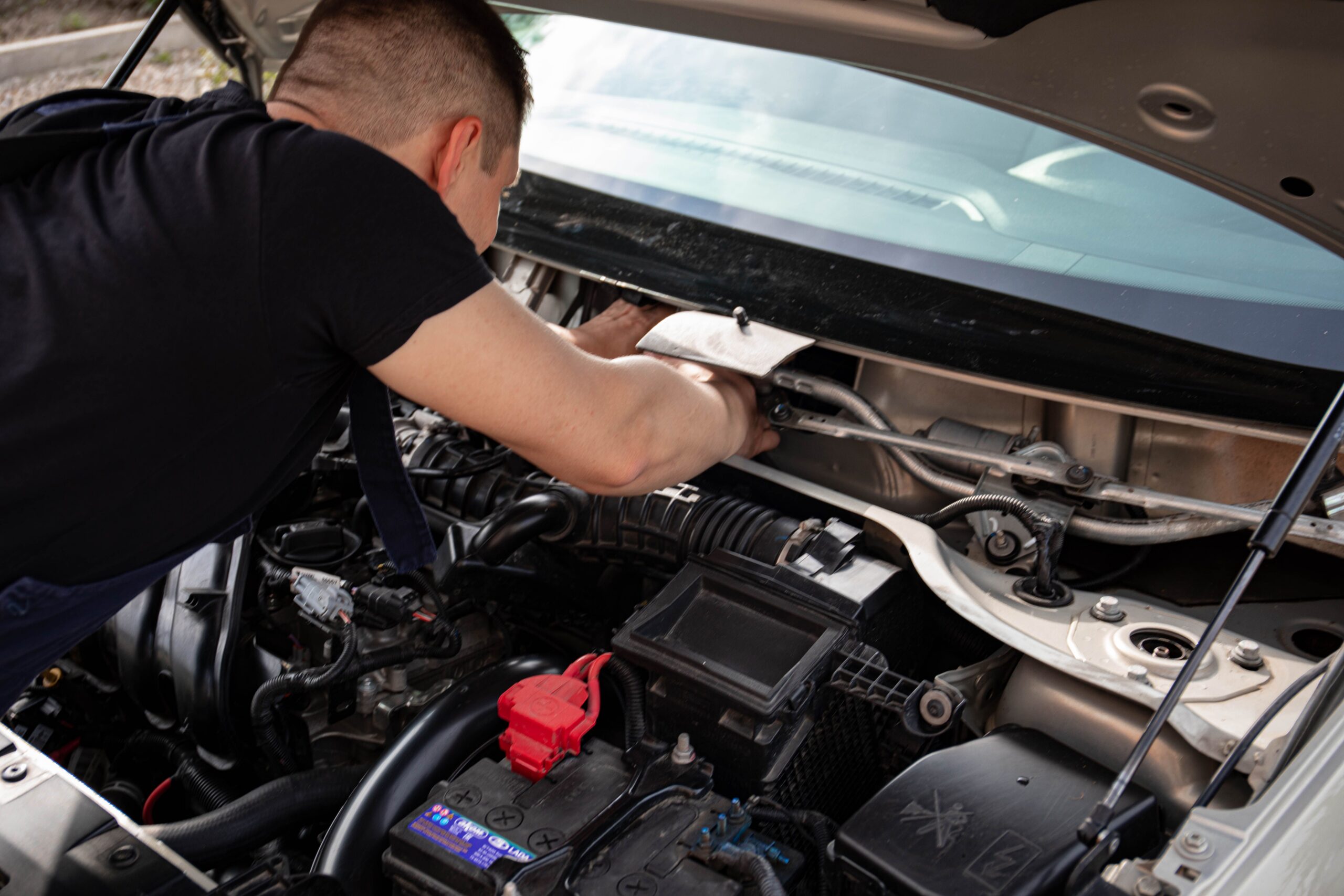
As a result, he said more Canadians are turning to the simplest option: Keeping vehicles longer. The average age of vehicles is about 10.5 years, meaning “that’s a lot of old vehicles on the road.”
Some young consumers are considering a more dramatic shift.
“Around 40 per cent of 18‑ to 34‑year‑olds” in Deloitte’s research are “actively considering not owning a vehicle going forward.” Rising costs for parking, insurance, maintenance and repair, combined with mobility‑as‑a‑service alternatives, are pushing many to reassess whether personal ownership is worth it.
Robinson said these pressures will continue to influence buying decisions, driving habits and long‑term vehicle use in the years ahead.






Leave a Reply