

Employee complaints rise as HR teams struggle to keep pace
Share

View the latest digital editions of all of our publications or head straight to the archives

Share

Workplace complaints and misconduct allegations continue to rise across organizations, while employee relations staffing remains largely unchanged, creating growing pressure on HR teams and increasing organizational risk.
According to HR Acuity’s latest Employee Relations Benchmark Study, which drew on data from 274 organizations representing nearly nine million employees, found employee relations case volumes reached 145.5 issues per 1,000 employees in 2025, just below the highest level recorded in the report’s 10-year history.
At the same time, allegations involving discrimination, harassment and retaliation climbed to a record 15.5 issues per 1,000 employees. HR Acuity said the increase reflects growing workplace complexity and places additional demands on employee relations teams responsible for investigations and case management.
Behavioral issues saw one of the largest jumps, increasing 30 per cent year over year to 29.2 cases per 1,000 employees. Performance-related issues also rose sharply, climbing 27 per cent from 2024 to reach 50.1 issues per 1,000 employees.
Organizations increasingly attribute the rise in workplace issues to external pressures. Three in five cited political tensions as a contributing factor, while 59 per cent pointed to mental health challenges and 55 per cent referenced broader societal crises. Social media-related employee relations cases nearly doubled over the past year, with 39 per cent of organizations reporting an increase compared with 22 per cent in 2024.
Despite growing workloads, staffing levels have not increased substantially. The employee relations staffing ratio rose only slightly, from 0.6 professionals per 1,000 employees to 0.68. Meanwhile, serious misconduct allegations have more than doubled since 2021. Only one-quarter of organizations indicated plans to hire additional employee relations personnel in 2026.
The report also highlights concerns around workplace data and investigation processes. Only 32 per cent of organizations track case substantiation by issue type, limiting their ability to identify patterns in complaints involving discrimination, harassment or retaliation. While the use of formal investigation procedures reached its highest level on record, 38 per cent of organizations still do not require a standardized investigation process.
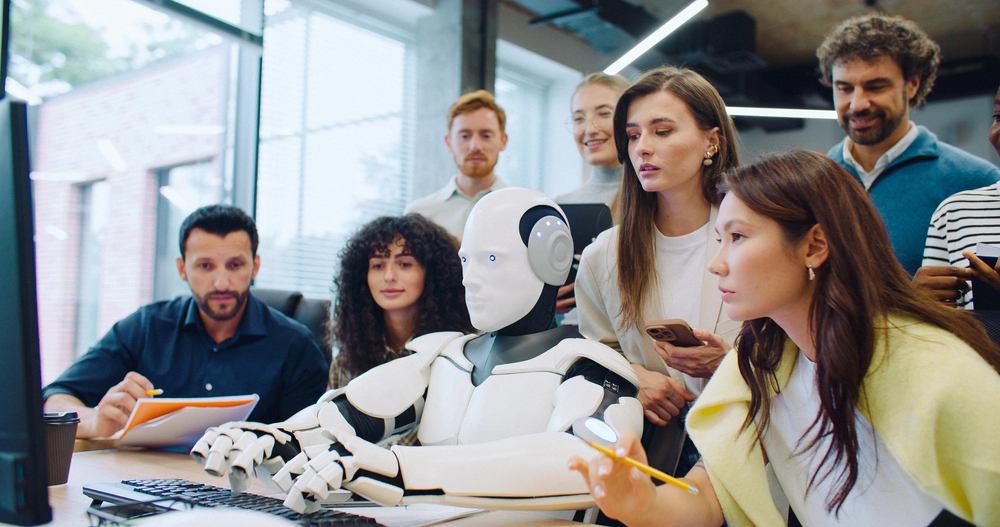
Artificial intelligence is also becoming a larger part of employee relations work. HR Acuity found that 70 per cent of teams are experimenting with or actively using AI tools. The most common uses include drafting investigation reports and summarizing interview transcripts, both requiring human review.
More advanced applications remain less common but are growing. One in five (21 per cent) of organizations reported using AI to analyze employee relations data and identify trends, up from just five per cent the previous year.
The technology is also changing the nature of complaints themselves. Respondents reported that employees are increasingly using AI tools to draft workplace complaints, resulting in more detailed submissions that often require additional investigative effort.
“Ten years ago, the challenge was establishing employee relations as a discipline. Today, the challenge is scale,” said Deb Muller, founder and CEO of HR Acuity. “Case volumes, misconduct allegations and workplace complexity continue to rise while team sizes remain relatively unchanged.”







Leave a Reply