
The key areas that will boost aftermarket demand
Share

View the latest digital editions of all of our publications or head straight to the archives

Share

An ageing vehicle population and a shift toward larger vehicles are expected to drive steady growth in the automotive aftermarket over the next decade, according to a new industry study.
Consultants with PwC Strategy& told attendees of the recent MEMA Aftermarket Suppliers Vision Conference that increasing vehicle age, combined with changing consumer preferences, is expanding opportunities for parts and service providers.
What’s not slowing down is average vehicle age, as it continues to increase, noted Akshay Singh, partner at PwC Strategy&, while presenting findings from the 2026 Landmark Study.
Average vehicle age, already at about 12.5 years in the U.S. and about 10.5 in Canada, is projected to rise further as affordability challenges push consumers to keep vehicles longer.
“It is expected to actually get to almost 13 years,” Singh said about U.S. numbers.
That trend means a growing share of vehicles will fall outside warranty coverage, creating more demand for independent repair and maintenance services.
“More than 70 per cent of the vehicles are going to be out of warranty,” he said.
At the same time, the total number of vehicles on the road is expected to increase, supporting long‑term aftermarket growth. The study forecasts the car parc will continue expanding steadily through 2035.
“The car parc is increasing, which is good,” Singh said.
Vehicle usage is also expected to rise as population and economic growth continue.
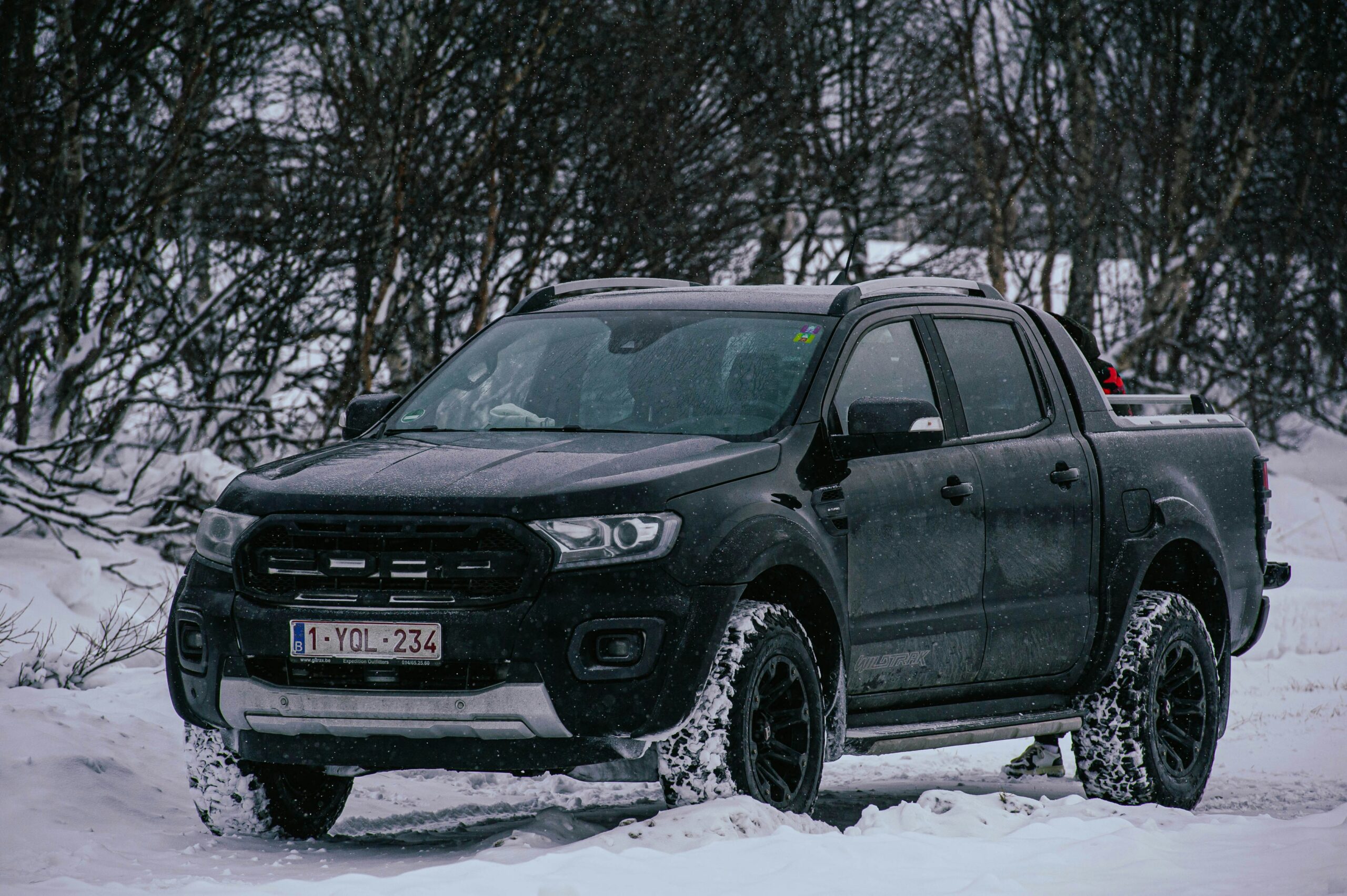
In addition to age and volume, changes in vehicle mix are influencing demand patterns. Singh said the long‑term shift toward larger vehicles accelerated during the pandemic, when limited supply led automakers to prioritize higher‑margin models.
“There’s a shift towards SUVs and larger vehicles,” he said.
That change is expected to increase demand for higher‑value components, including tires and advanced electronic systems.
“Higher ticket categories,” Singh explained, will see greater impact as a result.
The growing share of larger vehicles is also contributing to higher transaction prices for new vehicles, reinforcing the trend of consumers holding on to existing cars longer.
“It’s not only inflation,” Singh said. “Humans are also buying bigger vehicles.”
These combined factors — ageing vehicles, growing car parc and shifting vehicle mix — are creating a stable foundation for aftermarket expansion, even as other industry dynamics evolve.
“The underlying market is really… aging vehicles,” said Shrey Mohta, director at PwC Strategy&.
That dynamic supports a “resilient market” that is expected to grow steadily over the next decade.
“Good baseline and a resilient market,” was how Mohta summed it up.
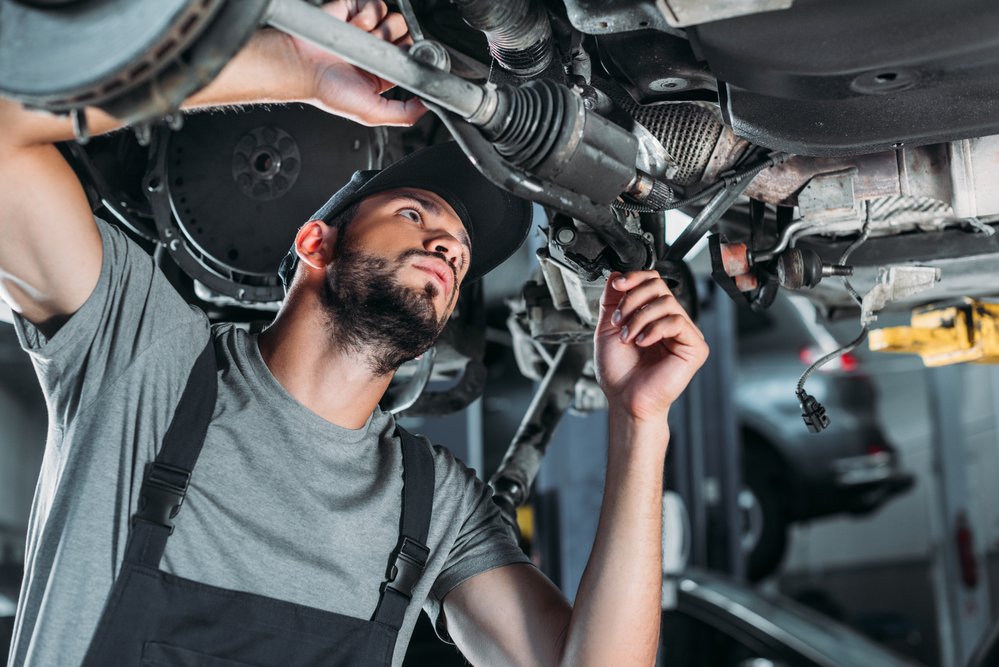
Image credit: Depositphotos.com




Leave a Reply