


Why Multi-Vehicle Pileups Require Extensive Forensic Reconstruction
Share

View the latest digital editions of all of our publications or head straight to the archives

Share
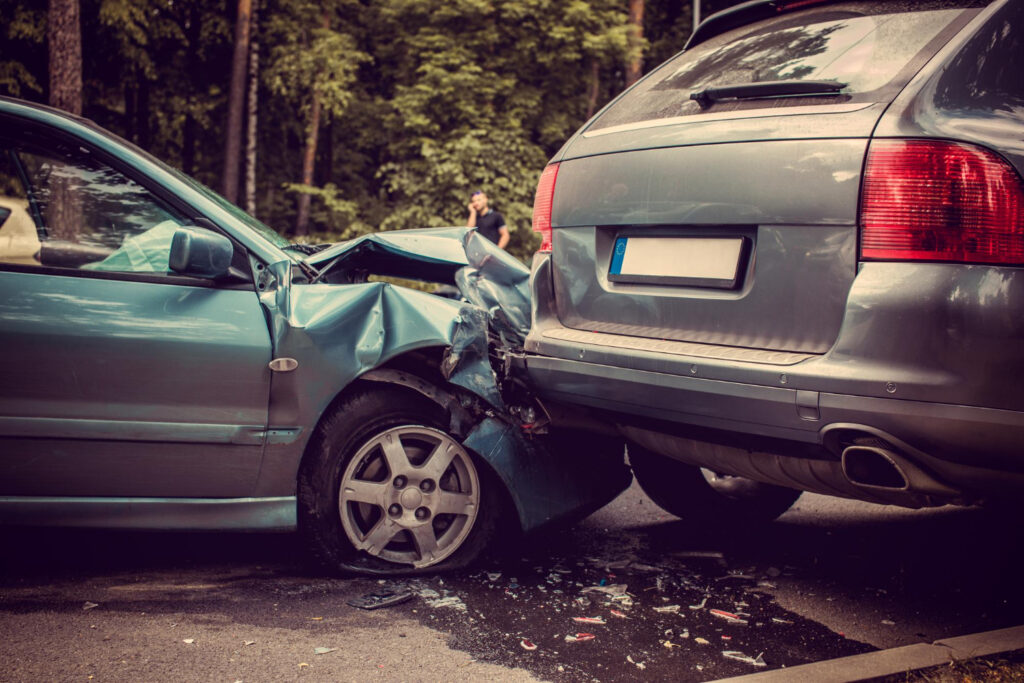
A high-speed highway pileup is a unique form of mechanical and human chaos that unfolds in a matter of seconds. It often begins with a single driver’s lapse in judgment, which triggers a “Chain Reaction” of unavoidable impacts behind them. As vehicles slam into one another at varying speeds, the highway transforms into a dense field of twisted metal and shattered glass.
The psychological toll on those involved is immense, as victims often feel like they were part of a disaster they had no power to prevent. In the confusion that follows, it is nearly impossible for individual drivers to keep track of the sequence of hits. This uncertainty creates a massive opening for insurance carriers to try and dodge their professional responsibilities.
Determining the true cause of a highway crash is a labor-intensive process that goes beyond the immediate wreckage at the scene. Highway accidents are chaotic, and getting to the bottom of what really happened can be challenging, especially when insurance adjusters try to shift blame to protect their bottom line. A thorough forensic investigation is the only way to establish the facts and secure justice for those affected.
Forensic reconstructionists start their work by distinguishing between the “First Impact” and the “Subsequent Impacts” that followed. The initial collision is the most important event because it sets the entire physics-based disaster into motion for the other drivers. If the first driver was speeding or distracted, they carry the primary legal burden for the chain reaction.
However, subsequent strikes must also be analyzed to determine if any other drivers were following too closely or failing to brake. A pileup is rarely a single legal event; it is a series of independent accidents occurring in the same location simultaneously. Dissecting these moments requires a methodical look at the damage patterns on every single vehicle in the chain.
By mapping the force and direction of each hit, experts can recreate the precise timeline of the disaster for the court. This analysis prevents the first negligent driver from blaming the chaos on the vehicles that arrived seconds later. Identifying the “spark” that started the fire is the most critical task in achieving a successful and professional recovery.
Modern technology has revolutionized how investigators map out large-scale debris fields following a massive highway incident. “Drone Photography” allows for a high-resolution aerial view that captures the final resting positions of every vehicle involved. These images provide a perspective that is impossible to gain from the ground level while traffic is being diverted.
“Laser Scanning” is another powerful tool that creates a three-dimensional model of the crash site with millimeter-level accuracy. This digital map records skid marks, fluid spills, and even the “crush depth” of the vehicles before they are towed away. This objective data serves as the foundation for a scientific recreation of the impact physics during the litigation.
Having this digital footprint ensures that the evidence is preserved long after the road has been cleared and repaired by the state. It allows the legal team to present a clear and undeniable visual narrative to the jury or the insurance adjuster. Technology removes the guesswork from the liability phase and focuses the discussion on the immutable laws of movement.
Summarizing the risks reveals why pileup victims should never speak to other drivers’ insurance companies until their own team has mapped the crash. These carriers are not looking for the truth; they are looking for any statement they can use to assign you a portion of the blame. A single misspoken word in the days after the trauma can be fatal to your claim.
A professional legal team acts as a shield, handling all communication and ensuring that your story remains consistent and protected. They manage the high volume of paperwork and the aggressive adjusters so that you can focus entirely on your physical recovery. This boundary is necessary for ensuring that you receive the maximum compensation allowed under the law.
Ultimately, seeking justice after a massive highway event requires a persistent and evidence-based approach to the litigation. You deserve to have the same level of technical expertise on your side as the corporations you are facing in the legal arena. High standards in investigation lead to more stable and successful outcomes for families seeking to rebuild their lives.



Leave a Reply