

Why Canadians still aren’t sold on autonomous technology
Share

View the latest digital editions of all of our publications or head straight to the archives

Share
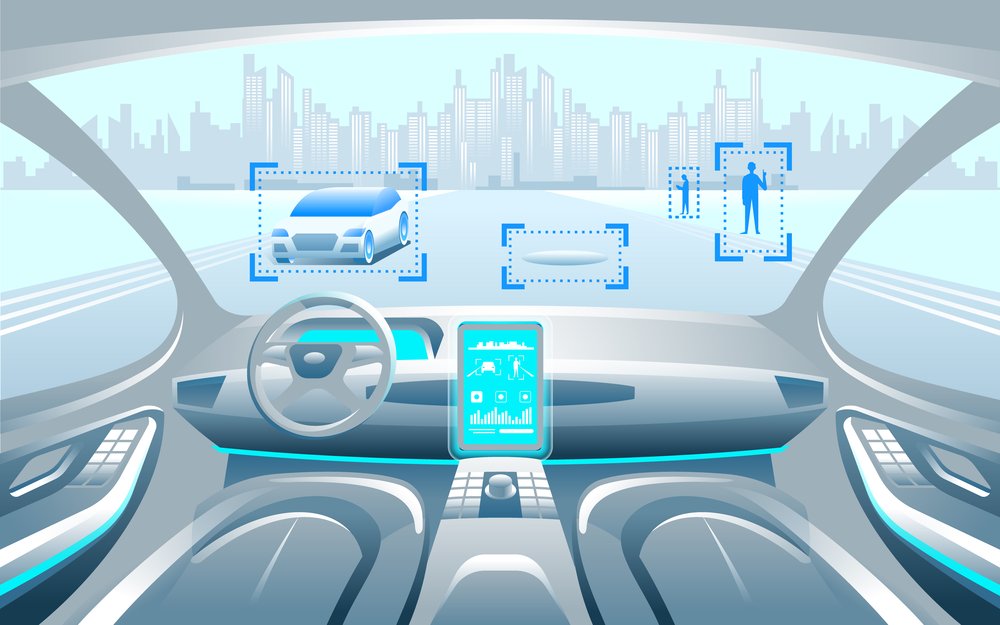
Canadians remain hesitant about autonomous driving technology despite the growing availability of hands-free and driver-assistance systems, according to a new survey from Rates.ca.
The research found that 13 per cent of Canadians would consider buying a vehicle with autonomous or hands-free driving features within the next two years, while 65 per cent said they are not interested in ownership.
The findings suggest concerns around safety, trust and affordability continue to outweigh interest in the technology even as advanced driver-assistance systems become more widely available.
“Most auto insurance today is still built around the driver,” said David Mayer, director of insurance and underwriting at Rates.ca. “As autonomous technology moves from driver-assistance features to more advanced systems, the insurance implications become more important.”
Among respondents not interested in autonomous vehicles, 61 per cent said they would not feel safe in one, while 51 per cent said the technology still feels too new. More than half, 52 per cent, expressed distrust of fully self-driving systems.
Cost also remains a major hurdle. Two in five respondents uninterested in autonomous vehicles cited price as a concern. Even among those open to buying one, nearly one-quarter said they would not pay extra for autonomous technology.
The survey also found that many Canadians still prefer driving themselves. Three in five respondents not interested in fully self-driving vehicles said they prefer to remain behind the wheel, particularly older Canadians.
Mayer said the insurance industry will need to adapt as automated systems take on more driving responsibilities.
“Questions around liability, vehicle data and claims handling are still evolving, especially as more of the driving task shifts from the driver to the vehicle,” he said.
Canada has been developing autonomous vehicle safety regulations since 2019, though terminology around “driverless” and “self-driving” vehicles has yet to fully align across regulators and industry stakeholders.
Mayer said one model under discussion would allow insurance policies to respond to both the driver and the automated system while responsibility is assessed using vehicle data.
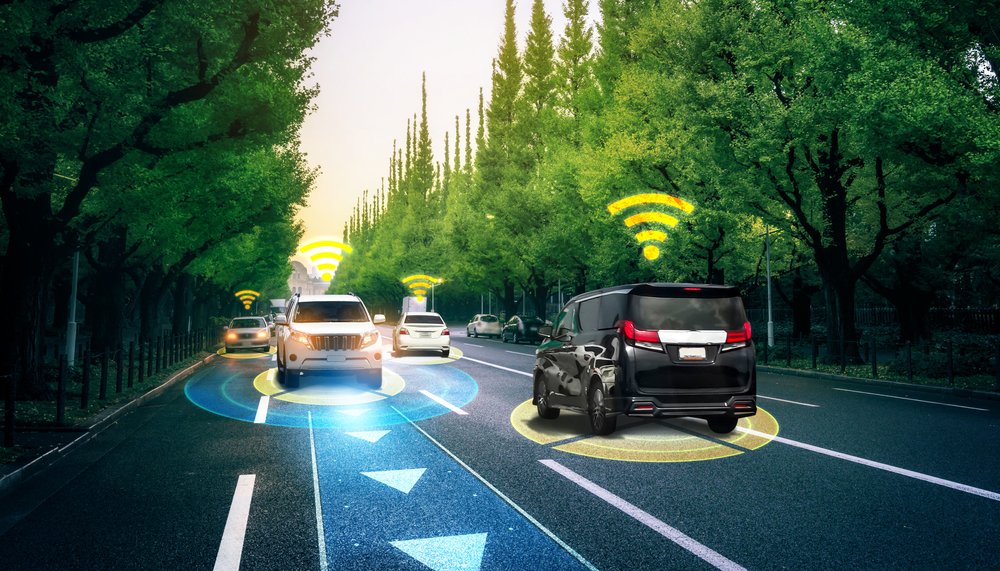
Image credit: Depositphotos.com

Leave a Reply