
Why auto dealers want EV mandate reset
Share

View the latest digital editions of all of our publications or head straight to the archives

Share
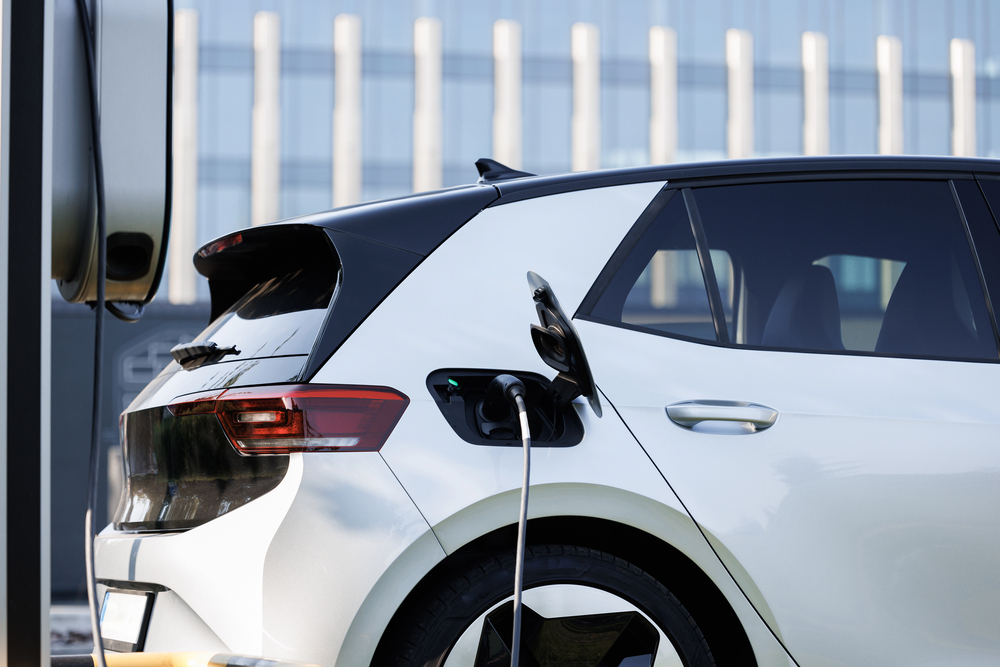
The Canadian Automobile Dealers Association is urging Ottawa to overhaul its zero-emission vehicle sales mandate, saying that the current economic climate doesn’t mesh with goals set years ago.
CADA, which represents 3,400 franchised dealers employing more than 178,000 people, said in an announcement last week that current targets are unrealistic and risk harming consumers, local businesses and the broader economy, adding that affordability has become the defining barrier to EV adoption. It noted that national data shows 67 per cent of Canadians expect to pay less than $500 per month for a vehicle, yet average payments have climbed to $770 for leases and $880 for loans. Rising tariffs and supply chain pressures are pushing costs even higher.
“The expectations set out in the ZEV mandate do not match what is happening in the marketplace,” said Tim Reuss, CADA president. “Continuing on the current path risks making vehicles even more expensive for Canadians and undermining the competitiveness of our sector.”
Dealers report uneven charging infrastructure and lower EV adoption in rural areas, compounding challenges.
“Current EV targets simply don’t reflect what we’re seeing on the ground,” said Charles Bernard, CADA’s chief economist. “Canadians are under growing financial pressure, and policy has to align with what consumers can actually afford.”
Recommendations presented to a federal committee include suspending the mandate until trade negotiations clarify tariff impacts, counting all hybrid vehicles toward future targets, excluding EVs and hybrids from the luxury tax, and creating a mechanism to prevent companies without Canadian manufacturing or dealer presence from profiting through credit sales. CADA also called for a single harmonized framework with B.C. and Quebec.
“As economic conditions tighten, Canadians are becoming more cautious with major purchases, and we are seeing that reflected in EV demand,” Reuss said. The association says it remains committed to working with government and industry on a revised approach that supports consumers and reflects market realities.
Image credit: Depositphotos.com




Leave a Reply