

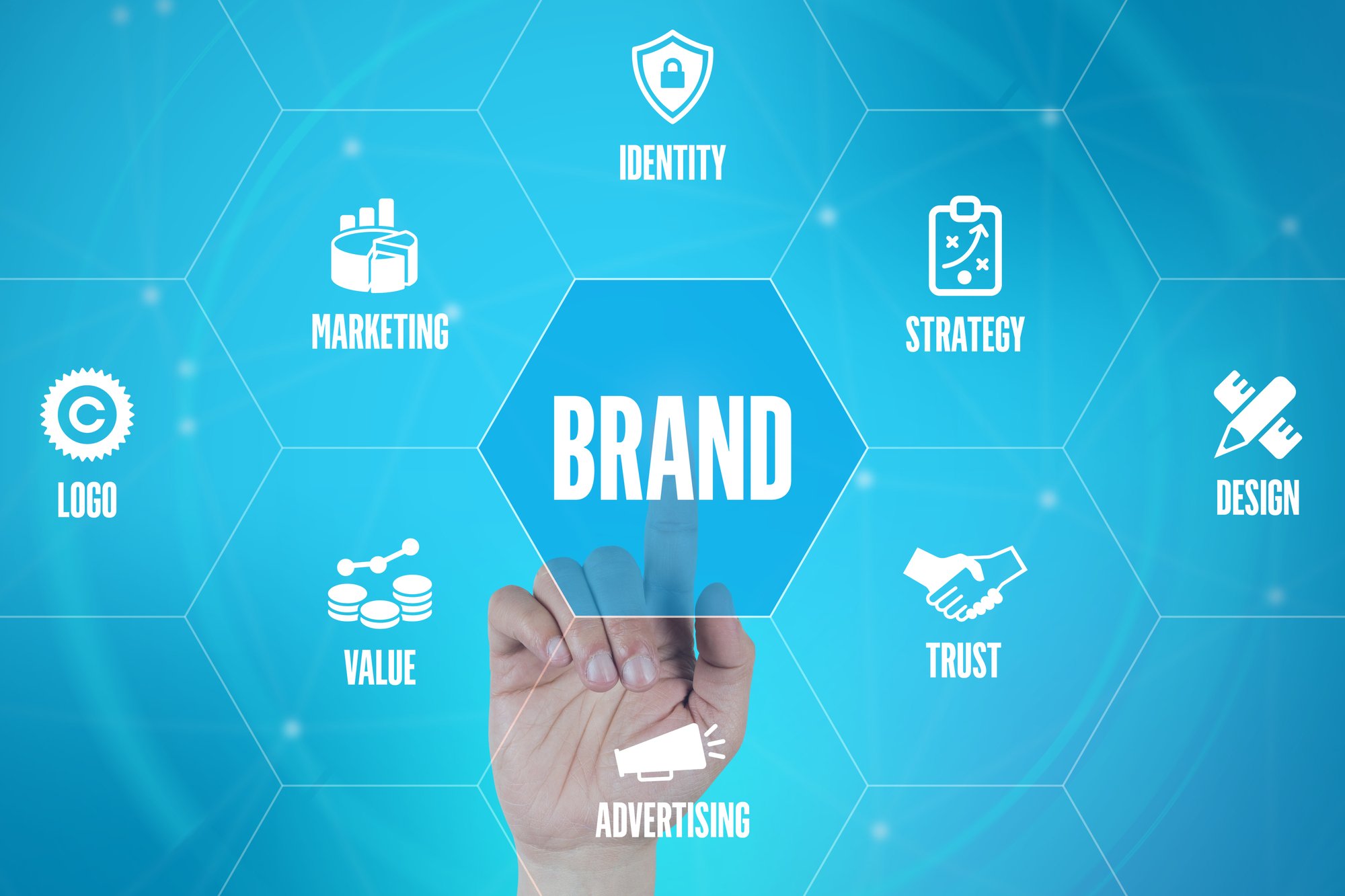
The light-vehicle aftermarket is undergoing significant change as shifting vehicle nameplate mix, aging fleets and the rise of e-commerce reshape how product brands compete, according to Lang Marketing.
In a recent report from the group, thousands of brands are currently active in the aftermarket. They fall into five major categories: Original equipment (OE) brands, OE-supplier brands, domestic aftermarket brands, foreign aftermarket brands and private label brands.
“Each type of product brand must adapt to the new challenges and opportunities in the evolving light vehicle aftermarket,” Lang’s report argued.
OE brands supply parts identical to those used in new-vehicle production and are generally sold through dealers. While installers regard them highly for quality and fit, limited distribution and higher prices can restrict competitiveness. OE-supplier brands, produced by companies that supply automakers, often enjoy strong reputations but must broaden coverage and expand distribution beyond traditional channels.
Domestic aftermarket brands remain among the most recognized by end-users, but the growing share of foreign nameplates on U.S. roads poses a challenge. These brands must demonstrate quality and fit equal to competitors, particularly for foreign vehicles. Foreign aftermarket brands, known for exceptional coverage of foreign nameplates, need to strengthen distribution for domestic applications to capture volume in older-vehicle segments.
Private label brands, marketed by large distributors and retailers, are often positioned as price-competitive, though some now offer tiered quality options. Acceptance among installers hinges on improving fit and performance, especially for foreign nameplates.
The impact of e-commerce
E-commerce is adding another layer of complexity. Online platforms and e-sellers increasingly drive parts volume but often lack inventory, relying on manufacturers and distributors for fulfillment. This creates opportunities for domestic and foreign aftermarket brands and OE-supplier brands to integrate with e-commerce channels.
Private labels and OE brands are generally less suited to platform sales, though some e-sellers can handle them effectively, Lang noted.
“The success of each of the five types of brands will depend on how well it integrates into the growing e-commerce sales across the rapidly changing aftermarket,” it said in its report.
Image credit: Depositphotos.com







Leave a Reply