

From the Magazine: The lazy mechanic’s journey of inventing tools
Share

View the latest digital editions of all of our publications or head straight to the archives

Share

As a professional mechanic with an unhealthy obsession for tools, I’ve learned that sometimes, even with massive toolboxes filled to the brim, it is still not enough. Old school mechanics knew that when a job demanded a special tool, you simply made one. I’m a “new school” mechanic doing the exact same thing with just CAD software, 3D printers, and a laptop instead of a torch, welder, and grinder.
I’m a licensed 310T mechanic working with both automotive and on-road heavy diesel, which means my tool requirements are extensive. Just a quick, brutally honest background: I’m one of the laziest and most particular mechanics you’ll meet. Particularly, I don’t like getting oil on my hands, and I prefer the easiest, cleanest way to do any job. In corporate speak, I value efficiency and eliminating friction. There is this military term I really like much better that eloquently sums up my mindset: “high speed, low drag.”
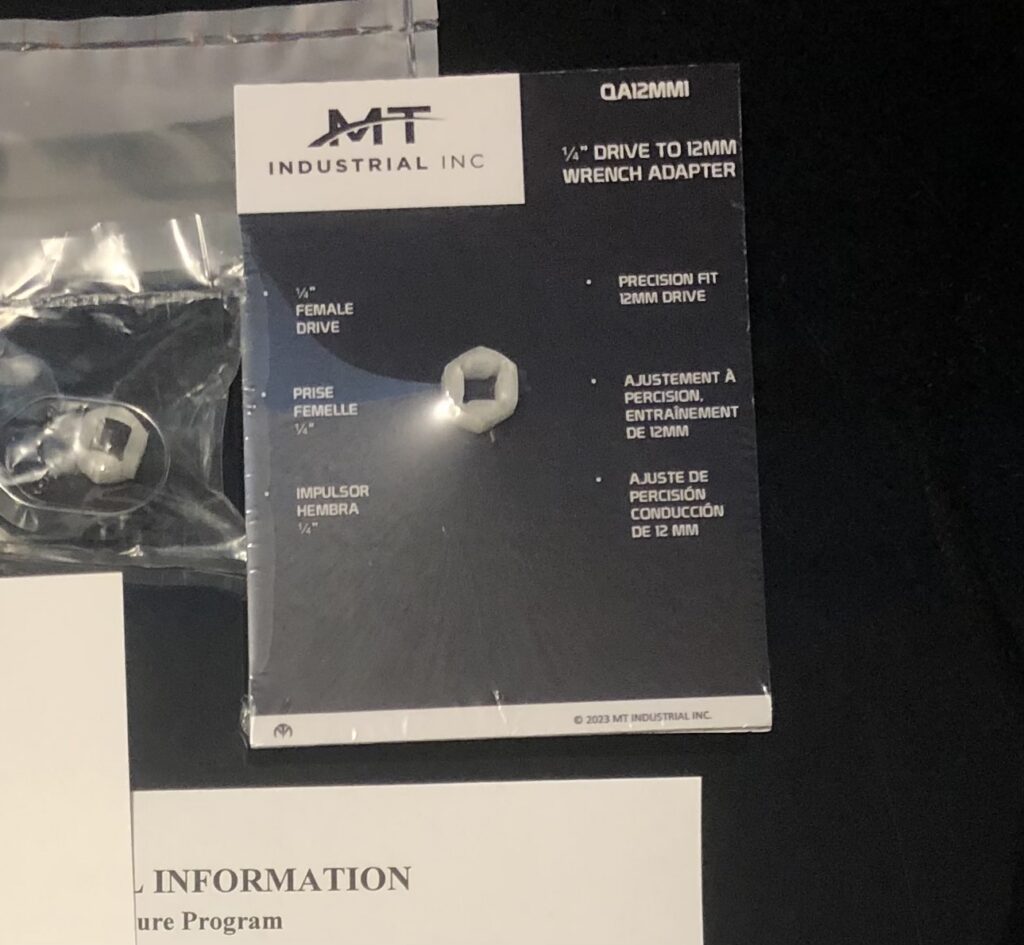
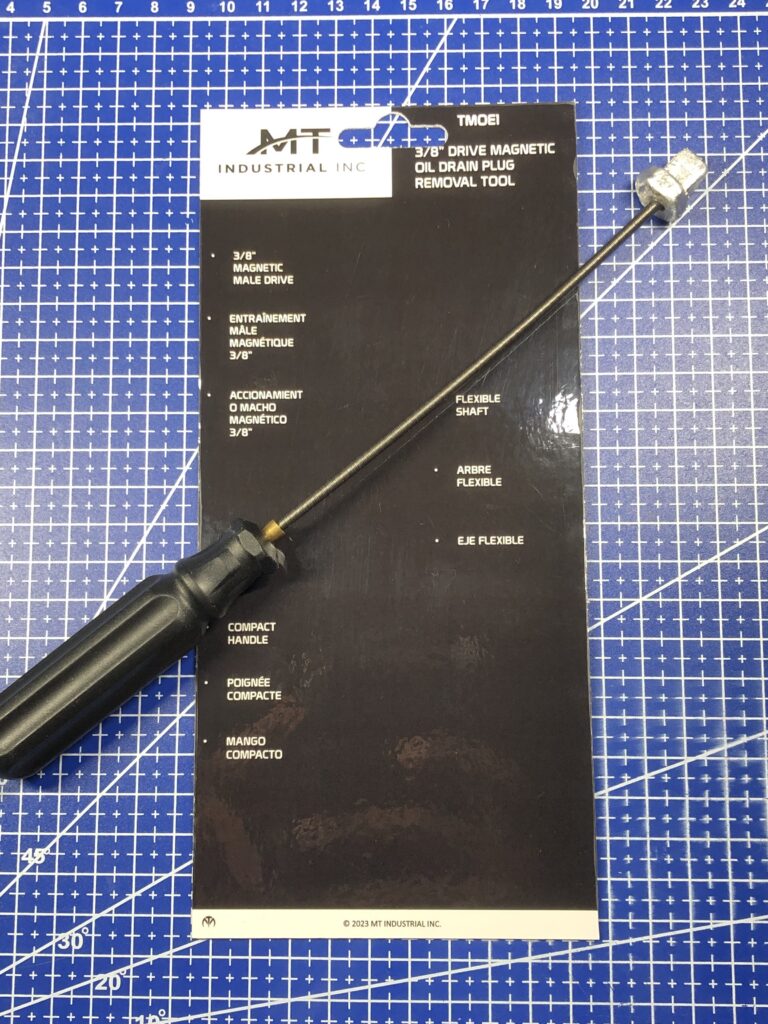
Because of that “high speed low drag” laziness mindset, I keep a notebook with me while working. Anytime I hit a frustrating task, I write it down and/or sketch an idea. One early example: I hated grabbing an oil-soaked drain plug. No tool existed for diesel drain plugs yet with 3/8″ or half-inch drives, so I designed one. The first prototypes used Snap-on & Mac telescopic magnet tool bodies with the original magnet heads ripped off. I 3D-printed and designed the custom diesel 3/8” & half-inch magnetic heads. It worked well enough that my diesel mechanic friends encouraged me to patent it.
As a broke Canadian student at the time, I filed a U.S. provisional patent, the cheaper option for small inventors. I didn’t realize it’s only a placeholder that expires in a year and doesn’t offer any real protection.
I even taught myself metal casting, made polished prototypes, designed official-looking retail packaging and submitted it to a major tool brand. It took me about a year to do all of this. They rejected it. That was fine. I’ve been rejected more times than I can count with all the tools I’ve been making.
Then one night recently, while scrolling through Instagram, I saw my old drain plug tool — now made by another major tool brand. It was surreal. It was half validating, half crushing that someone else copied or came up with the same idea. But my provisional patent had long expired, so there was nothing I could do. But it did not stop me from making more tools.
The next tool came out of necessity. While working on an old Winnebago with a 454 big block — the ones where you have to go inside the motorhome and remove the doghouse cover to access the engine. Working on that truck was very frustrating, and I had to clean a ground point that was hard to reach. So I designed and printed a Roloc-style sanding tool that could go on any 3/8″ drive tool that spins to clean a buried ground point. All of this was because I was too lazy to find my proper die grinder. It ended up working great.
I posted my new tool on Instagram as I usually do with my other tool ideas. To my surprise, this one went semi-viral. The tool I barely thought about was more popular than the one I spent a year perfecting. I did send this tool out to one of my favourite tool brands and am still waiting to hear back if they like it enough to put it into production.
Most people only share their stories after success. I haven’t hit that milestone yet. Life is a journey, not a destination. Anyone who wants to try this journey, I want them to go for it and enjoy it — not stress every step of the way like I did.
I want anyone trying this to do it even better and with even more success because it only elevates the entire industry for all of us. So here’s some advice for someone who wants to get their tool idea out there: Start with a real problem. If it annoys you, it’s probably worth solving. I stopped seeing problems, only opportunities. Hit the gas, prototype fast and utilize 3D printing, welding shops, machine shops and whatever you can access.
I did everything myself; you do not need to do that at all. Get feedback from people you trust. If the idea has big potential, use non-disclosure agreements. Protect your idea — seriously, don’t make the mistake I did. Talk to a patent lawyer. Submit your idea properly. Most tool companies do have inventor portals. Find them. Don’t just cold email or, even worse, mail the tool to them.
Ask around, network and learn something new along the way. Don’t be scared to seem like a fool. You’d be an even bigger fool to not even try.
Be persistent. You’ll get ignored and rejected a lot. Keep going. Eventually, someone will reach out to you to start that line of communication. Test the waters online. If your idea is protected, social media can be brutally honest and incredibly useful to see if your tool idea is feasible or not.
And finally, if you have the ability or money, make the tool yourself or with a manufacturing partner overseas and sell online. The main reason I’m not looking for an overseas partner is because I will not be able to control the quality and protect my intellectual property. As a small inventor, any project I attach my name to must be absolutely perfect. I’d rather make 1 per cent with a trusted North American partner and have the tool perfect than make 50 per cent and have a bad product and damage my name.
Throughout my career, I’ve met countless talented mechanics with brilliant ideas. I hope more of them take the leap, because their custom and specialty tools can improve the entire industry and, selfishly, make life easier for “lazy” mechanics like me.
Mark Tirbany is the owner of MT Industrial in Toronto
This article originally appeared in the April issue of CARS magazine
Image credit: Depositphotos.com








Leave a Reply