

How affordable EVs will drive next wave of global growth
Share

View the latest digital editions of all of our publications or head straight to the archives

Share

The global electric vehicle market is entering a new stage of development as automakers shift their focus from initial electrification efforts to lowering costs, improving manufacturing efficiency and building more integrated EV ecosystems.
According to a new analysis from Frost & Sullivan, OEM Strategies on Next Generation Electric Vehicles, Global, 2025–2031, the research firm forecasted global battery electric vehicle sales will grow from 17.8 million units in 2024 to approximately 32.6 million units by 2031. Growth is expected to accelerate after 2027 as automakers introduce more affordable EVs and governments continue tightening emissions regulations.
“The global EV market is entering a pivotal phase where affordability, manufacturing efficiency, and technological differentiation will determine long-term competitive success,” said Srinag Rajendra Kumar, mobility growth expert at Frost & Sullivan.
According to the report, intensifying competition from Chinese automakers, pressure to reduce battery costs and changing consumer expectations are forcing manufacturers to rethink their electrification strategies. Rather than developing unique platforms for individual vehicles, many OEMs are investing in modular architectures capable of supporting multiple models and battery technologies, helping reduce development costs and improve production scale.
Frost & Sullivan identified battery technology as one of the most important battlegrounds in the next phase of EV adoption. Manufacturers are increasing investments in next-generation technologies, including sodium-ion batteries, solid-state batteries and 800-volt electrical architectures aimed at improving range, reducing charging times and lowering costs.
Supply chain strategy is also evolving. The report notes that OEMs are pursuing greater vertical integration and localized manufacturing to improve supply chain resilience and reduce dependence on external suppliers. These efforts are intended to strengthen production stability while helping companies manage geopolitical and regulatory risks.
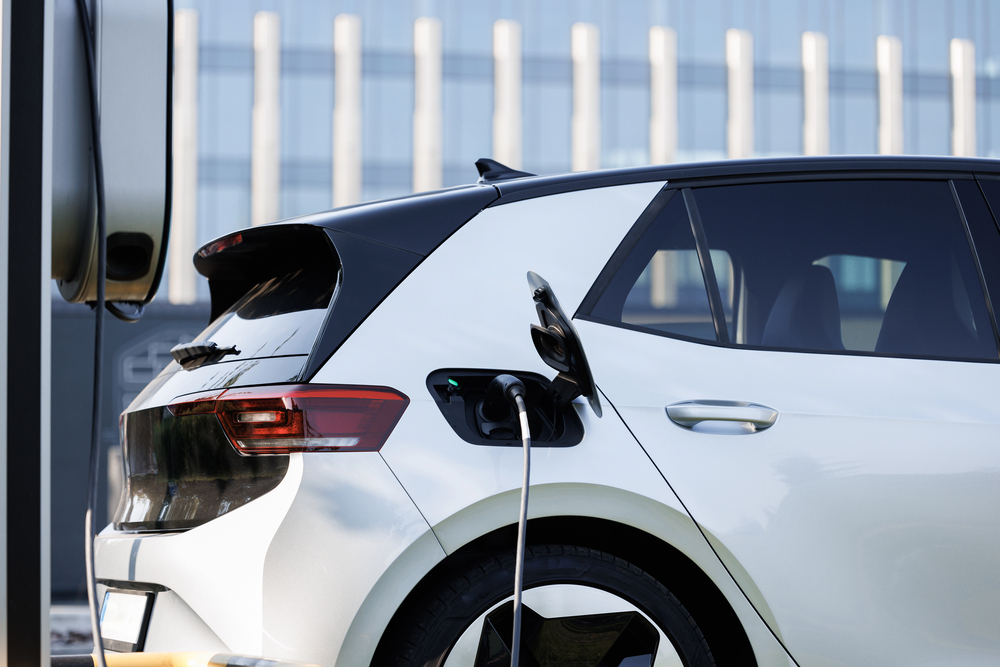
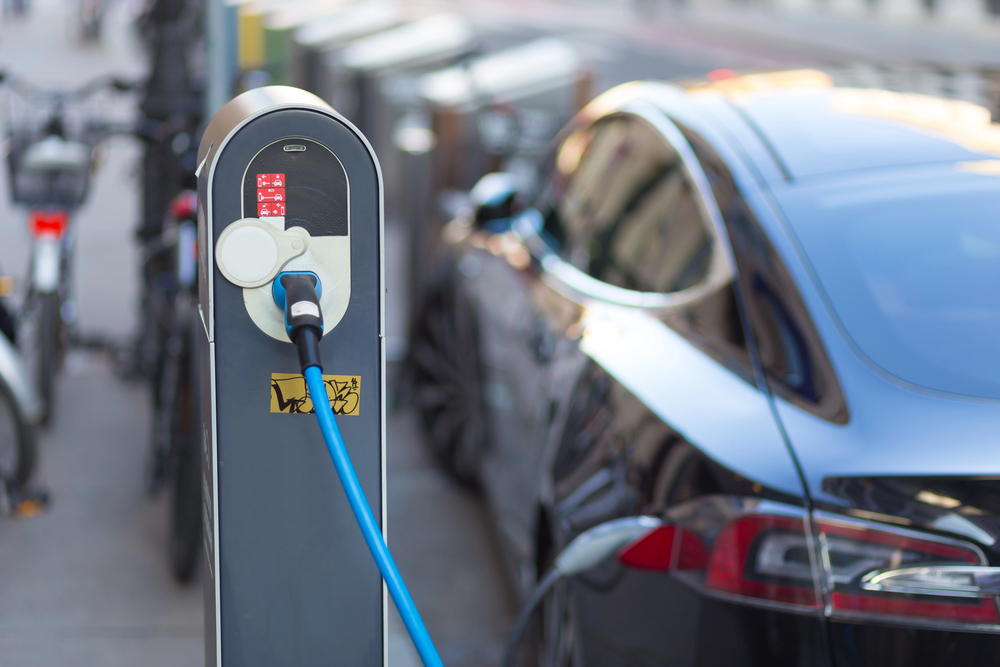
At the same time, automakers are expanding investments beyond the vehicle itself. Charging infrastructure, renewable energy integration and software-defined vehicle capabilities are becoming increasingly important parts of broader electrification strategies.
The analysis examines the approaches being taken by major manufacturers including BMW, BYD, Ford, General Motors, Hyundai, Mercedes-Benz, Nio, Stellantis, Tesla, Toyota, VinFast and Volkswagen. Areas reviewed include battery roadmaps, manufacturing footprints, sustainability programs and long-term technology investments.
As EV volumes increase, service and repair requirements are expected to become more dependent on advanced electronics and connected vehicle technologies.
Frost & Sullivan noted that the strongest growth opportunities will come from investments in advanced batteries, manufacturing transformation, charging infrastructure and resilient supply chains. Companies that successfully combine standardized vehicle platforms with software capabilities and strategic partnerships are expected to be best positioned in the next phase of EV market development.
Image credit: Depositphotos.com



Leave a Reply