

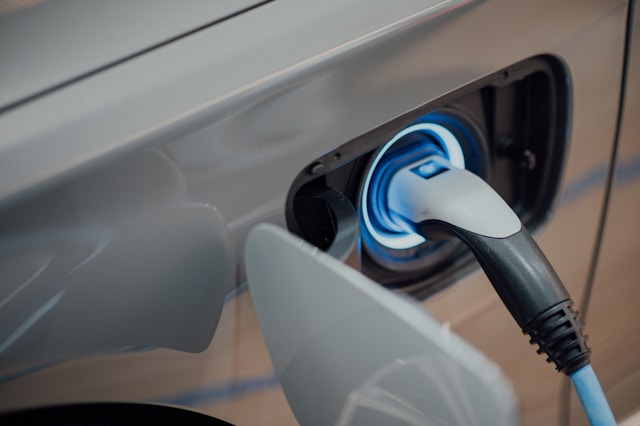
Fewer than one-third of Canadians support the federal zero-emission vehicle (ZEV) mandate, while nearly half want it eliminated or made less strict with affordability being the primary concern.
Those results come from a poll conducted for the Canadian Vehicle Manufacturers’ Association (CVMA), Global Automakers of Canada (GAC) and the Canadian Automobile Dealers Association (CADA), to showcase the growing skepticism about the government’s approach to vehicle electrification.
The mandate, known as the Electric Vehicle Availability Standard, requires ZEVs to account for 20 per cent of new light-duty vehicle sales in 2026, 60 per cent in 2030 and 100 per cent by 2035. ZEVs include plug-in hybrids, battery electric vehicles and fuel cell electric vehicles. Despite these targets, ZEV sales in Canada represented just 10.2 per cent of total new motor vehicle sales in September 2025, a 43.3 per cent decline from the same month last year.
“Canadians want support to transition to electric vehicles, not unrealistic government mandates that can’t be met,” said Brian Kingston, president and CEO of CVMA.
David Adams, president and CEO of GAC, noted that a more realistic approach to developing a national framework is needed, one that fits in more appropriately with consumer demand.
The poll shows that availability is not the main barrier to adoption. Only 11 per cent of respondents cited lack of ZEV availability at dealerships as a top concern. Instead, affordability, limited driving range and insufficient public charging infrastructure remain the dominant obstacles. These are issues that have persisted since similar polling in 2021, suggesting little progress on addressing consumer priorities.
Industry groups say these findings emphasize the need for policies that reflect market realities and consumer readiness. They argue that without addressing cost and infrastructure challenges, aggressive mandates risk alienating buyers and slowing the transition to cleaner transportation.
Image credit: Depositphotos.com



Leave a Reply