


What is the role of multimodal transport in modern logistics?
Share

View the latest digital editions of all of our publications or head straight to the archives

Share
In today’s highly competitive and fast-paced global economy, efficient logistics is crucial for maintaining a successful business. This is particularly true for industries such as automotive manufacturing, workshops, and industrial facilities where timely delivery of parts, products, and equipment is essential. As companies strive to optimize their supply chains, reduce costs, and minimize their environmental impact, many are turning to multimodal transport as a key solution. But what exactly is multimodal transport, and why are so many large companies making the switch? The answer lies in the numerous advantages it offers, from cost savings to improved efficiency and sustainability.
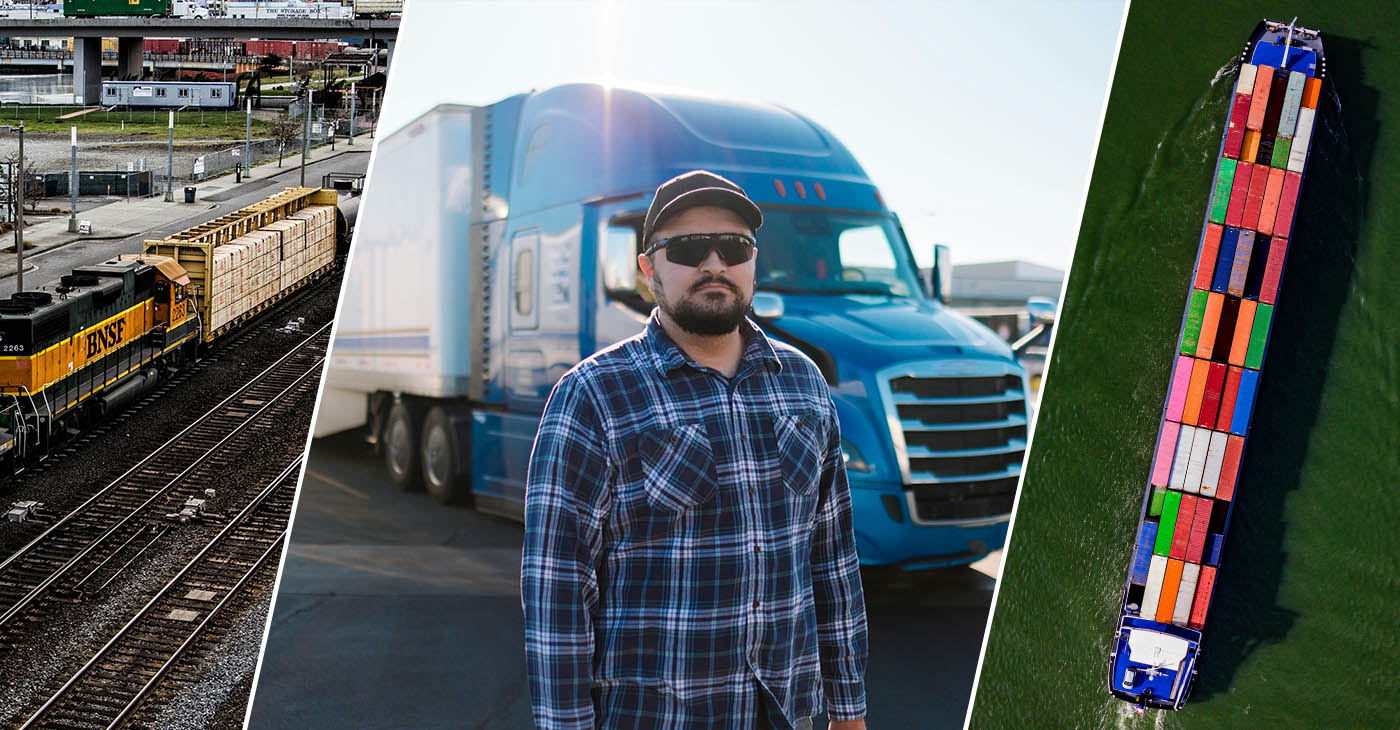
Multimodal transport refers to the use of more than one mode of transportation to move goods from origin to destination. This could involve a combination of road, rail, air, or sea transport, depending on the specific requirements of the shipment. By leveraging the strengths of different transport modes, companies can create more efficient and flexible supply chains that better meet their logistical needs.
One of the primary reasons companies are adopting multimodal transport is its potential for cost savings. By combining different modes of transport, businesses can take advantage of the cost efficiencies offered by each. For example, while air transport is fast, it is also expensive. On the other hand, sea transport is cost-effective but slower. By using a combination of these modes, companies can strike a balance between speed and cost, ensuring that their goods are delivered on time without incurring excessive costs.
Another key benefit of multimodal transport is its positive impact on the environment. As companies face increasing pressure to reduce their carbon footprint, multimodal transport offers a way to minimize emissions. By utilizing more environmentally friendly modes of transport, such as rail or sea, companies can significantly reduce the amount of CO2 emitted during the transportation of goods. This not only helps companies meet their sustainability goals but also improves their brand image and can open doors to new business opportunities.
Logistics plays a crucial role in every company’s daily operations, directly impacting customer satisfaction, delivery times, and profitability. In industries such as automotive manufacturing and industrial production, delays in the delivery of parts or equipment can lead to costly production stoppages. As such, ensuring that goods are delivered on time and in good condition is essential.
Moreover, logistics is often one of the largest cost centers for companies. By optimizing their logistics processes, businesses can achieve significant cost savings, which can be reinvested in other areas of the business. This is where multimodal transport comes into play. By offering a more efficient and cost-effective way to move goods, it allows companies to streamline their logistics operations and reduce costs.
 Multimodal transport is the practice of using multiple modes of transportation under a single contract or bill of lading. This means that instead of managing separate contracts for each leg of the journey, companies can work with a single logistics provider who coordinates the entire process. This is different from traditional transport options, where goods are typically moved using a single mode of transport, such as road or sea.
One of the key differences between multimodal transport and traditional transport options is the level of flexibility it offers. With multimodal transport, companies can choose the most appropriate mode of transport for each leg of the journey, depending on factors such as cost, speed, and environmental impact. This allows for greater customization and optimization of the supply chain, ensuring that goods are delivered in the most efficient way possible.
Another difference is the reduced risk of delays and disruptions. By using multiple modes of transport, companies can avoid bottlenecks and other issues that may arise when relying on a single mode of transport. For example, if a delay occurs on the road leg of the journey, the goods can be rerouted via rail or sea to avoid further delays. This added flexibility helps companies maintain reliable delivery schedules and reduces the risk of costly disruptions.
Multimodal transport can become a more profitable option for companies in several ways. First and foremost, it allows businesses to optimize their logistics processes by selecting the most cost-effective and efficient mode of transport for each leg of the journey. This not only reduces transportation costs but also minimizes the time goods spend in transit, which can lead to faster delivery times and improved customer satisfaction.
Additionally, multimodal transport can help companies reduce their inventory costs. By using faster modes of transport for certain legs of the journey, companies can reduce the amount of inventory they need to hold, freeing up capital that can be reinvested in other areas of the business.
Furthermore, multimodal transport can help companies reduce their environmental impact, which can lead to cost savings in the form of lower emissions-related taxes and penalties. As governments around the world introduce stricter environmental regulations, companies that adopt greener transport solutions will be better positioned to comply with these regulations and avoid costly fines.
 Top 5 concrete benefits of multimodal transport
When it comes to managing multimodal transport, companies have two options: handle the logistics themselves or work with a professional transport provider. While managing it yourself may seem like a cost-effective option, there are several reasons why partnering with a professional provider is often the better choice.
First, professional transport providers have the expertise and resources needed to coordinate complex multimodal transport operations. They have established relationships with carriers across different modes of transport, allowing them to negotiate better rates and ensure reliable service. Additionally, they have the technology and systems in place to track shipments in real-time, providing companies with greater visibility and control over their supply chains.
Second, working with a professional provider can help companies avoid costly mistakes. Managing multimodal transport requires a deep understanding of the regulations and requirements associated with each mode of transport. Professional providers have the knowledge and experience needed to navigate these complexities and ensure compliance with all relevant regulations.
Finally, partnering with a professional provider allows companies to focus on their core business activities. Instead of dedicating time and resources to managing logistics, companies can leave it to the experts and concentrate on growing their business.
Multimodal transport is becoming an increasingly popular option for companies looking to optimize their logistics operations and reduce costs. By combining different modes of transport, businesses can create more efficient and flexible supply chains that better meet their needs. The benefits of multimodal transport are clear: cost savings, improved efficiency, environmental benefits, reduced risk of delays, and simplified logistics management.
For companies in the automotive, workshop, and industrial sectors, where timely delivery of parts and equipment is critical, multimodal transport offers a reliable and cost-effective solution. By partnering with a professional transport provider, companies can take full advantage of the benefits of multimodal transport and ensure that their logistics operations run smoothly and efficiently.








Leave a Reply