

Rising EV adoption pressures oil and gas to diversify
Share

View the latest digital editions of all of our publications or head straight to the archives

Share
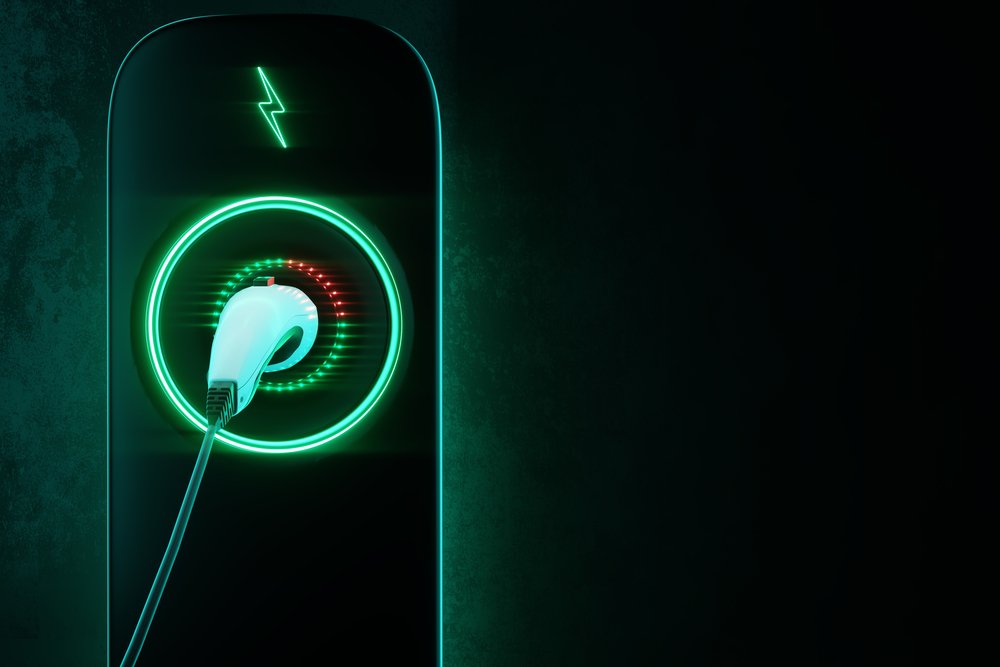
As more regions use state support to speed electric vehicle adoption and cut reliance on fossil fuels, GlobalData says oil and gas companies are under growing pressure to diversify into EV‑related energy solutions, including charging networks and battery technologies.
Global battery electric vehicle sales rose 13 per cent in 2024 to 10.4 million, accounting for 14 per cent of new personal vehicle sales worldwide, according to the International Energy Agency. GlobalData’s Strategic Intelligence report, “Electric Vehicles in Oil & Gas,” outlined how EV growth and supply chain shifts are reshaping the competitive landscape for oil and gas.
The report highlighted near‑term moves that could help industry players mitigate revenue losses and stay relevant over the long term, from public charging build-outs to investments in battery value chains such as energy storage and recycling, and integrated grid and renewable power.
“The oil and gas industry needs to consider rising penetration of EVs in new vehicle sales when charting long-term growth plans. As EV technology improves and charging infrastructure expands, demand for traditional oil may falter. It could have a transformative impact on the downstream sector in coming decades, significantly altering demand patterns for refined products,” said Ravindra Puranik, Oil and Gas Analyst at GlobalData.
European majors have moved early. Shell now operates about 75,000 public charging points internationally, while TotalEnergies aims to install 150,000 charge points by 2026. BP and ENI are also building robust EV charging networks. These ventures reflect adaptation and a proactive approach to opportunities in low‑carbon mobility as consumer adoption rises and governments set tighter emissions goals.
Oil marketing companies can use existing retail networks to develop charging hubs along highways and in urban centres. They can also expand into battery life‑cycle businesses and link EV charging to broader energy solutions, combining renewables, storage and managed grid supply to support reliability and scale.
“Despite strong push from some countries towards phasing out internal combustion engines (ICEs) in favour of cleaner alternatives, ICE vehicles will continue to be part of the transport landscape for years to come due to their emotional connect with customers and their relatively longer operational life,” Puranik said. “Thus, demand for petroleum fuels will persist in global markets to cater to ongoing mobility and economic needs, even as the industry transitions toward cleaner solutions. The transition to EVs also creates clear opportunities for oil and gas companies.”
Image credit: Depositphotos.com

Leave a Reply