


How much human error contributes to collisions
Share

View the latest digital editions of all of our publications or head straight to the archives

Share
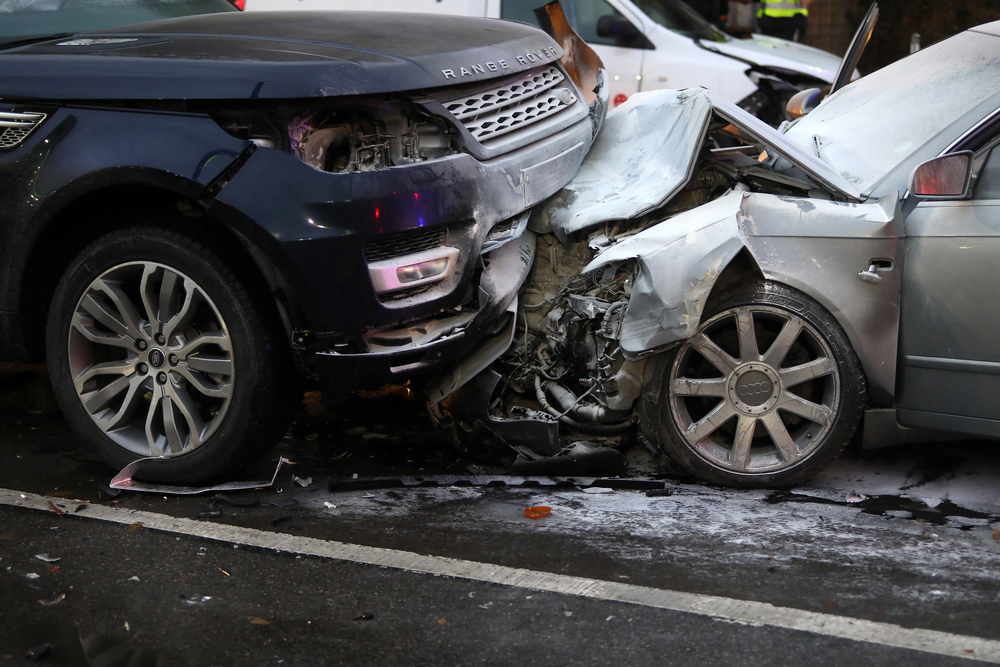
A new analysis warns that Canada’s deadliest crash factors are largely human and become more dangerous when snow, ice and darkness set in.
The study by Preszler Injury Lawyers, using Transport Canada’s National Collision Database, found human factors were cited in 65.9 per cent of fatal crashes, far outpacing other causes.
It found that common driver errors, including following too closely, rolling through stop signs, running red lights and misjudging speed or braking distance, become far riskier in winter. Reduced grip on snow and ice lengthens stopping distances. Shorter daylight hours, glare and poor visibility also make hazards harder to spot and speed or distance tougher to judge.
Impaired driving was the second leading factor, linked to 25.7 per cent of fatalities, followed by speeding at 24.1 per cent. Environmental factors, such as slick roads, obstructed views and low visibility, contributed to 21.7 per cent of deadly crashes. Distraction accounted for 20.7 per cent, while vehicle‑related issues and fatigue accounted for 3.7 and 3.2 per cent, respectively. The study notes that five of the seven leading contributors involve human error.
“Environmental conditions like road quality and weather can also play a significant role. While car safety technology has improved, one cause is still vehicle-related. It’s crucial to recognize that the most effective way to prevent fatal crashes is to address human behavior, environmental conditions, and vehicle factors,” a Preszler spokesperson said.
The report highlighted large regional differences. Nationally, Canada recorded 6.9 crash fatalities per 100,000 licensed drivers. Prince Edward Island reported the highest rate at 14.1 per 100,000, more than double the national average. Saskatchewan followed at 12.3, then Nunavut at 9.2. Nova Scotia and New Brunswick each measured nine. Newfoundland and Labrador came in at 8.9. Manitoba and Alberta were tied at 8.1. British Columbia recorded 7.9. Quebec was at 6.6, slightly below the national average. Yukon recorded 5.8. Ontario had 5.4, about 21.7 per cent lower than the national figure. The Northwest Territories registered 3.8.
The findings mirror long‑standing warnings from safety experts that winter conditions magnify the risk of common mistakes. Driving even slightly above a safe speed cuts the margin for error on icy or slushy roads. Following distances that seem reasonable in dry conditions may be too short when traction falls. Darkness and blowing snow can also reduce the time drivers have to react.
Image credit: Depositphotos.com






Leave a Reply