



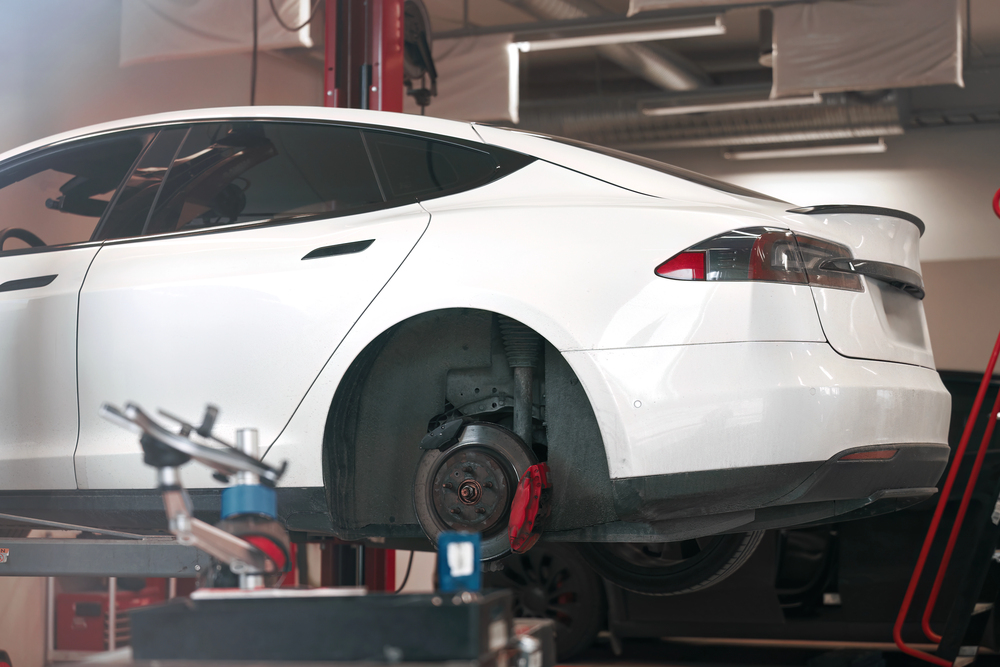
Canada’s electric vehicle sector is on track for major employment gains, according to a recent panel that highlighted the industry’s impact on jobs, the automotive aftermarket and the economy.
Daniel Breton, chief executive officer of Electric Mobility Canada, told attendees of the 2025 AARO Symposium in the fall that the electric vehicle industry currently provides about 130,000 jobs across the country. Breton referenced a report from business advisory firm EY that projected, under regular growth, that this figure could rise to 600,000 jobs by 2035. Even if conditions worsen, he noted that jobs might still increase but would reach 350,000 by that year.
“So the job growth is there; the need is there,” he emphasized.
Part of his mandate is to provide education about the realities of the EV industry.
“And part of our job is to make sure that people make a difference between misinformation and facts and half-truths,” Breton told the audience.
Breton explained that the industry is seeing substantial expansion, particularly in regions like Quebec where the number of electric cars climbed from 5,000 to 450,000 over a 10-year period. He noted that different government policies, such as subsidies and infrastructure regulation, have influenced adoption rates across provinces.
However, ongoing discussions and decisions south of the border could have a long-term effect on Canada’s auto industry. He cautioned that if Canada aligns with the United States administration’s standards, which are in the process of being weakened, Canadian regulations could also be threatened.
He shared that his organization and other industry representatives have urged the federal government to maintain independent policies, arguing that following the U.S. could undermine job creation and industry stability. U.S. President Donald Trump “has decided to try and do everything in his power to kill the industry, just like he tried to kill the renewable energy industry back in 2017, [when] he wanted to revive the coal industry. Did not happen for coal. He’s not going to kill the [electric vehicle] industry either,” Breton said.
The panel discussed the need for predictability in government policy to support job growth and consumer confidence in the sector. Breton said that sudden changes to rebate programs can affect EV sales, which in turn influences employment and investment in the industry.
He stressed that continuous growth relies on maintaining clear, stable policy directions for manufacturers, consumers and workers.
Image credit: Depositphotos.com







Leave a Reply