


The U.S. Supreme Court’s rejection of a key presidential tariff authority landed in real time during a trade policy presentation to aftermarket suppliers, highlighting how legal and political uncertainty is colliding with long‑term manufacturing decisions.
Bill Frymoyer, vice president of government affairs at MEMA, was speaking at the MEMA Aftermarket Suppliers Global Summit in February when news broke that the U.S. Supreme Court had struck down tariffs put in place by the federal government.
Frymoyer called the news good, saying it showed that when things go too far, the system’s guardrails can still pull policy back. He told the audience he expected the president to be angry at first — U.S. President Donald Trump, shortly after the court’s decision, said he would add a new 10 per cent global tariff.
It’s this reactionary and impulsive behaviour that is making life difficult for the automotive aftermarket, Frymoyer said, adding that manufacturers can’t react to policy swings on short notice.
He said supply chains in the motor vehicle parts industry are built on five- to seven-year planning cycles and that policymakers in Washington do not fully understand the complexity of the sector. He said people should not assume companies can suddenly move manufacturing back to the United States, even if many firms want to expand their North American footprint.
“We all want to move it back,” he said of offshore production, “but we can’t do it yesterday.”
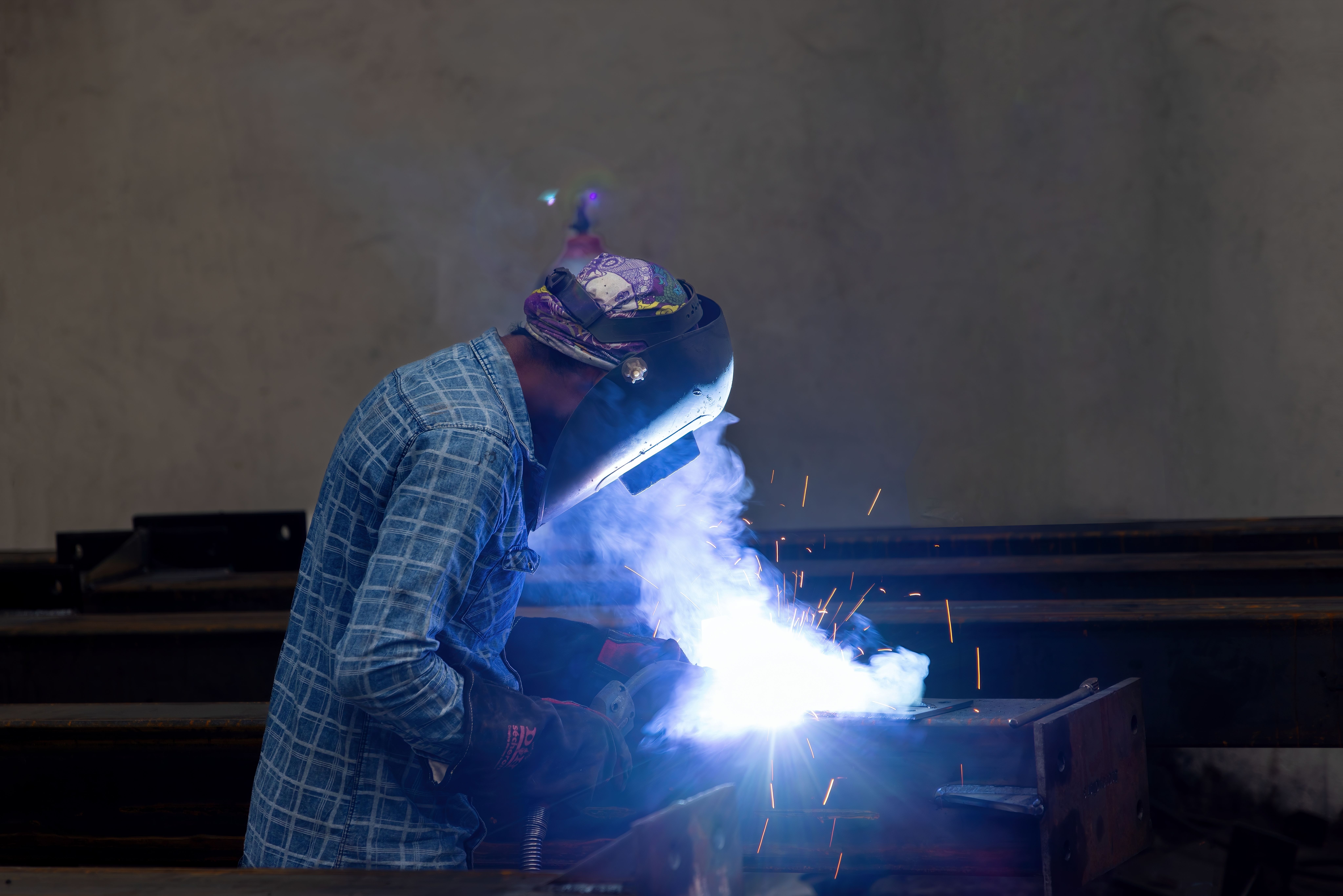
Frymoyer said tariffs, especially on steel, have pushed costs higher and added pressure to an already tight margin industry, with the aftermarket even tighter than original equipment. He said higher costs are driving some consumers to keep vehicles longer and could push them toward cheaper, potentially counterfeit parts.
He told the audience that “the tariffs on steel are particularly problematic. We understand that,” and described “all sorts of unintended consequences of tariffs,” from financial losses and job losses to consumers keeping vehicles longer and turning to cheaper options.”
Frymoyer told the audience that MEMA has been pressing the administration for practical relief, including what he called a logical and important pause on tariffs for imported industrial machinery. He said companies trying to add new production lines in the United States can’t get the equipment they need from key supplier countries such as Europe, Japan and Taiwan because of steel tariffs.
According to Frymoyer, MEMA has informal examples from about 20 major Tier 1 suppliers that can’t import the machinery required to expand U.S. production, and he estimated the blocked investment at tens of billions of dollars.
He said the emerging picture is that affordability has become a central election issue and that policymakers will have to reconcile tax policy that aims to boost competitiveness with trade actions that add cost and uncertainty for business.




Leave a Reply