How the aftermarket can hire for potential, not just experience
Share

View the latest digital editions of all of our publications or head straight to the archives

Share

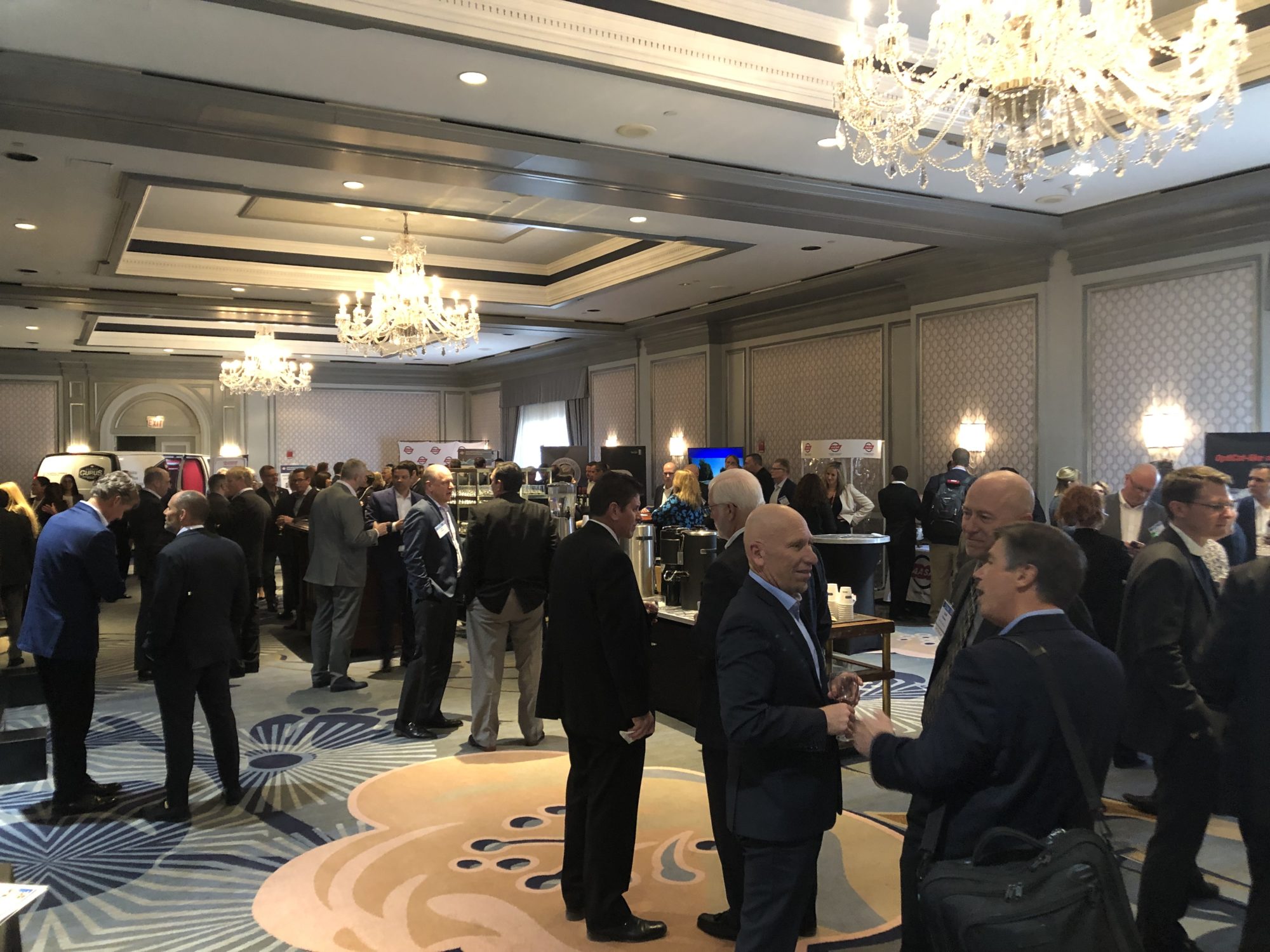
The Canadian auto care sector needs to rethink how it hires if it wants to build a future-ready workforce, speakers said during a recent panel.
At the AIA Canada National Conference, attendees were urged to look beyond traditional credentials and seek candidates who can adapt as technology reshapes work.
Hitesh Patel, director of Canada at Transtar Industries, said leaders must stop hiring only for today’s job description. He pointed to the way tools such as Excel and PowerPoint are being displaced by artificial intelligence.
“Today, AI can build a presentation for you quicker than you can on PowerPoint,” he said during the session No talent left behind: Building a future-ready workforce. “AI can help you drive and analyze your data a lot faster than someone that you know was very precisely skilled at building data models in Excel.”
Hiring managers should focus on people “who can do the job or the role tomorrow as opposed to today,” Patel said. He described future winners as “agile or entrepreneurial” employees who can pivot and “break through the box” of a fixed role.
Chris Theodoratos, director of operations at Mr. Lube + Tires, challenged the idea that the industry faces a lack of talent.
“There’s no talent constraint. There’s a lot of talent out there,” he said, adding that the real problem is “a little bit of a system design thing and how we go about hiring.”
Employers should, whenever possible, relax the requirement that only experienced candidates should apply and to pay closer attention to attitude and how a person shows up, Theodoratos said.
“The other one’s gut feeling,” he added. “Often what’s happening is, you’re hiring somebody that’s just like you.”
That may limit a business’s ability to grow and connect with different customers, he warned.
Leaders should define a clear list of genuine needs for each role, Theodoratos recommended. Being specific about what actually matters can “expand who you’re looking for,” he said.
Panellists also questioned how rigid qualification requirements may be screening out strong prospects.
“We are excluding people because some of those qualifications that we’re looking for,” said moderator Stephanie Cooney-Mann, general manager at UAP, asking whether employers are “intentionally excluding an entire pool of people that could potentially really help our business and our industry.”
While some positions, such as engineers and red seal technicians, require formal credentials, other roles offer more flexibility. In those cases, the panel noted, broadening hiring criteria to include different experiences and backgrounds, and focusing on potential and adaptability, could help ensure no talent is left behind.
Image credit: Depositphotos.com

As someone who routinely has to repair the fallout of Mr. Lube + Tires repairs, I would suggest to Mr. Theodoratos that experience is, in fact, a very valuable asset. That is, until you manage to get AI to prevent stripped oil pan threads.



Leave a Reply