
Hybrids a clear preference for Canadians
Share

View the latest digital editions of all of our publications or head straight to the archives

Share
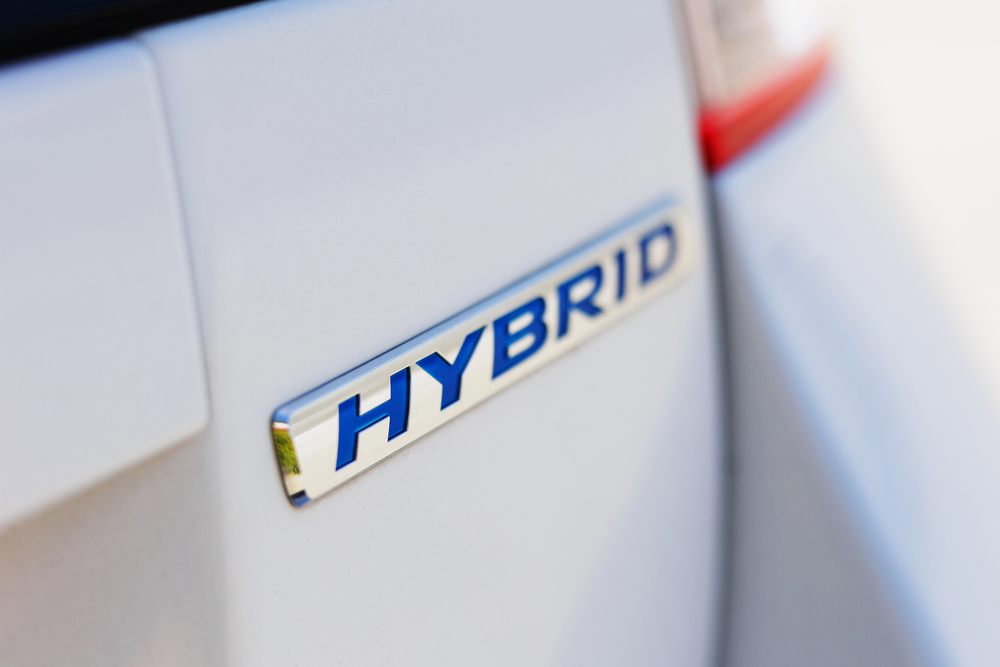
There is a new pecking order for alternative powertrains in Canada, with hybrids pulling decisively ahead of zero-emission vehicles as mainstream buyers chase practicality and price, new data show.
According to S&P Global Mobility’s third quarter 2025 Canadian Automotive Insights, national hybrid share climbed to a record 16.9 per cent in the quarter, while the broader zero‑emission segment reached 10.4 per cent. S&P said the “great reversal” that began in the second quarter of last year, when hybrids first overtook ZEVs, has become a widening gap as consumers weigh total cost, everyday usability and freedom from charging concerns.
By powertrain, the ranking is decisive: Hybrids at 16.9 per cent, battery electrics at 6.3 per cent and plug-in hybrids at 4.2 per cent.
Regional patterns highlight the split. British Columbia cemented its role as a hybrid bellwether, with hybrids at 20.8 per cent and total ZEVs at 18.5 per cent, including 11.4 per cent for BEVs and 7.1 per cent for PHEVs.
Quebec remained the ZEV stronghold, the only province where BEVs are the top alternative, with BEV share rising to 12.8 per cent.
In Ontario, Canada’s largest market, hybrids led at 14.6 per cent, while total ZEV share sat at 6.5 per cent, 4.0 per cent for BEVs and 2.5 per cent for PHEVs.
Across the Prairies, hybrids dominated. In Alberta, hybrids held 13.0 per cent against 3.7 per cent for total ZEVs, with Saskatchewan and Manitoba showing similar patterns. Atlantic Canada also leaned hybrid, while ZEV adoption remained in the low to mid single digits.
S&P noted that consumer behaviour fed directly into a policy reset. Ottawa paused the federal ZEV mandate in October, shifting the immediate regulatory focus from ZEV-specific quotas to fleet-wide greenhouse gas standards. That elevates high-volume hybrid models as key compliance tools, particularly in provinces where ZEV uptake lags. The long‑term goal of electrification remains, S&P said, but near‑term strategies must reflect a market that is fragmenting by region and powertrain.
Looking to the fourth quarter, S&P flagged two tests. First, whether hybrid momentum at 16.9 per cent can hold or accelerate as pent-up demand is met. Second, whether new, more affordable ZEV models can convert pragmatic buyers now favouring hybrids by competing on price, range confidence and everyday practicality.
For automakers, S&P advised that a flexible, multi-powertrain lineup tailored by province is now essential. ZEV‑heavy plays may thrive in Quebec, but brands need robust hybrid portfolios to drive volume in Ontario and the Prairies. For policymakers, the pause on the mandate does not ease pressure; it refocuses it. Meeting fleet-wide emissions targets will hinge on leaning into models that consumers will buy in large numbers, while the charging ecosystem and price points evolve.
Image credit: Depositphotos.com





Leave a Reply