


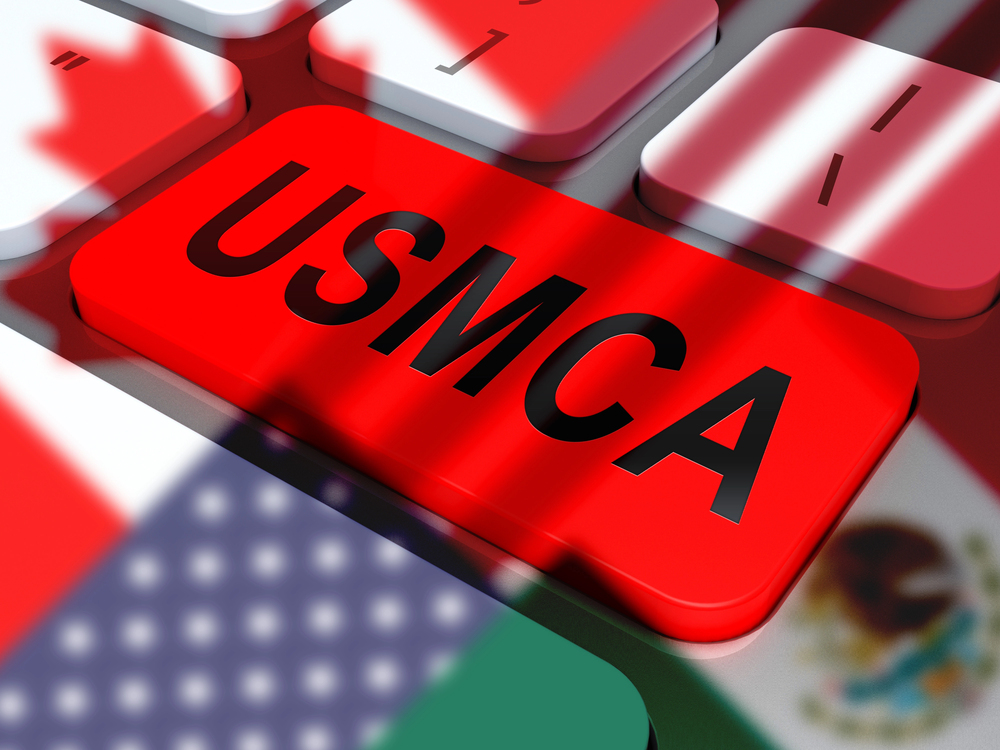
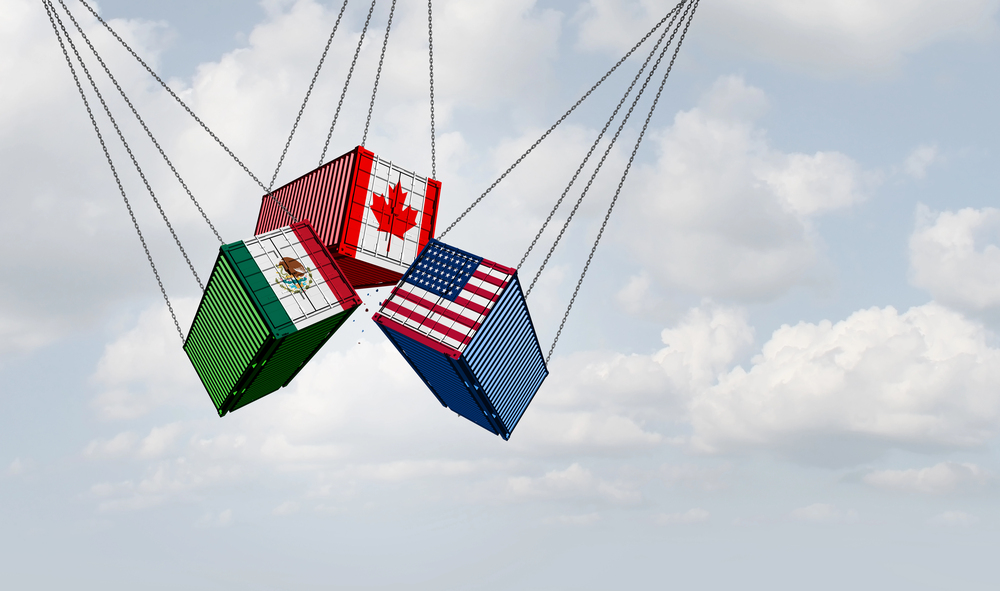
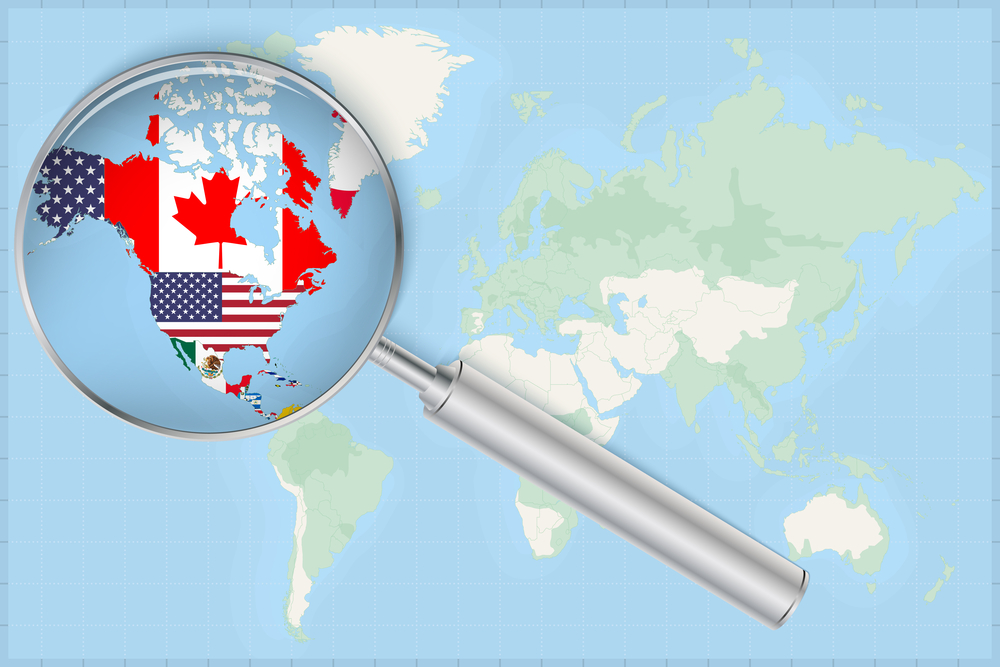
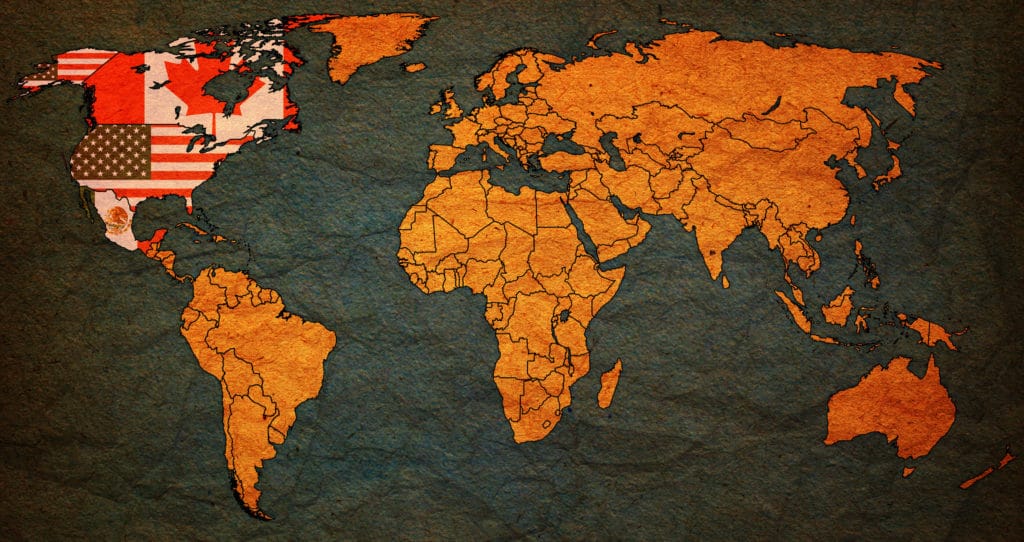
Political tension around the future of the United States-Mexico-Canada Agreement is fuelling anxiety among Canadians, even as industry advocates insist the three-way pact remains essential to all sides.
Canadians have expressed concern over renegotiations for the free trade agreement, with the federal government here seeking deals with other countries around the world, notably China, as U.S. trade policy shifts.
There are also concerns that the U.S. may seek separate deals with Mexico and Canada, thus eliminating the trilateral deal.
Speaking at the MEMA Aftermarket Suppliers Global Summit in Miami, Bill Frymoyer, vice president of government affairs at MEMA, said that concern is one reason his association is focused on outreach on Capitol Hill. He told the room they need Congress “to push back on the president quietly and remind him how important Canada” is to the U.S. economy, including the fact that exports to Canada and Mexico are roughly equal, while trade with Canada is more balanced.
He said many policy makers still underestimate Canada’s role, noting that a few years ago, “38 states had most of their trade with Canada,” compared with about 10 whose top partner was Mexico. He said that makes Canada “an equal partner,” especially when trade is measured against population and size.
Frymoyer said he is confident recent threats will prove to be idle, pointing to the original CUSMA talks.
“This is what he did the first time around, if you recall,” Frymoyer noted.
It was pointed out by an audience member that the attitude of the U.S. president is to find a way for him to win and the other side to lose, rather than focusing on a win-win outcome for all parties.
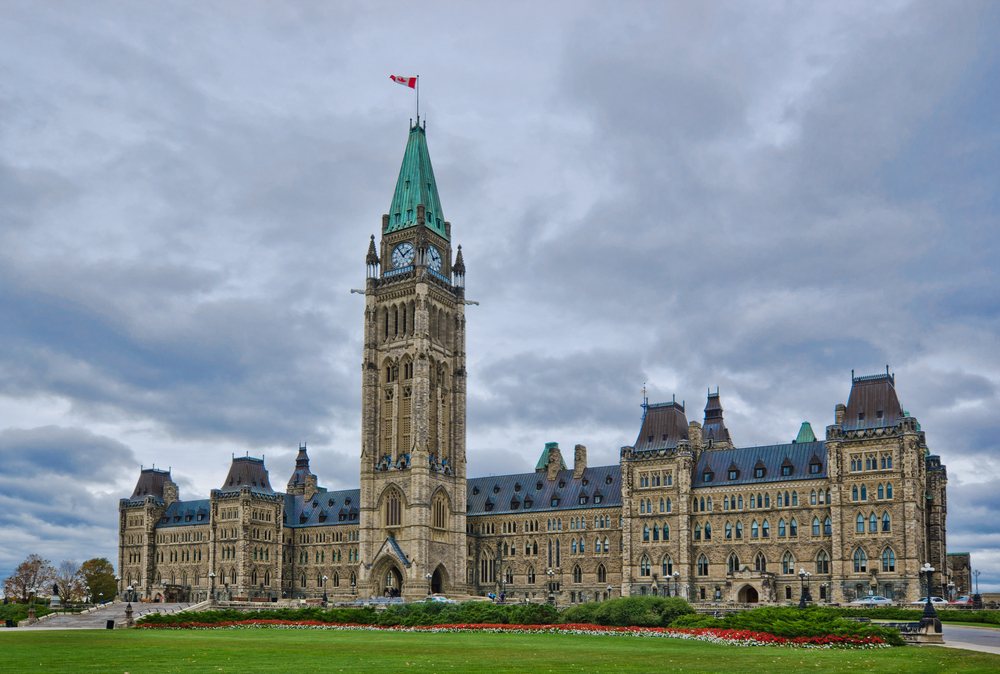
Frymoyer replied that the relationship between the two countries is “so deep,” recalling a visit to the National Museum of Canada in Ottawa, where an exhibit traced the history from the 1965 Auto Pact to CUSMA. He told the audience that CUSMA is meant to be “a win for all three countries. It’s a regional agreement,” and said that is where U.S. lawmakers are on a “strong bipartisan basis.”
He said Canada is “losing because we’ve isolated you,” and argued that smarter engagement by Congress and key administration officials could help restore a more cooperative tone. He cited senior figures at the U.S. Trade Representative’s office, Commerce and Treasury who, in his view, understand the importance of the trilateral arrangement and whose influence is growing.
Frymoyer also linked the political debate to the growing backlash against tariffs inside the United States. He told the summit that recent research is showing most of the tariff burden falls on U.S. manufacturers and consumers and has shaved growth from the economy, adding that affordability has become “the issue of the election.”
Image credit: Depositphotos.com




Leave a Reply