

What to Know About Vehophobia and Your Daily Life
Share

View the latest digital editions of all of our publications or head straight to the archives

Share
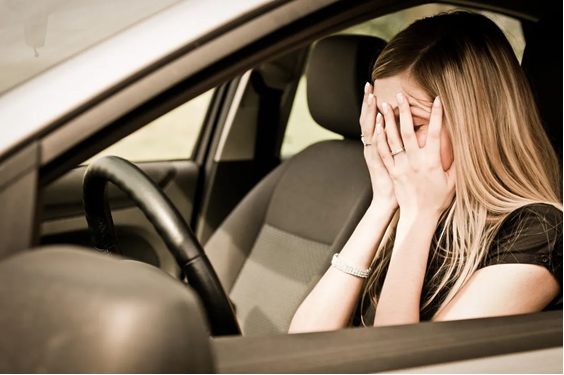
Vehophobia is the intense fear of driving or being inside a vehicle. For some, it develops after a traumatic accident; for others, it arises from anxiety, loss of control, or constant exposure to road-related stress. This fear doesn’t just affect travel; it impacts confidence, independence, and everyday routines.
In most cities in the US, where car culture dominates and most people rely on driving for work and errands, such a fear feels paralyzing. These cities have millions of registered drivers and sprawling highways connecting communities that depend on vehicle mobility. For residents in such environments, understanding vehophobia is essential, not only to recognize the signs but also to take practical steps toward reclaiming control.
Next, let’s explore how vehophobia shapes daily routines, what triggers it, and strategies for effective management.
Vehophobia stems from a specific event, like a car crash, a near-miss, or witnessing a serious road accident. The mind links driving with danger, creating lasting fear responses. Sometimes, even non-traumatic experiences such as stressful commutes or aggressive drivers contribute to developing anxiety behind the wheel.
Other times, it emerges gradually from persistent stress, panic attacks, or general anxiety disorders. Each trigger is unique, but they all share one thing: the perception that driving is unsafe or uncontrollable.
For many, the fear of driving limits work, social life, and family duties. Errands become emotional battles; some avoid highways, others quit driving.
This avoidance may create dependency on others or public transport, which increases frustration and loss of freedom. Over time, isolation and reduced confidence follow, sometimes leading to missed opportunities, restricted mobility, and growing anxiety that affects daily routines and overall emotional well-being.
Symptoms appear both mentally and physically. Drivers may experience rapid heartbeat, dizziness, shaking hands, or shortness of breath when near or inside a car. Mentally, fear spirals into worst-case scenarios, imagining crashes or losing control.
These reactions feel automatic and may occur even before starting the engine. The body prepares for danger, even when none exists, which reinforces the cycle of avoidance.
Mental health professionals usually identify vehophobia through detailed discussions about driving experiences and anxiety symptoms. Treatment includes cognitive-behavioral therapy (CBT), which helps retrain thought patterns related to driving fears.
Exposure therapy is another powerful approach, which allows individuals to gradually face their fear in safe, controlled environments, first through visualization, then through short, real driving sessions.
Start small. Sit in a parked car for a few minutes, focusing on breathing and calmness. Over time, move to short, low-traffic drives with a trusted companion. Avoid high-pressure situations like rush-hour commutes until confidence builds.
Listening to calming music, practicing mindfulness, or seeking driving classes designed for anxious drivers also helps. The goal is to rebuild trust in both yourself and the act of driving.
Friends, family, and coworkers play a big role in recovery. Their patience and encouragement help reduce embarrassment and self-criticism. Talking openly about fear removes stigma and makes the healing process less isolating.
Support groups, online or in person, also connect you with people facing similar struggles. Sharing experiences brings perspective and reassurance that progress is possible.
Vehophobia may restrict movement, but it doesn’t have to define your life.
Leave a Reply