

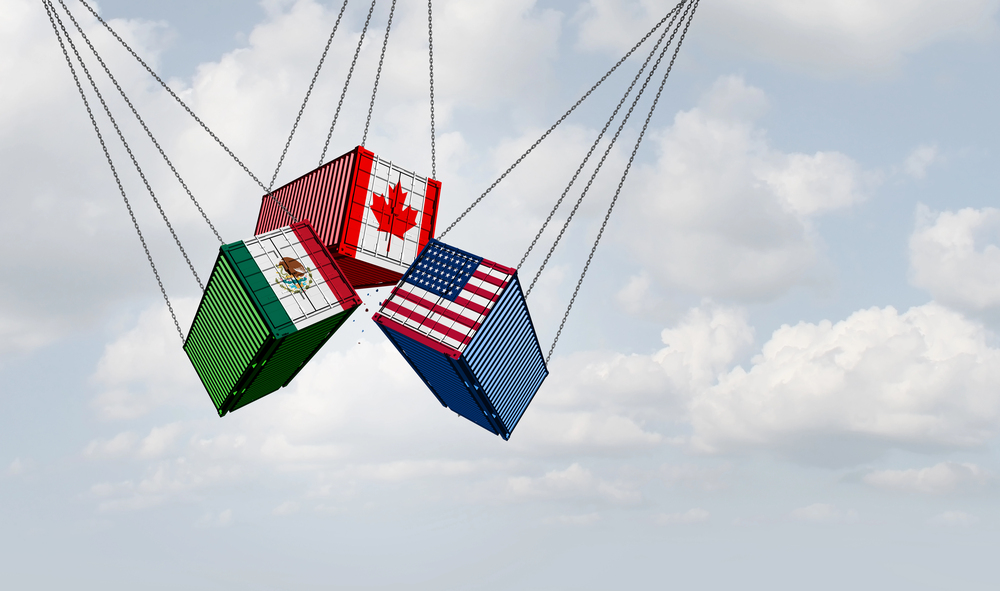
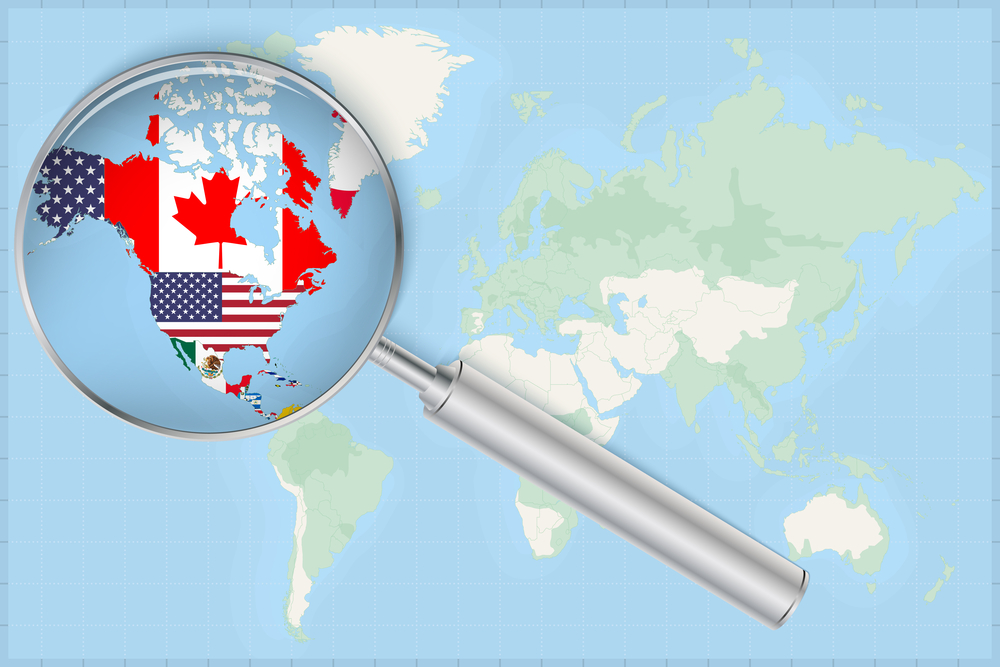
North American auto suppliers are being warned to brace for a drawn out and politically charged process as the United States-Mexico-Canada Agreement heads toward a formal review and possible renegotiation.
Speaking at the MEMA Aftermarket Suppliers Global Summit in Miami, Bill Frymoyer, vice president of government affairs at MEMA, walked attendees through a complex timeline that could shape the trade pact, and the sector, for years.
He said the best outcome for the industry would be an early political commitment by all three governments to keep USMCA in place as a trilateral agreement, preferably before Canada Day. He added that “everybody’s building up a head of steam on it before July 1,” including MEMA and other manufacturing coalitions.
Many in the business community would like to see a deal reached before that date, but Frymoyer tempered expectations, telling the room it “probably won’t happen.” He said a commitment to trilateral negotiations ahead of the deadline, even without a final package, would still be helpful.
Under the terms of the agreement, if one of the three countries triggers a review, a formal process starts that can involve annual negotiations and set meetings, he said.
Frymoyer told attendees that if the leaders do not agree at their 2026 gathering, “there’s a review that starts with yearly deadlines. So each year they need to undergo negotiations.”
That scenario could drag on for years, Frymoyer warned, creating uncertainty for companies that depend on predictable cross-border rules for investment and sourcing decisions. In that case, the current agreement would technically stay in force, but questions about “what happens next” would hang over the sector, he added.
Once a new deal is reached, USMCA would be extended for 16 years, Frymoyer explained. If no agreement is reached, the pact would expire in 2036, although he does not believe that outcome is likely.
He reminded the audience that the review clause itself was proposed by the United States and accepted by Canada, Mexico and the U.S. Congress at a time when few in Washington thought any president would actually want to pursue a full reopening of the agreement.
MEMA is working with other automotive and manufacturing groups to build pressure for a quick, trilateral extension and to counter ideas about replacing the pact with separate bilateral deals, Frymoyer noted.
Image credit: Depositphotos.com





Leave a Reply